La autoridad de Jesús cuestionada y confirmada
Este mes nos encontramos con la confrontación final de Jesús con los líderes religiosos de Israel. Estos comienzan cuestionando la autoridad de Jesús (21:23-27) y él les responde con tres parábolas: los dos hijos (21:28-32), los labradores malvados (21:33-46) y el banquete de bodas (22:1-14). En ellas, Jesús describe a la nación y su liderazgo como rebeldes que no han respondido al llamado de Dios. Los líderes, a su vez, le envían tres grupos con preguntas capciosas con la intención de hacerlo caer en su trampa, desprestigiarlo e incluso incriminarlo ante Roma: los fariseos (22:15-22), los saduceos (22:23-33) y un experto de la ley (22:34-40). Una vez que los ha callado, Jesús responde a la pregunta original y deja ver con claridad su autoridad divina (22:41-46).
September 18, 2026
|
19 min read
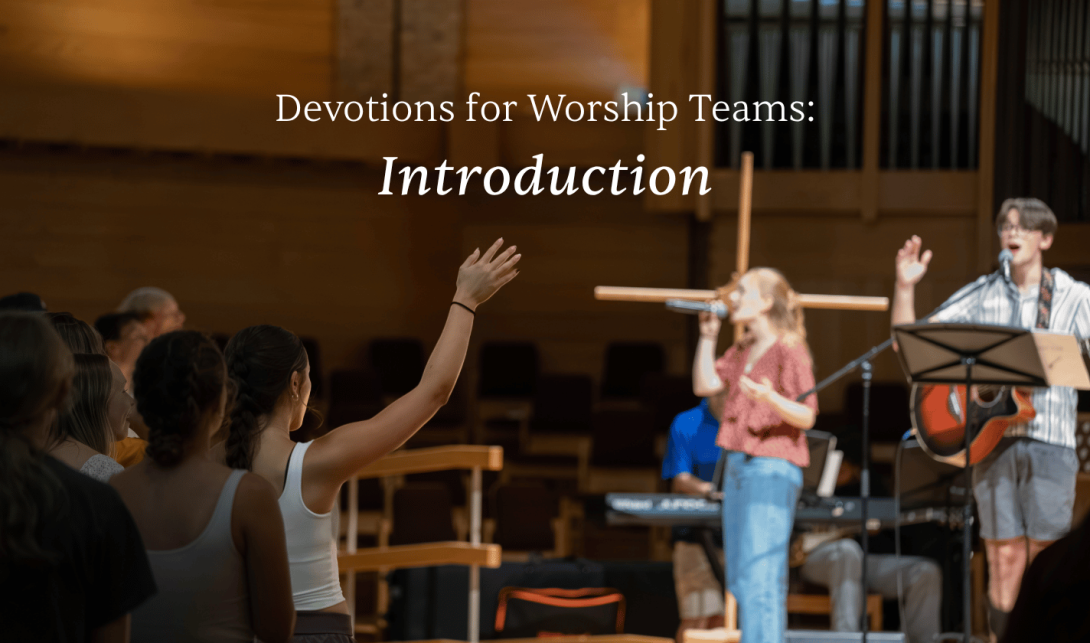
Devotions for Worship Teams: Introduction
This series of psalm-based devotions invites worship leaders, planners, and teams to slow down, listen deeply, and be formed by scripture’s most honest and expansive prayers. Created by staff from the Calvin Institute of Christian Worship and trusted collaborators, these reflections draw from the rich themes of the psalms—praise and creation, fear and doubt, suffering and salvation—to ground the work of worship in a living conversation with God. Together, they help teams not just plan services, but cultivate attentiveness, unity, and spiritual depth.
September 16, 2026
|
1 min read
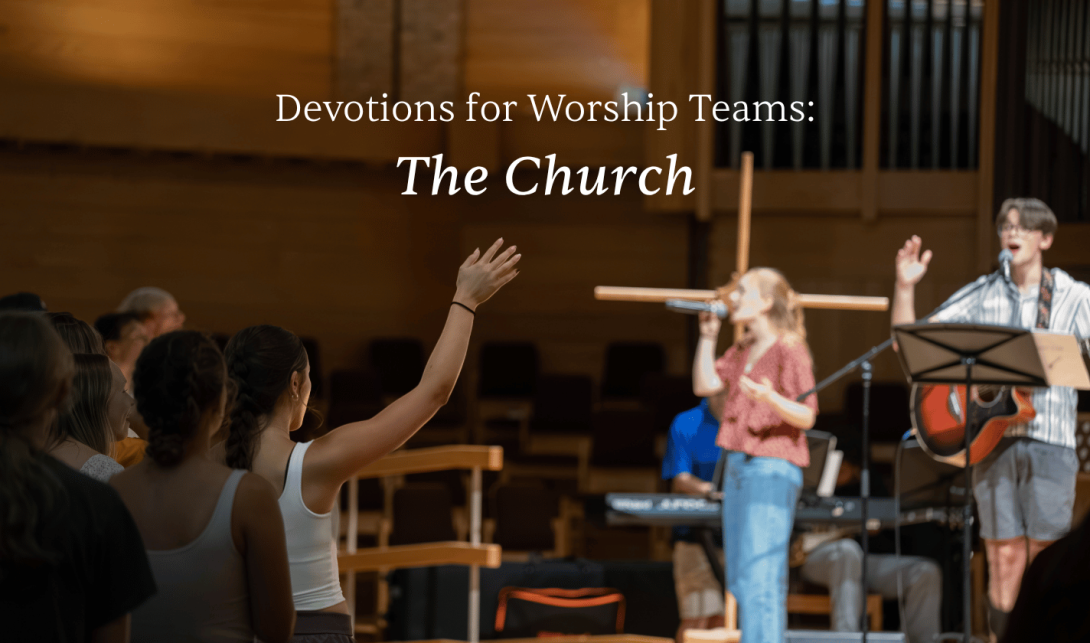
The Church: Psalm 122
In the Old Testament, the temple was a place of worship where God’s presence dwelled. Three times each year, the Israelites would make pilgrimages to Jerusalem to worship at the temple, singing a group of psalms called the Songs of Ascent as they traveled in anticipation of gathering to worship God. They helped the pilgrims share excitement for the journey, pray for God’s protection, and celebrate the unity of their faith.
September 16, 2026
|
2 min read
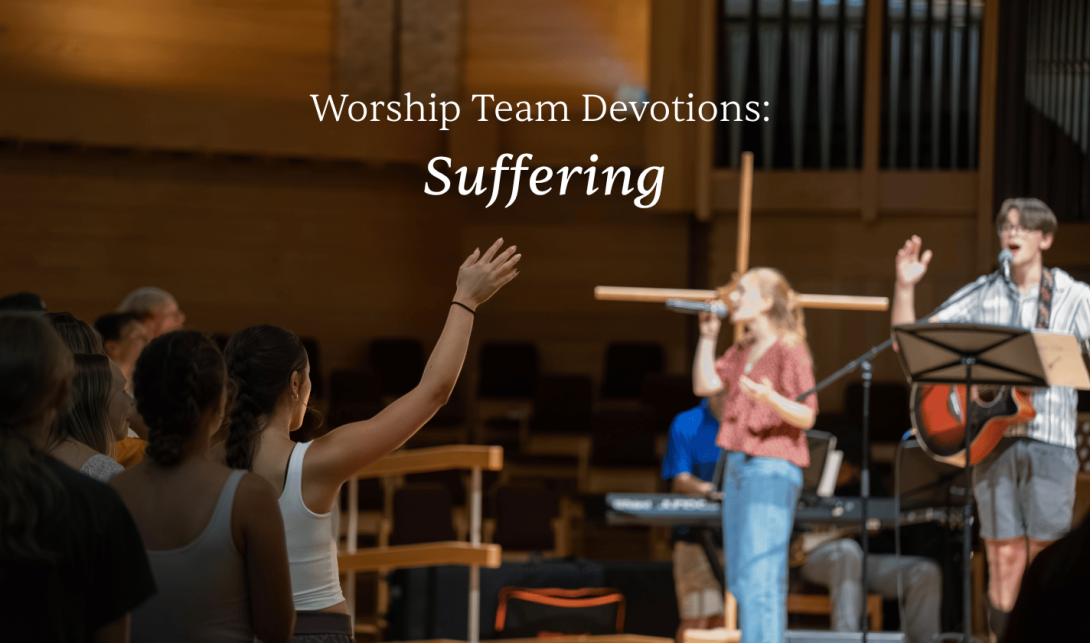
Suffering: Psalm 13
Suffering is something none of us can avoid. It can take many shapes: academic pressure, broken friendships, financial strain, family struggles, or even the quiet ache of feeling alone. In Psalm 13, David puts words to what many of us feel in seasons of suffering: “How long, Lord?” He is brutally honest about his pain, confusion, and sense of God’s silence.
September 16, 2026
|
2 min read
Inattention: Psalm 1
Those with interest in classical music know that it is not a stretch to say that Nadia Boulanger single-handedly shaped the course of classical music during the twentieth century. She was a composer, organist, conductor, and pianist, but most of all, she was a teacher. Everyone studied with Nadia Boulanger: Aaron Copland, George Gershwin, Leonard Bernstein, George Walker, Philip Glass, you name it.
September 16, 2026
|
2 min read
Advent: Come, Be Our Light
In Advent we anticipate the coming light of Christ, symbolized by using candles and contrasting light and darkness.
September 16, 2026
|
2 min read
Holy History: Psalm 106
All 150 of the psalms have in common their nature as poetry and songs. Yet from psalm to psalm there are distinct themes, including thanksgiving, praise, lament, and confession.
September 16, 2026
|
2 min read
Doubt: Psalm 73
Doubt can surface in big ways, and it’s something we believers don’t often like to admit. We often have questions about faith, injustice in the world, or why following God sometimes feels harder than ignoring God. In Psalm 73, Asaph is wrestling with doubt: “But as for me, my feet had almost slipped; I had nearly lost my foothold. For I envied the arrogant when I saw the prosperity of the wicked” (vv. 2–3, NIV).
September 16, 2026
|
2 min read
Life: Psalm 63
As worship leaders, we sometimes feel as if we should only focus on spiritual needs, such as praying for deeper faith, stronger character, and evangelistic opportunities. But God cares about our whole lives, not just our souls. Dietrich Bonhoeffer points out that the psalms are full of prayers for health, peace, and daily needs. That’s not selfish. It’s honest. It’s recognizing that God is with us in the everyday.
September 16, 2026
|
2 min read
Praise: Psalm 150
Think back to the last time you couldn’t help but praise something. Maybe it was a jaw-dropping catch in a baseball game, a teacher who made a tough topic click, or a sunset that stopped you in your tracks. You probably responded instinctively—with a cheer, a compliment, a text, a smile. Praise flows naturally when we encounter something good or beautiful.
September 16, 2026
|
2 min read
Salvation: Psalm 103
Salvation is one of those words so common among Christians that it can sometimes become trivialized. Being “saved” can sometimes become a label of what social group we belong to rather than a testimony of God’s gracious and powerful rescue of our souls. Retaining the full significance of the word salvation requires remembering the gravity of the situation we are in—the danger from which God rescues us.
September 16, 2026
|
4 min read
Fear: Psalm 23
Aging is something we typically associate with older folks in our lives. But in reality, we all are aging every single day. I first started to note this in my own life the summer before I started college. I felt a deep sense of loss entangled in this phenomenon called “growing up”—the loss of having dinner with my family every night, the loss of knowing what was going on in my siblings’ lives 24/7, the loss of watching movies together in the evenings. Looking back, it wasn’t so much the losses themselves that were painful to me. It was the fear of losses I knew were coming.
September 16, 2026
|
2 min read