Local Psalm Festivals
As part of the Dwelling in the Psalms year, the Calvin Institute of Christian Worship has provided resources to support Psalm festivals around Canada and the United States. These events are open to the public and many will be livestreamed.
October 1, 2026
|
4 min read
Dwelling in the Psalms
You are invited to join the Calvin Institute of Christian Worship (CICW) in a year of dwelling in the Psalms—the prayerbook and songbook of the Bible. Together, the 150 psalms guide Christian worshipers through the full range of human emotions and experiences, making space for communities to practice praise and lament, to ask questions and find words of comfort, and so much more. Our work at CICW over the years has connected us to many people engaging in thoughtful and imaginative work around the psalms. We are eager to build on those connections and encourage more new and ancient ways to dwell in the psalms.
September 29, 2026
|
3 min read
The Church: Psalm 122
In the Old Testament, the temple was a place of worship where God’s presence dwelled. Three times each year, the Israelites would make pilgrimages to Jerusalem to worship at the temple, singing a group of psalms called the Songs of Ascent as they traveled in anticipation of gathering to worship God. They helped the pilgrims share excitement for the journey, pray for God’s protection, and celebrate the unity of their faith.
September 16, 2026
|
2 min read
Suffering: Psalm 13
Suffering is something none of us can avoid. It can take many shapes: academic pressure, broken friendships, financial strain, family struggles, or even the quiet ache of feeling alone. In Psalm 13, David puts words to what many of us feel in seasons of suffering: “How long, Lord?” He is brutally honest about his pain, confusion, and sense of God’s silence.
September 16, 2026
|
2 min read
Advent: Come, Be Our Light
In Advent we anticipate the coming light of Christ, symbolized by using candles and contrasting light and darkness.
September 16, 2026
|
2 min read
Holy History: Psalm 106
All 150 of the psalms have in common their nature as poetry and songs. Yet from psalm to psalm there are distinct themes, including thanksgiving, praise, lament, and confession.
September 16, 2026
|
2 min read
Doubt: Psalm 73
Doubt can surface in big ways, and it’s something we believers don’t often like to admit. We often have questions about faith, injustice in the world, or why following God sometimes feels harder than ignoring God. In Psalm 73, Asaph is wrestling with doubt: “But as for me, my feet had almost slipped; I had nearly lost my foothold. For I envied the arrogant when I saw the prosperity of the wicked” (vv. 2–3, NIV).
September 16, 2026
|
2 min read
Praise: Psalm 150
Think back to the last time you couldn’t help but praise something. Maybe it was a jaw-dropping catch in a baseball game, a teacher who made a tough topic click, or a sunset that stopped you in your tracks. You probably responded instinctively—with a cheer, a compliment, a text, a smile. Praise flows naturally when we encounter something good or beautiful.
September 16, 2026
|
2 min read
Salvation: Psalm 103
Salvation is one of those words so common among Christians that it can sometimes become trivialized. Being “saved” can sometimes become a label of what social group we belong to rather than a testimony of God’s gracious and powerful rescue of our souls. Retaining the full significance of the word salvation requires remembering the gravity of the situation we are in—the danger from which God rescues us.
September 16, 2026
|
4 min read
Devotions for Worship Teams: Introduction
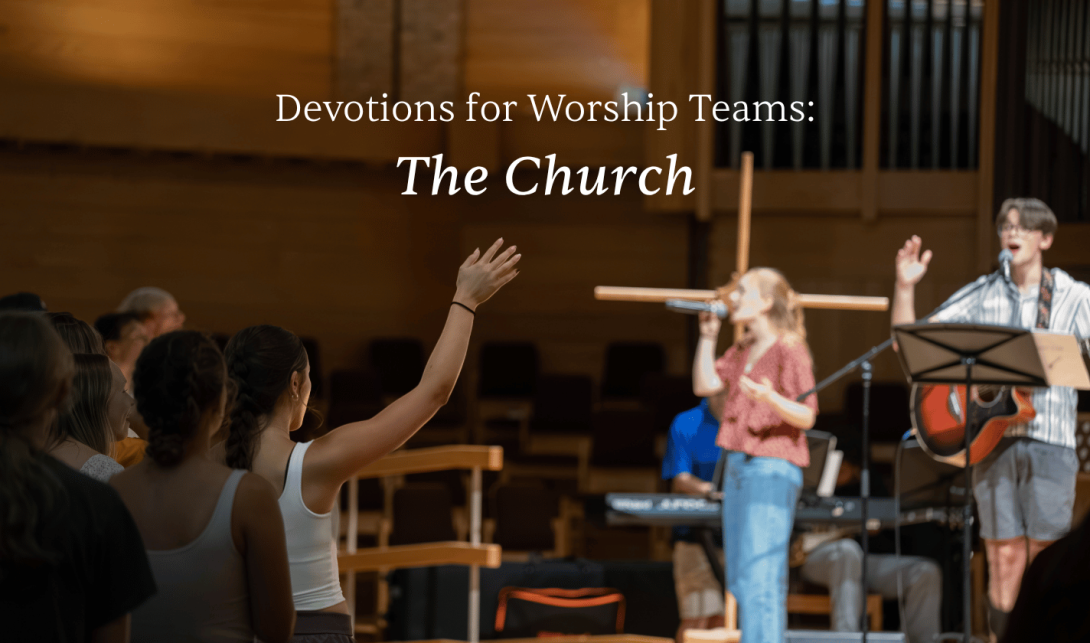
This series of psalm-based devotions invites worship leaders, planners, and teams to slow down, listen deeply, and be formed by scripture’s most honest and expansive prayers. Created by staff from the Calvin Institute of Christian Worship and trusted collaborators, these reflections draw from the rich themes of the psalms—praise and creation, fear and doubt, suffering and salvation—to ground the work of worship in a living conversation with God. Together, they help teams not just plan services, but cultivate attentiveness, unity, and spiritual depth.
September 16, 2026
|
1 min read
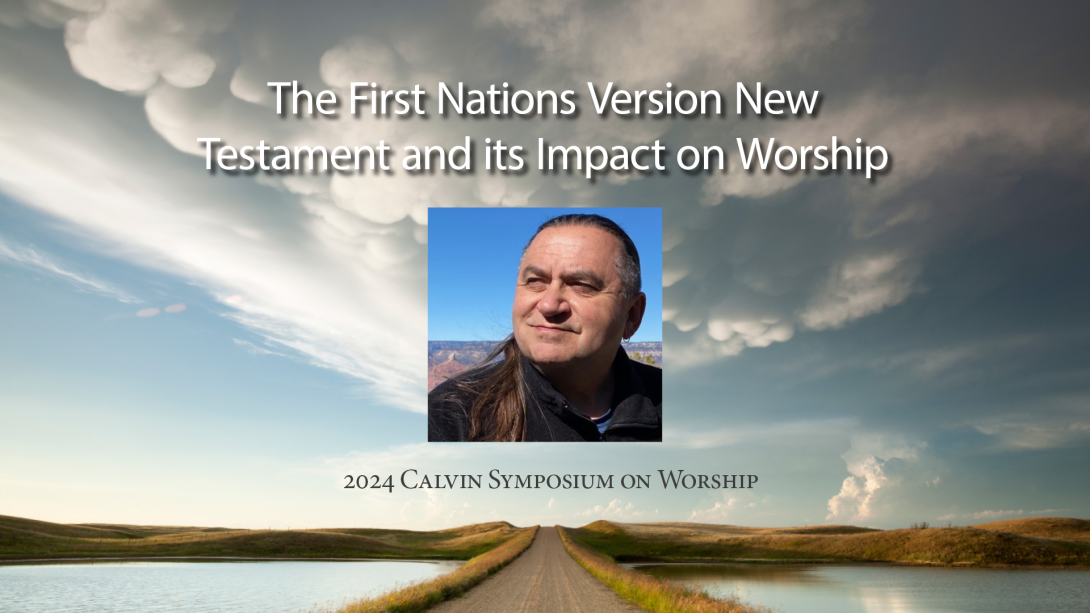
The First Nations Version New Testament and its Impact on Worship
In this session Terry Wildman will share the vision, process, and outcomes of the First Nations Version (FNV) New Testament. Why was this translation needed? Who was involved in the translation? What were some of the cultural challenges faced by the translation council? What does it say about the translations done in Native languages in the past? How did the translation council decide on more than 185 key words and terms? What are some of the unique qualities of the FNV versus other English versions? How has the FNV affected the worship expressions of some Native believers? What is the future of the FNV?
September 14, 2026
|
73 min video
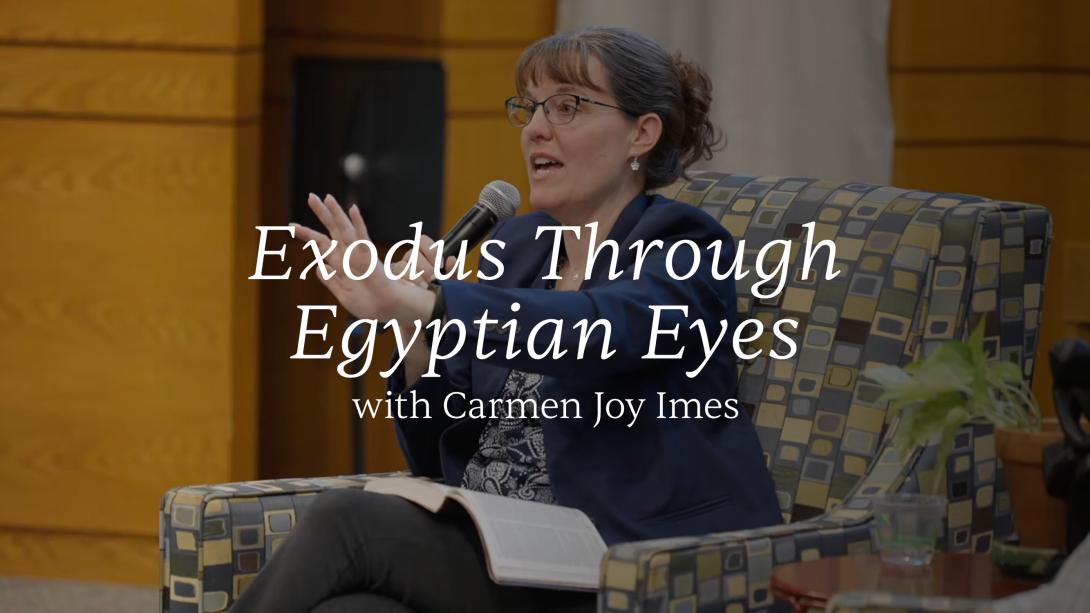
Exodus Through Egyptian Eyes
Carmen Imes has spent the past fifteen years immersed in the book of Exodus, writing about it for both her master’s thesis and her doctoral dissertation. In this lecture, Imes will share some of the most paradigm-shifting insights she’s had while reading Exodus through an Egyptian lens.
August 10, 2026
|
82 min video