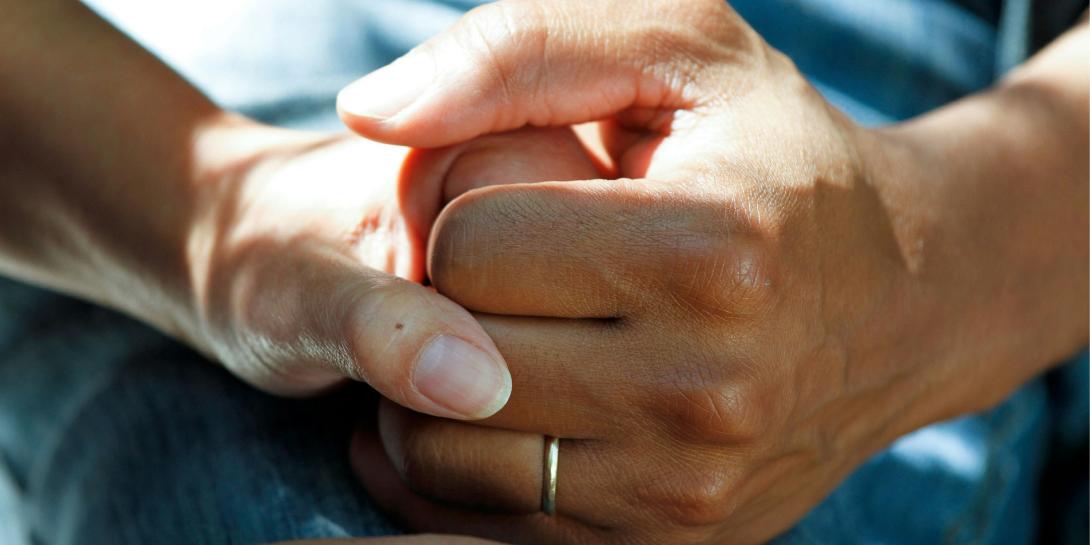
Eight Simple Reminders for Trauma-Informed Worship
Reflections from a clinical psychologist who cares about the church.
October 14, 2026
|
6 min read
Rebecca Snippe on Zeteosearch.org
Preachers, worship leaders, teachers, and others who study the Bible often go online to find resources for their research. Sorting through search results is often frustrating. But Zeteosearch.org—a revamped curated search engine—offers thought-provoking results.
October 1, 2026
|
3 min read
Creation in Christ Sunday: A Worship Resource
Creation is struggling, and we are suffering with it! People around the world are reeling from natural disasters such as earthquakes, wildfires, drought, floods, tornadoes, and typhoons.
October 1, 2026
|
5 min read
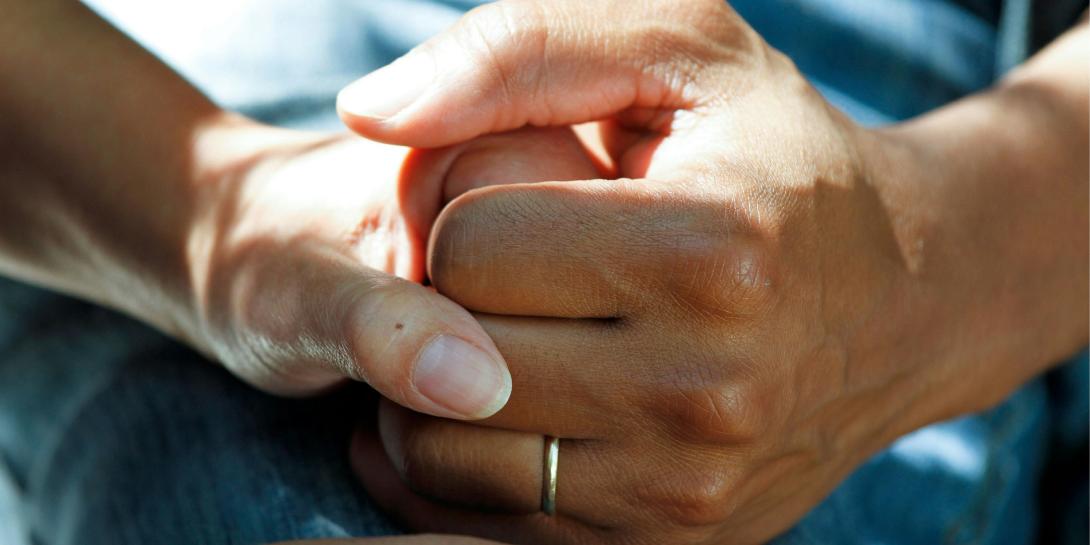
Trauma-Informed Worship: A Priestly Act
Every person who enters Christian worship brings more than a body into the room. We bring our histories, relationships, memories, fears, wounds, hopes, and expectations. For some worshipers, those histories include trauma.
September 21, 2026
|
17 min read
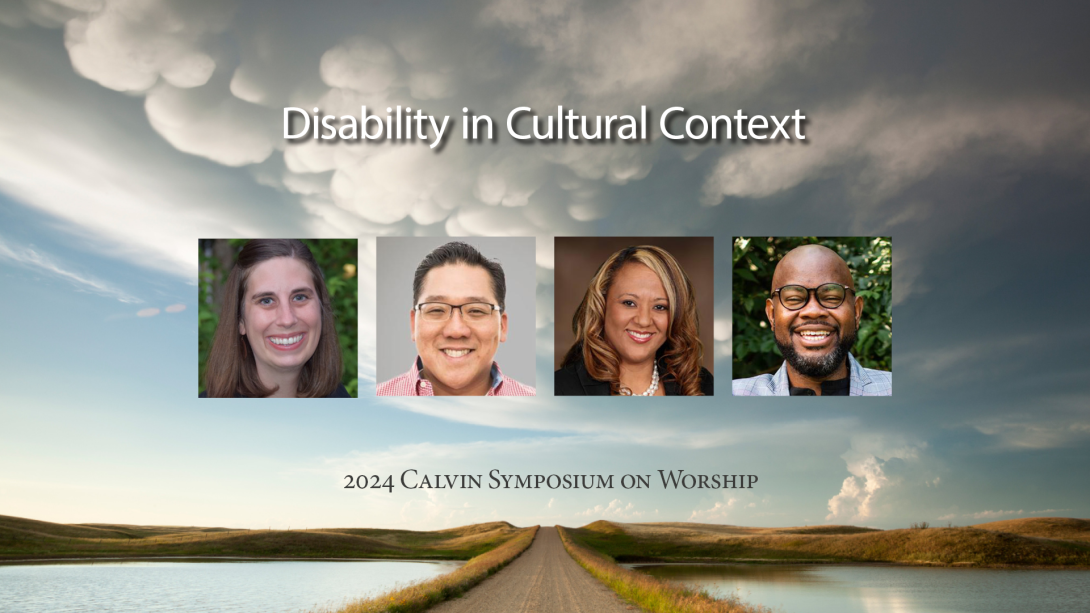
Disability in Cultural Context
This panel will explore the intersectionality between culture and disability. What can we learn from the experiences of people across varying cultures and contexts? What do experiences of racism and ableism in the church have in common? How do they overlap? How does belonging for people with disabilities look different in a variety of cultural contexts?
September 14, 2026
|
75 min video
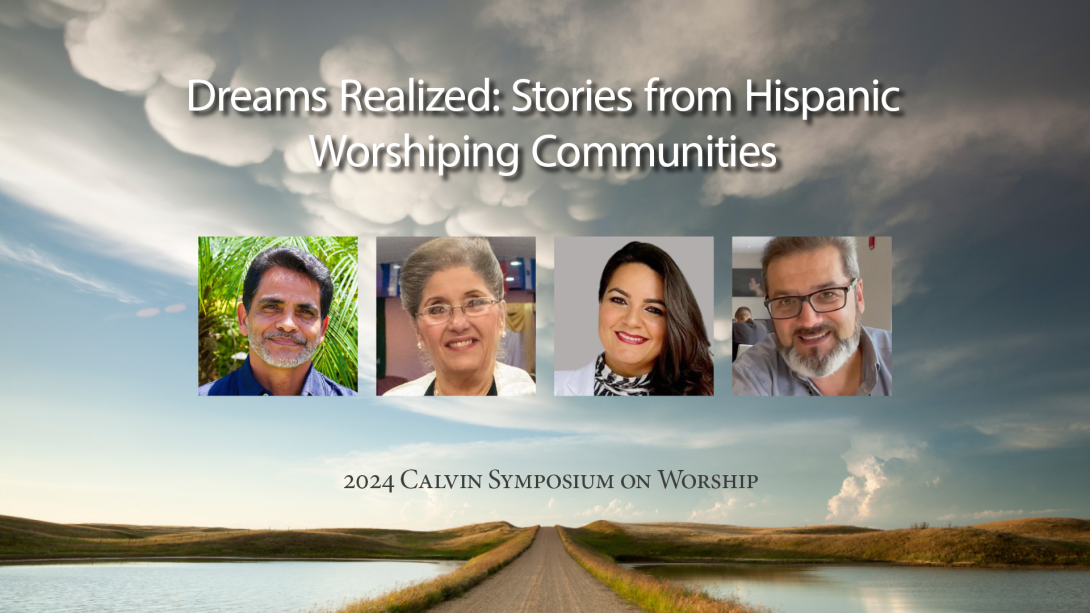
Dreams Realized: Stories from Hispanic Worshiping Communities
In this panel, Hispanic pastors share the learnings and experiences lived by their congregations after completing projects related to the development of their understanding and practices about worship. Together, they represent a variety of Hispanic denominations as well as of "dreams" they were able to realize (learning about the Creeds, bilingual worship, multigenerational worship, worship in non-traditional settings). Their congregations were part of the first cohort of Hispanic congregations receiving "worship grants" under a new initiative CICW launched in July of 2022.
September 14, 2026
|
67 min video
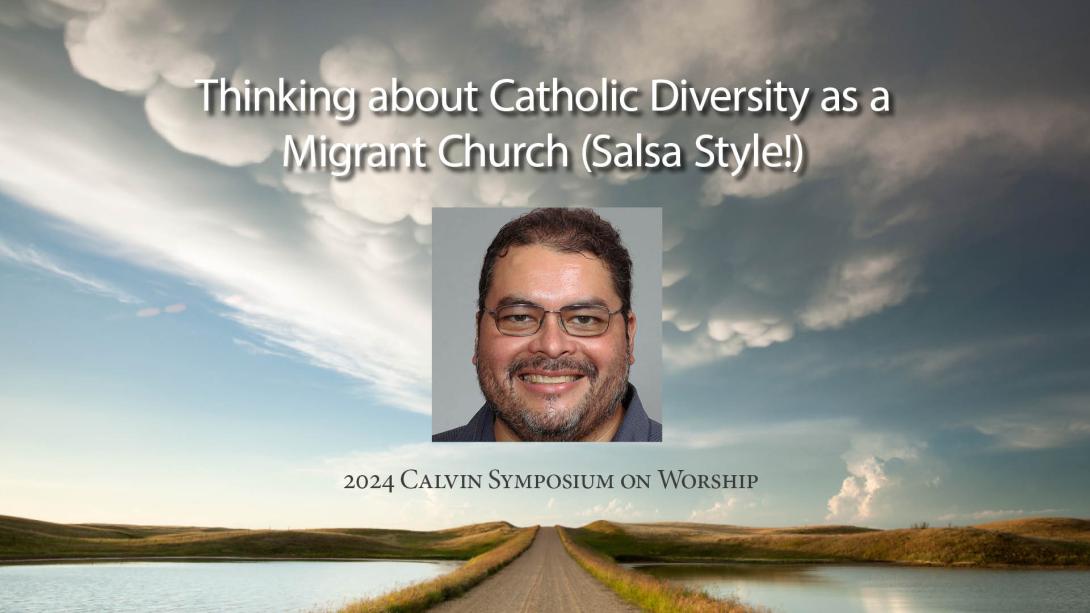
Thinking about Catholic Diversity as a Migrant Church (Salsa Style!)
How does one think about diversity as a Christian or as the church? How might working with and among—or even just thinking about—migrant neighbors contribute to our ecclesial identity? The language of catholicity allows us to imagine the unity of the church not in a monocultural way, but rather as a community inclusive of people of all languages and ethnicities. Migration and migrants today especially remind the church of its own catholic identity. How does the church's identity as a migrant church foster a healthy catholicity in the church's worship? This session will include the use of salsa music to invite participation in a more catholic way of life, asking what multicultural, cross cultural, and intercultural ways of being a church on the move might look like in worship.
September 14, 2026
|
79 min video
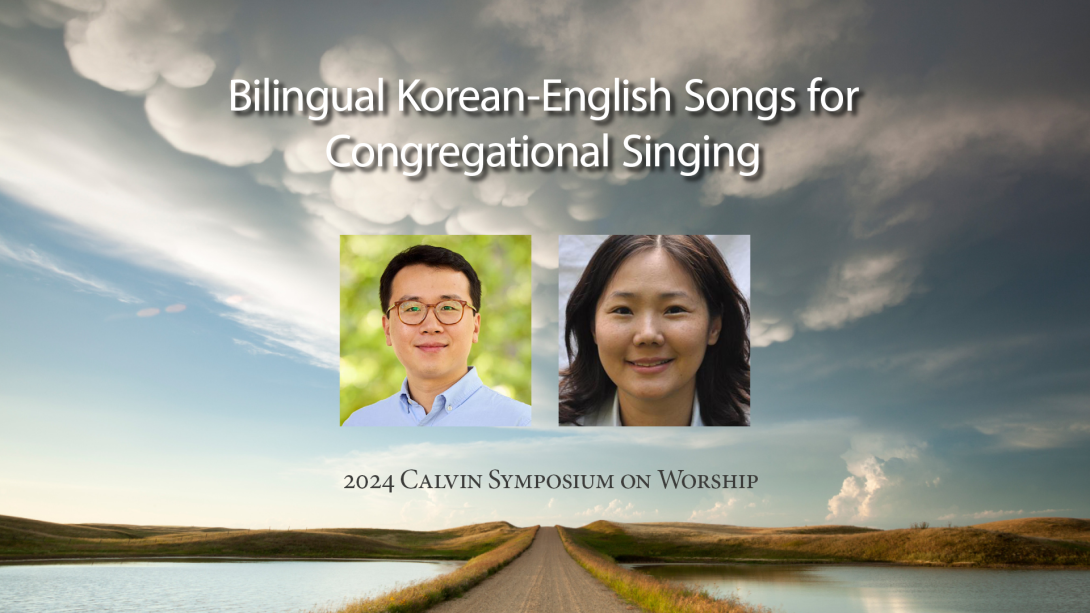
Bilingual Korean-English Songs for Congregational Singing
Songs from the people of Korea can deeply enrich your liturgy whether you have Korean-speaking members in your congregation or not. This workshop will introduce a variety of bilingual Korean-English songs that have been newly translated in the past few years as well as strategies to lead them effectively in your own worshiping context.
September 14, 2026
|
70 min video
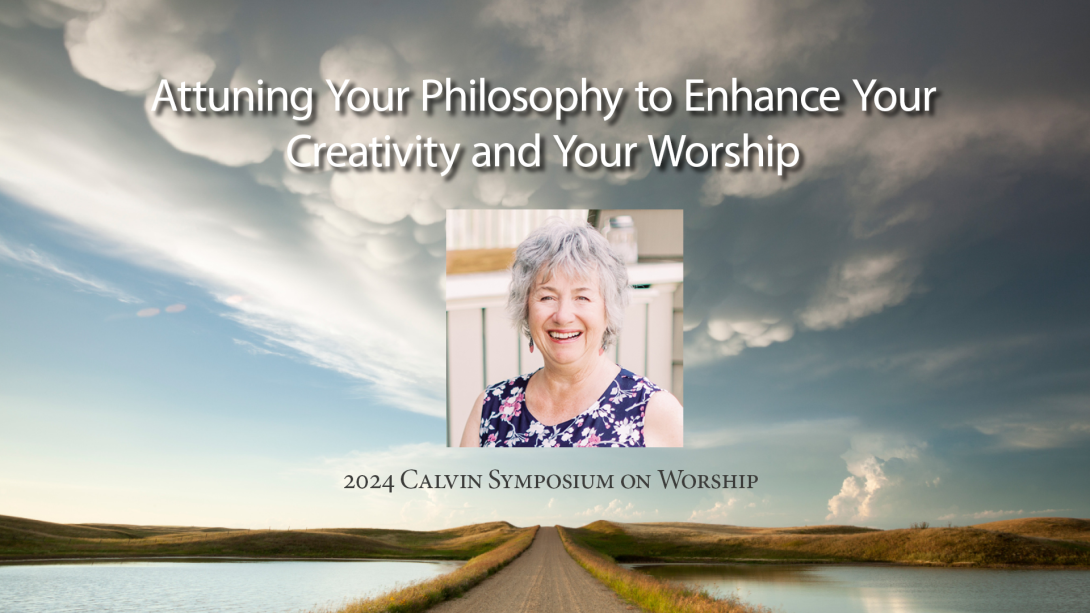
Attuning Your Philosophy to Enhance Your Creativity and Your Worship
As inhabitants of the modern age, we are deeply marked by skewed ways of thinking that thwart our humanness, our involvement with the world, and our spirituality. This is a philosophical tune-up that directly challenges and dispels modernity’s implicit philosophy. My philosophical proposals in my 2023 book Doorway to Artistry target the creative process, but they positively affect and bring healing to all arenas of life and work and worship. I pose that we as human persons are meant to live out a joyous “yes” to the real, and our involvement with the real takes the form of intimate encounter and communion. My approach reflects especially on God’s creative act and God’s created things. It taps epiphany, the redemptive encounter, and the Eucharist as paradigms for our knowing, our artistry, and all our everyday involvement with the world, so it should make us better at our stewardly dominion and voicing creation’s praise in worship.
September 14, 2026
|
77 min video
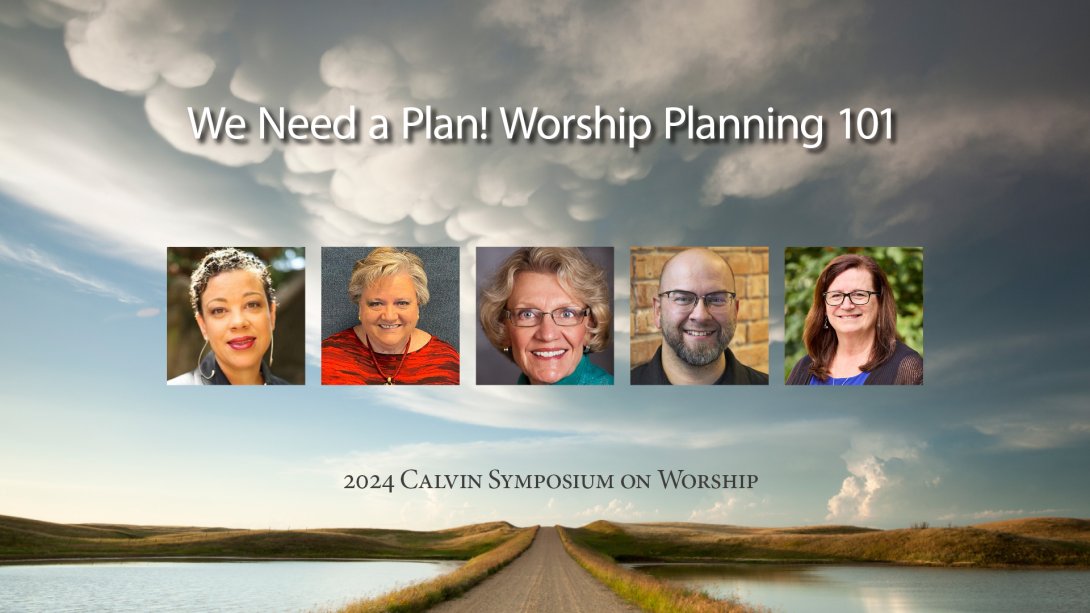
We Need a Plan! Worship Planning 101
What basic models for worship planning are out there, and which patterns will work best in your context? Join a lively discussion of several worship planning models by the authors and pastors who use them. Bring your questions and suggestions as we learn together.
September 14, 2026
|
76 min video
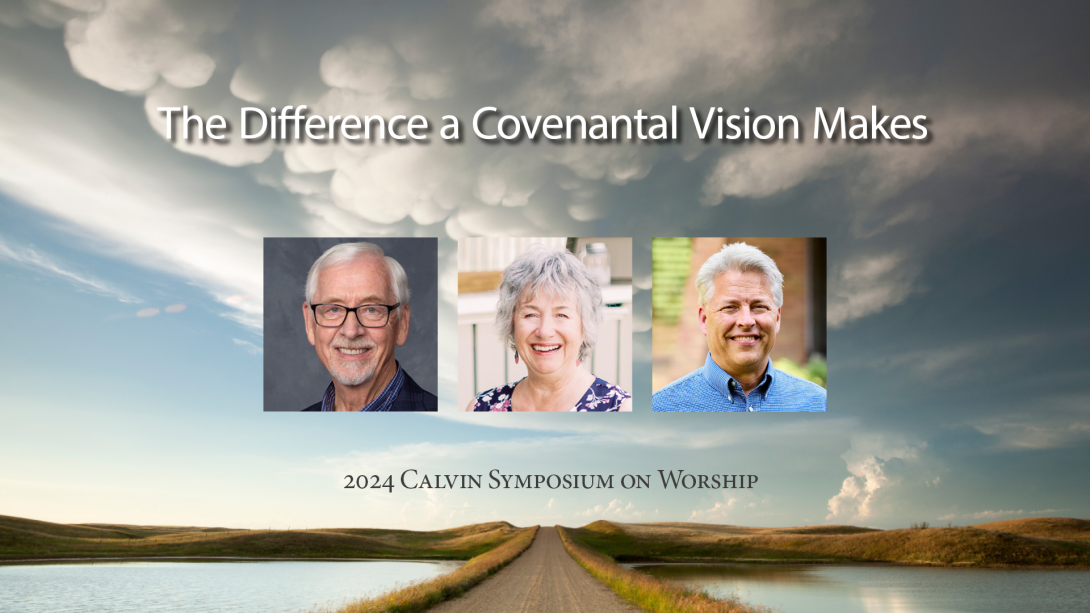
The Difference a Covenantal Vision Makes
Explore the compelling beauty of the Bible's covenantal vision of the divine-human relationship and the transformative difference this makes for how we worship the triune God. This session will feature insights from the authors of two influential books: Esther Lightcap Meek's Loving to Know: A Covenantal Epistemology and Daniel Block's Covenant: The Framework of God's Grand Plan of Redemption.
September 14, 2026
|
77 min video
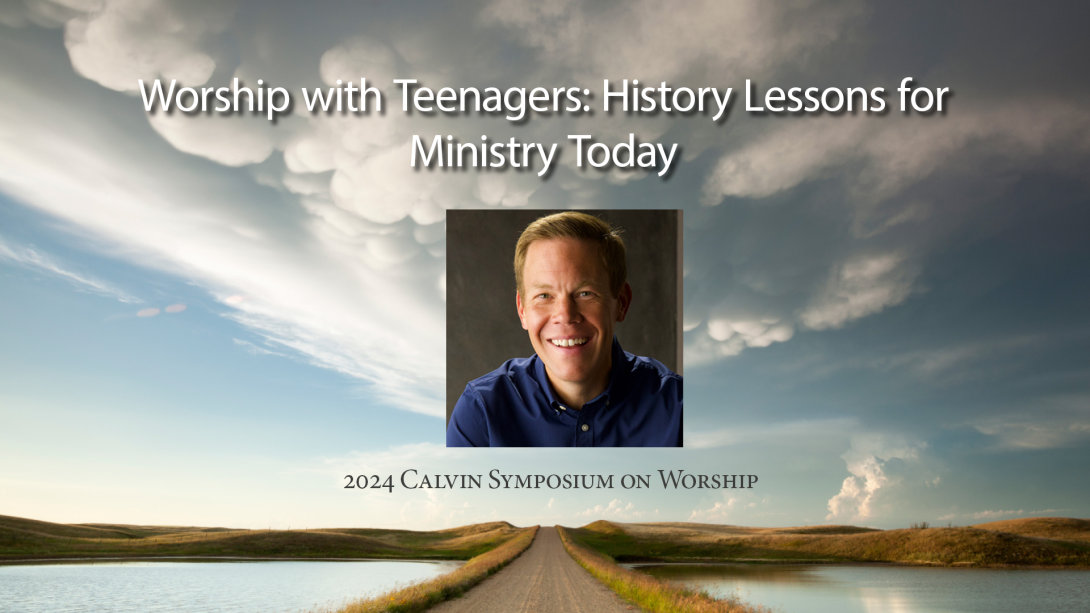
Worship with Teenagers: History Lessons for Ministry Today
Teenagers’ desire to encounter God has been realized throughout history as youth ministry has grown and evolved. Indeed, teenagers have expressed needs and desires to practice and grow their faith at church, school, and home as well as at camps and conferences or on short- and long-term mission trips. On the one hand, these worship efforts have been deeply formative. On the other hand, these worship efforts have focused on attracting and keeping teenagers as much as, if not more than, on spiritual formation. This session will identify key historical patterns in adolescent worship and examine how we might engage their wisdom for faithful worship practices with teenagers today.
September 14, 2026
|
77 min video