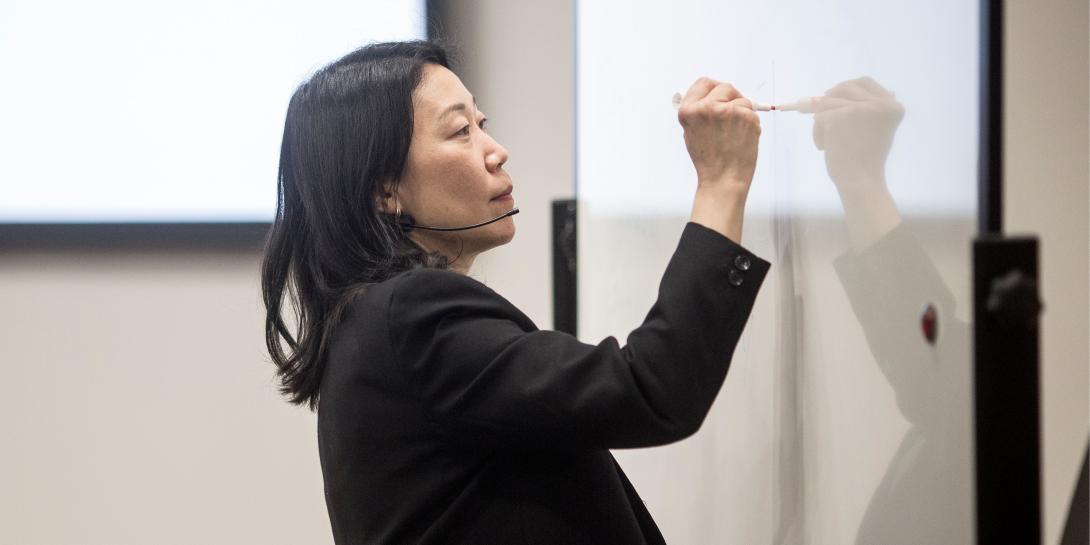
Monica Schaap Pierce on Appreciating Other Christian Traditions
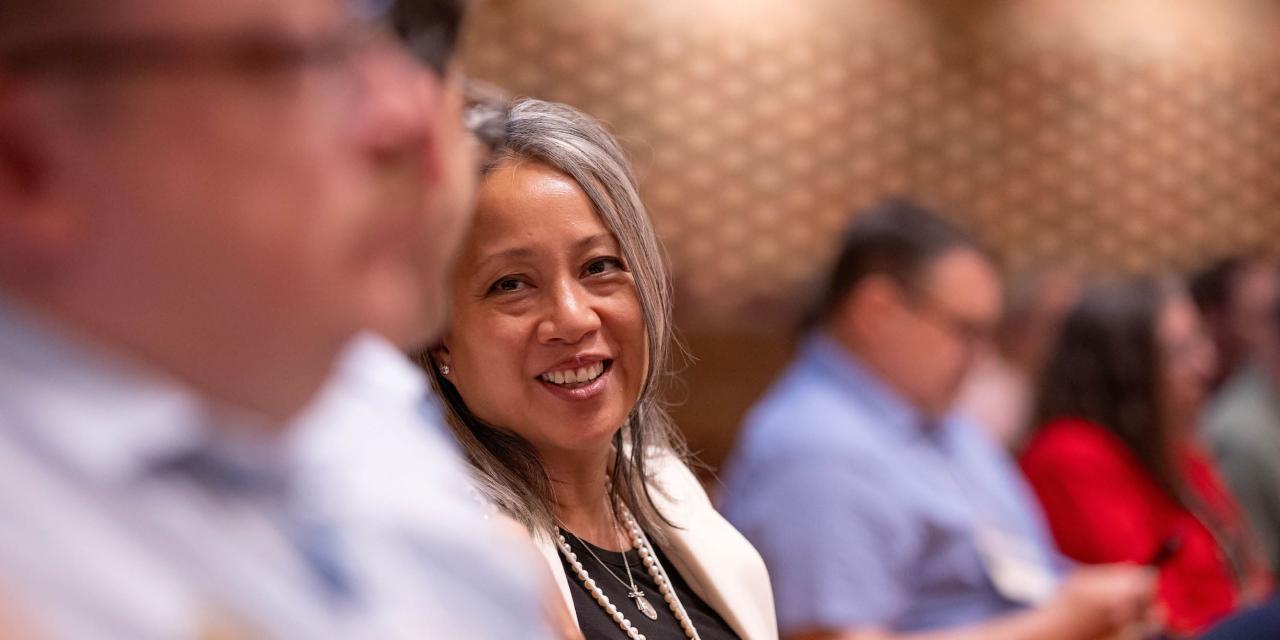
The Holy Spirit has gifted different Christian traditions with unique songs, rituals, stories, and practices. Monica Schaap Pierce, executive director of Christian Churches Together, explains how to learn from and welcome gifts from other church families. You can use these ideas at church and at home.
October 1, 2026
|
7 min read
Monica Schaap Pierce on Christian Churches Together
When congregations cooperate, it’s often with other churches in their own family of faith. But building relationships with churches and Christians who are very different can open us to how God has gifted them. Christian Churches Together helps Christians learn from each other and build relationships so they can witness to the unity Jesus prayed for.
October 1, 2026
|
6 min read
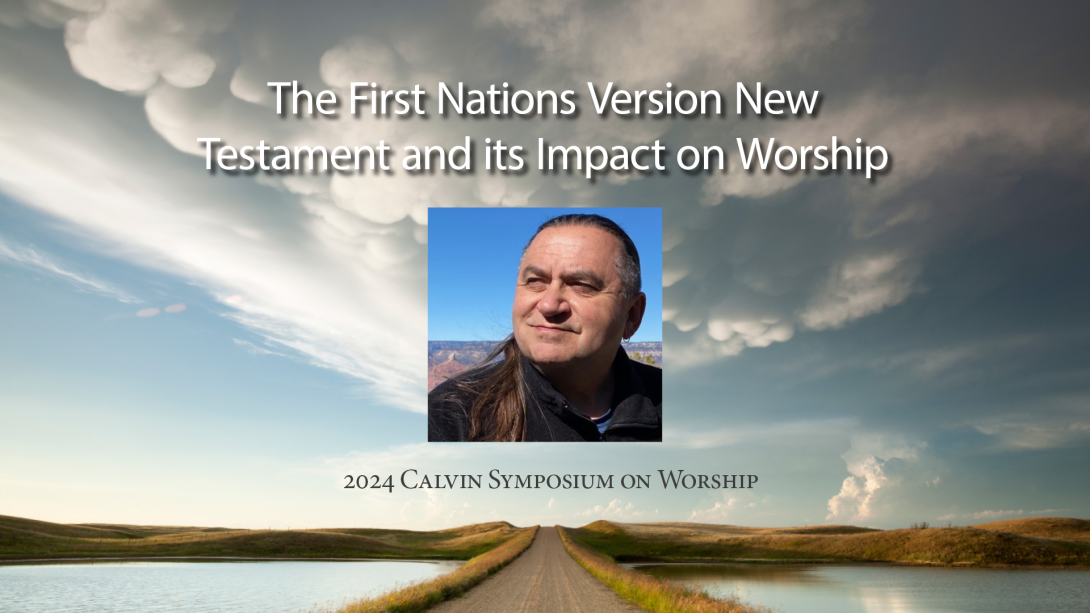
The First Nations Version New Testament and its Impact on Worship
In this session Terry Wildman will share the vision, process, and outcomes of the First Nations Version (FNV) New Testament. Why was this translation needed? Who was involved in the translation? What were some of the cultural challenges faced by the translation council? What does it say about the translations done in Native languages in the past? How did the translation council decide on more than 185 key words and terms? What are some of the unique qualities of the FNV versus other English versions? How has the FNV affected the worship expressions of some Native believers? What is the future of the FNV?
September 14, 2026
|
73 min video
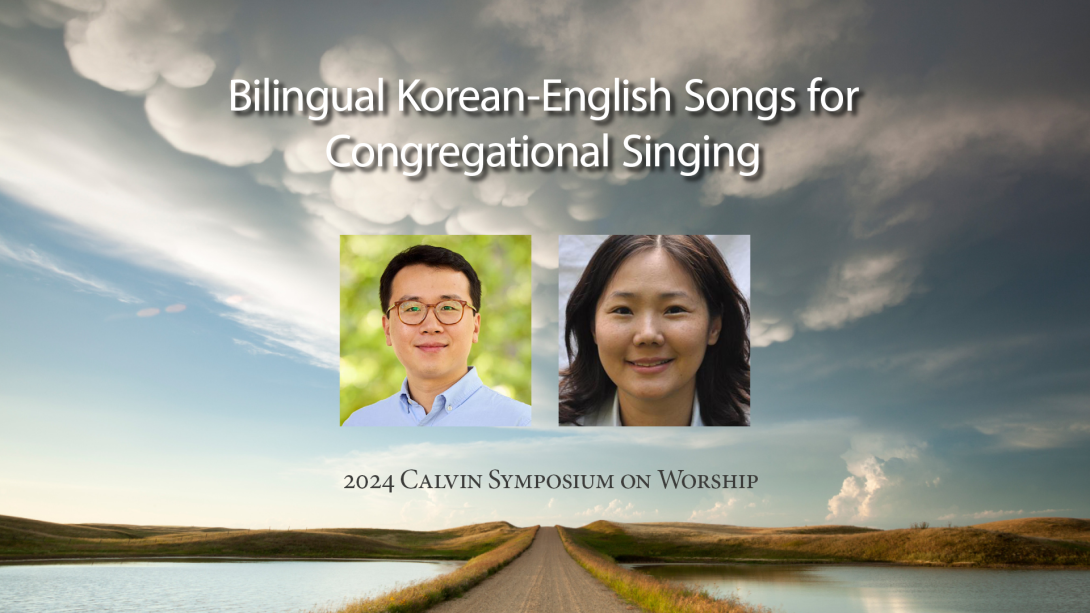
Bilingual Korean-English Songs for Congregational Singing
Songs from the people of Korea can deeply enrich your liturgy whether you have Korean-speaking members in your congregation or not. This workshop will introduce a variety of bilingual Korean-English songs that have been newly translated in the past few years as well as strategies to lead them effectively in your own worshiping context.
September 14, 2026
|
70 min video
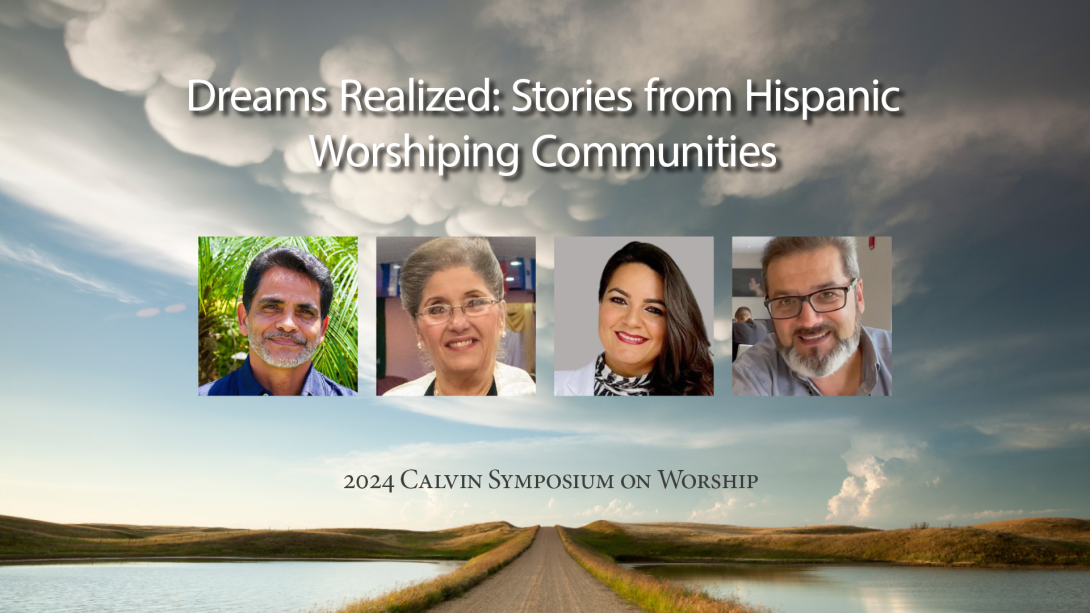
Dreams Realized: Stories from Hispanic Worshiping Communities
In this panel, Hispanic pastors share the learnings and experiences lived by their congregations after completing projects related to the development of their understanding and practices about worship. Together, they represent a variety of Hispanic denominations as well as of "dreams" they were able to realize (learning about the Creeds, bilingual worship, multigenerational worship, worship in non-traditional settings). Their congregations were part of the first cohort of Hispanic congregations receiving "worship grants" under a new initiative CICW launched in July of 2022.
September 14, 2026
|
67 min video
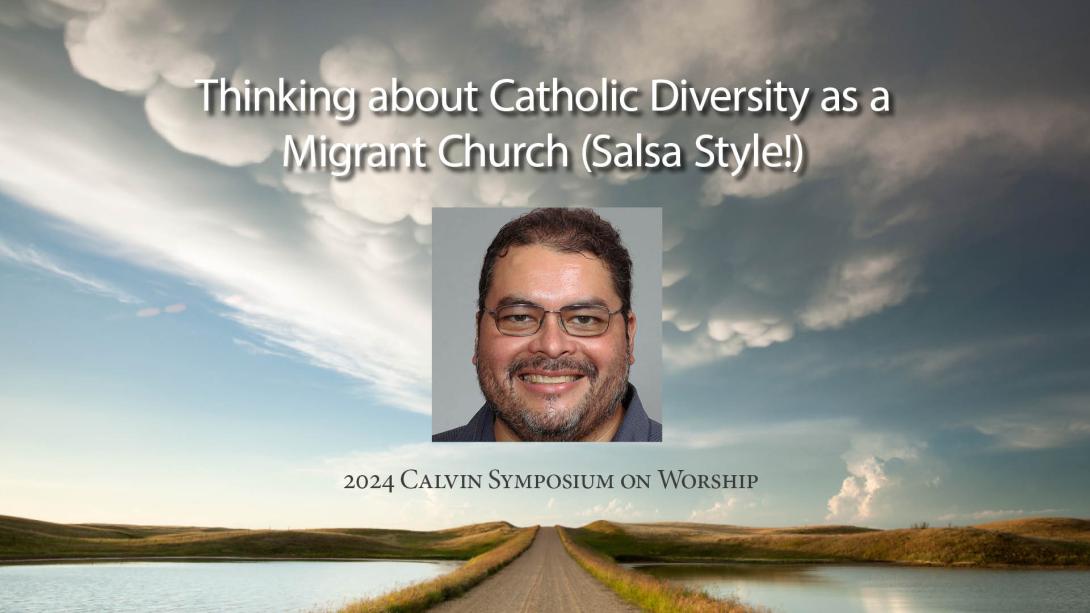
Thinking about Catholic Diversity as a Migrant Church (Salsa Style!)
How does one think about diversity as a Christian or as the church? How might working with and among—or even just thinking about—migrant neighbors contribute to our ecclesial identity? The language of catholicity allows us to imagine the unity of the church not in a monocultural way, but rather as a community inclusive of people of all languages and ethnicities. Migration and migrants today especially remind the church of its own catholic identity. How does the church's identity as a migrant church foster a healthy catholicity in the church's worship? This session will include the use of salsa music to invite participation in a more catholic way of life, asking what multicultural, cross cultural, and intercultural ways of being a church on the move might look like in worship.
September 14, 2026
|
79 min video
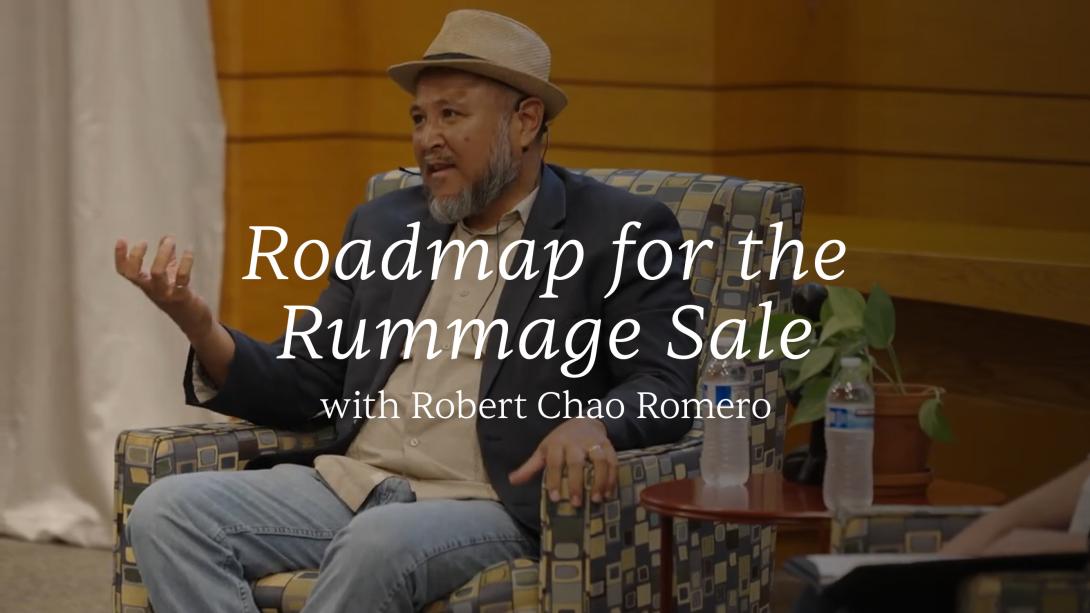
Roadmap for the Rummage Sale: Latina/o Theology for Deconstruction and Reconstruction of Faith
“Deconstruction” is a popular term among young people who grew up in the Christian church. In this public lecture, Robert Chao Romero will consider the challenge of widespread deconstruction while offering a hopeful path forward. Expanding on Phyllis Tickle’s analogy of the church having a rummage sale of ideas every few centuries, Romero invites us to consider the contributions of Latina/o theology and the history of the Brown Church as valuable resources for reconstruction on the other side of deconstruction.
August 10, 2026
|
80 min video
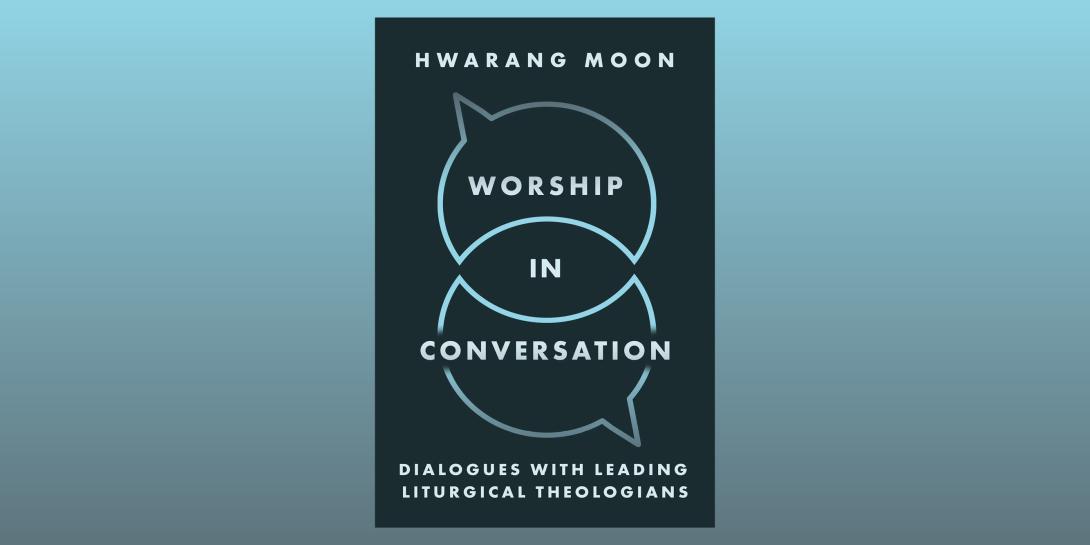
Hwarang Moon on Worship in Conversation: Learning from the Church’s Diverse Worship Traditions
Hwarang Moon’s recent book Worship in Conversation: Dialogues with Leading Liturgical Theologians (Baylor University Press, 2025) is the culmination of years of engagement with some of the most influential voices in contemporary liturgical studies. Through conversations with scholars from Anglican, Reformed, Lutheran, Methodist, Catholic, Orthodox, and other Christian traditions, Moon explores how worship shapes Christian faith, forms ecclesial identity, and enriches the life of the church.In this interview, Moon reflects on the origins of the project, what he learned from engaging theologians across Christian traditions, and why listening across traditions remains an essential task for the church today.
July 15, 2026
|
8 min read
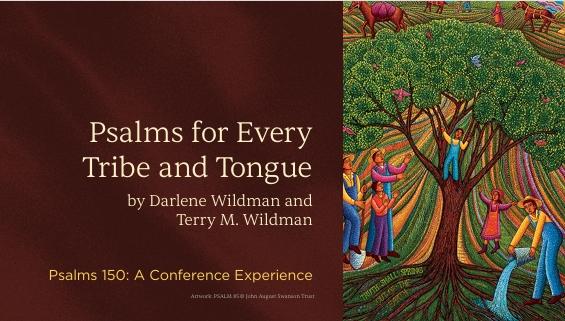
Psalms for Every Tribe and Tongue
Drawing inspiration from Revelation 7:9, Terry and Darlene Wildman will lead this workshop exploring how the First Nations Version: Psalms speaks into—and flows out from—the hearts of Indigenous North American cultures today through storytelling, songs, and interactive activities. Participants will experience how these ancient prayers continue to inspire worship that celebrates cultural diversity and unity in Creator’s Sacred Family.
June 4, 2026
|
79 min video
Lamenting in Polarized Times
Eight churches in Birmingham, Alabama, took part in a worship renewal grant on using lament in worship. Three years later, leaders from some of those churches talked about how hard it is to practice lament during divided times. Their advice may help your church bring real suffering to God with honesty, protest, petition, and trust.
May 12, 2026
|
8 min read
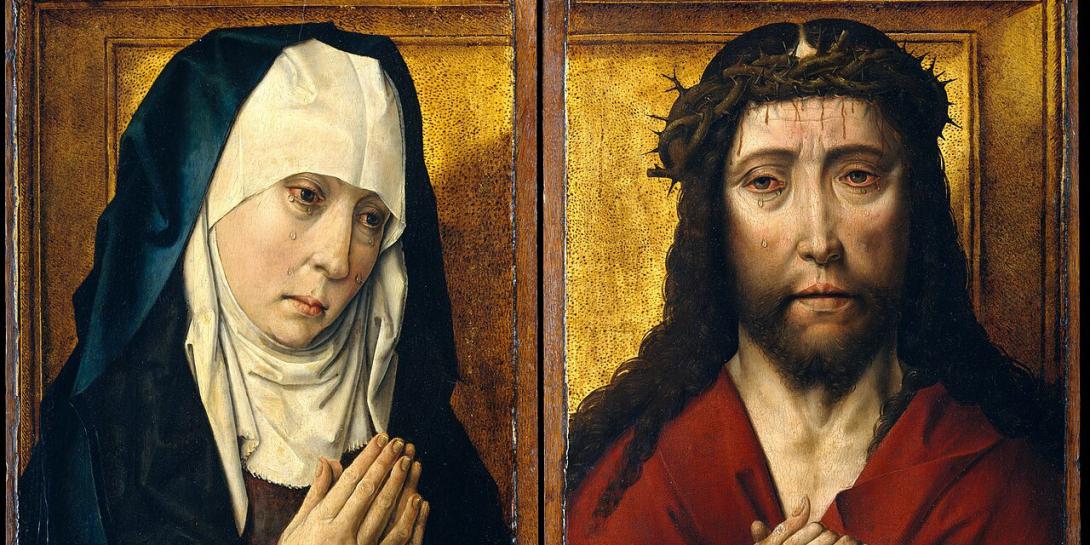
HyeRan Kim-Cragg and Mona Tokarek LaFosse on Trauma-Informed Worship
Christians often talk about being one body in Christ, but migrants often struggle to feel that oneness in the Spirit. Some international doctoral students, all migrants to Canada, created liturgies that help recognize and heal trauma.
March 31, 2026
|
8 min read
Janette H. Ok on Giving and Receiving Sermon Feedback
Whether you’re an average worshiper or a seasoned pastor, you’ve probably wondered, “Why is the preacher saying this or doing that?” But would you ever dare ask the preacher? Creating a culture of giving and receiving sermon feedback benefits both preachers and congregations.
March 12, 2026
|
8 min read