Rebecca Snippe on Zeteosearch.org
Preachers, worship leaders, teachers, and others who study the Bible often go online to find resources for their research. Sorting through search results is often frustrating. But Zeteosearch.org—a revamped curated search engine—offers thought-provoking results.
October 1, 2026
|
3 min read
The First Nations Version New Testament and its Impact on Worship
In this session Terry Wildman will share the vision, process, and outcomes of the First Nations Version (FNV) New Testament. Why was this translation needed? Who was involved in the translation? What were some of the cultural challenges faced by the translation council? What does it say about the translations done in Native languages in the past? How did the translation council decide on more than 185 key words and terms? What are some of the unique qualities of the FNV versus other English versions? How has the FNV affected the worship expressions of some Native believers? What is the future of the FNV?
September 14, 2026
|
73 min video
Worship with Teenagers: History Lessons for Ministry Today
Teenagers’ desire to encounter God has been realized throughout history as youth ministry has grown and evolved. Indeed, teenagers have expressed needs and desires to practice and grow their faith at church, school, and home as well as at camps and conferences or on short- and long-term mission trips. On the one hand, these worship efforts have been deeply formative. On the other hand, these worship efforts have focused on attracting and keeping teenagers as much as, if not more than, on spiritual formation. This session will identify key historical patterns in adolescent worship and examine how we might engage their wisdom for faithful worship practices with teenagers today.
September 14, 2026
|
77 min video
A Prayer for Those Who Labor in Ministry
Weekly worship prepares congregations for the work of the week ahead in many different jobs and places. We all carry different burdens throughout the week and are given different tasks. This series of prayers written by Calvin University faculty and staff for people working in various professions can be adapted to fit the different occupations present in your congregation. As a Christian liberal arts institution, Calvin University prepares students not only for their different fields of calling, but to live as agents of renewal and citizens of God’s kingdom in their everyday work and living.
September 1, 2026
|
2 min read
El vía crucis de Jesús y de sus discípulos es inevitable como ruta hacia la vida plena
Jesús le enseña a sus discípulos que el sufrimiento y la muerte son inevitables y que son el camino a la vida plena (Mt 16:21-28). La iglesia está llamada a ser una nueva humanidad donde la reconciliación es práctica cotidiana e intencional (18:15-20) y el perdón es ilimitado entre sus miembros (18:21-35). Además, la iglesia es una comunidad de iguales, donde todos sus miembros tienen los mismos derechos y privilegios (20:1-16).
August 19, 2026
|
19 min read
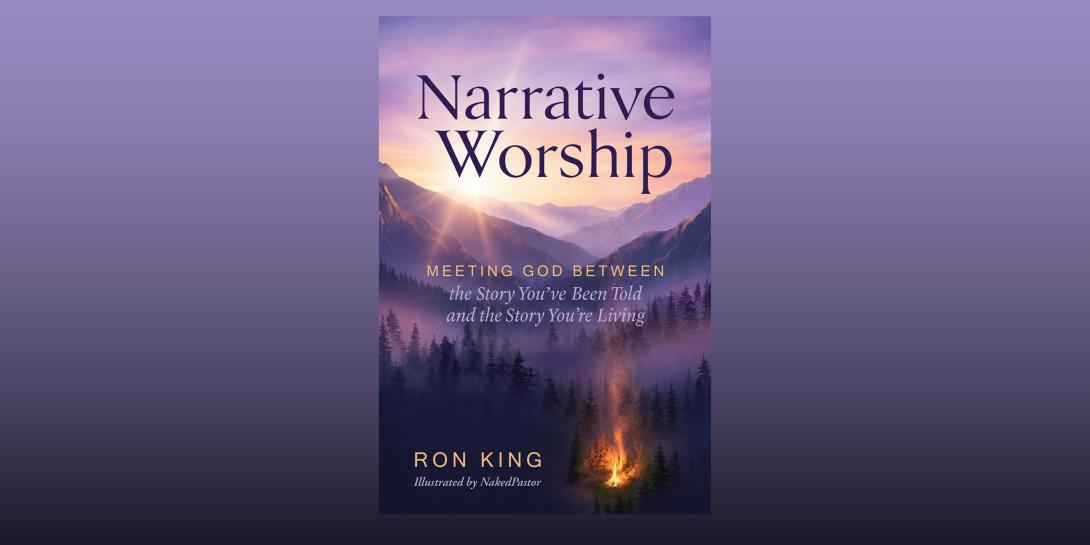
Ron King on Narrative Worship and Story Maps
Many churches, especially smaller ones, feel as if their glory days are over. But learning how to collect and tell stories in narrative worship can help them identify God’s work, wisdom, and will in their congregations and inspire them to see how God is still working in their midst and beyond church walls.
August 5, 2026
|
9 min read
I Will Give You Rest
“Trauma” is not a word we are likely to find in any Bible translation, but it has seemed to frequently appear everywhere else in recent years. Perhaps that began in 2020 with the COVID pandemic. Resonances of that trauma reverberated through churches, too, while many denominations were already facing internal difficulties and the loss of members and congregations. Pastors have been wounded, and many have had to leave beloved ministries. The global political scene seems more fiercely riven than any other time in our memory. Just watching the daily news these days can feel traumatic.
July 7, 2026
|
2 min read
CICW Announces Next Round of Worship and Preaching Grants
Dozens of Vital Worship, Vital Preaching grant awards will support worship renewal projects for teacher-scholars and worshiping communities.
June 30, 2026
|
2 min read
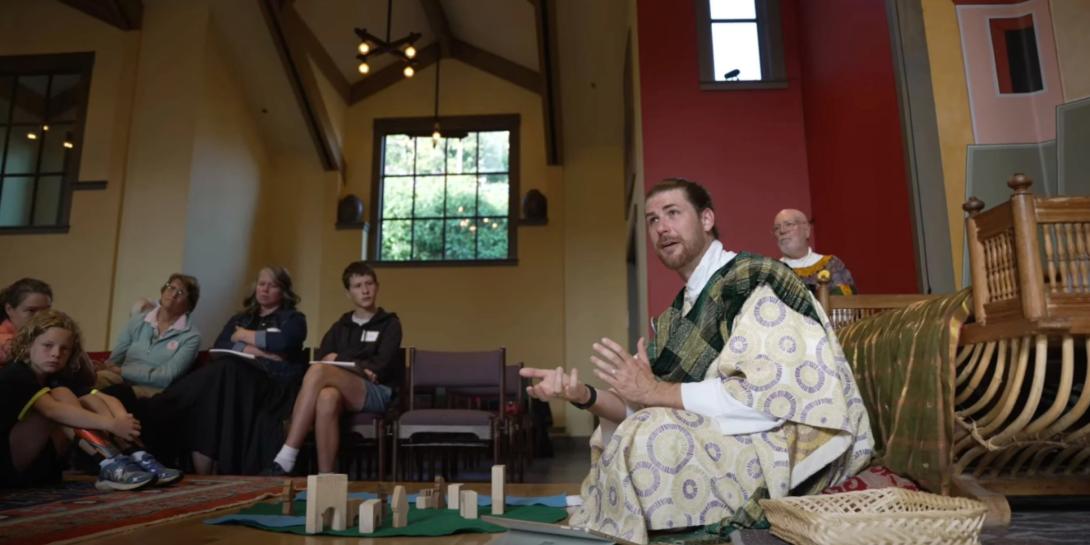
How to Preach and Hear the Psalms
A workshop which shows participants how to preach genre-conscious sermons from the book of Psalms. Attention will be given to historical, literary, and theological issues with the aim of improving hermeneutical, generical, and homiletical practice. Participants, including hearers of sermons, will expand their knowledge of the psalms as a genre, develop genre-conscious forms and structures, and cultivate new strategies for homiletical practice.
June 23, 2026
|
82 min video
Peter Levenstrong on Living Stories Sermons
Imagine if people came to worship asking not “What will the preacher say?” but “What will we discover together?” Living Stories Sermons is a collaborative preaching model that brings new life to worship and helps people feel as if they belong. It involves exegesis, wondering questions, and small-group reflection, and it trusts that the Holy Spirit can speak through everyone, not just the preacher.
June 16, 2026
|
9 min read
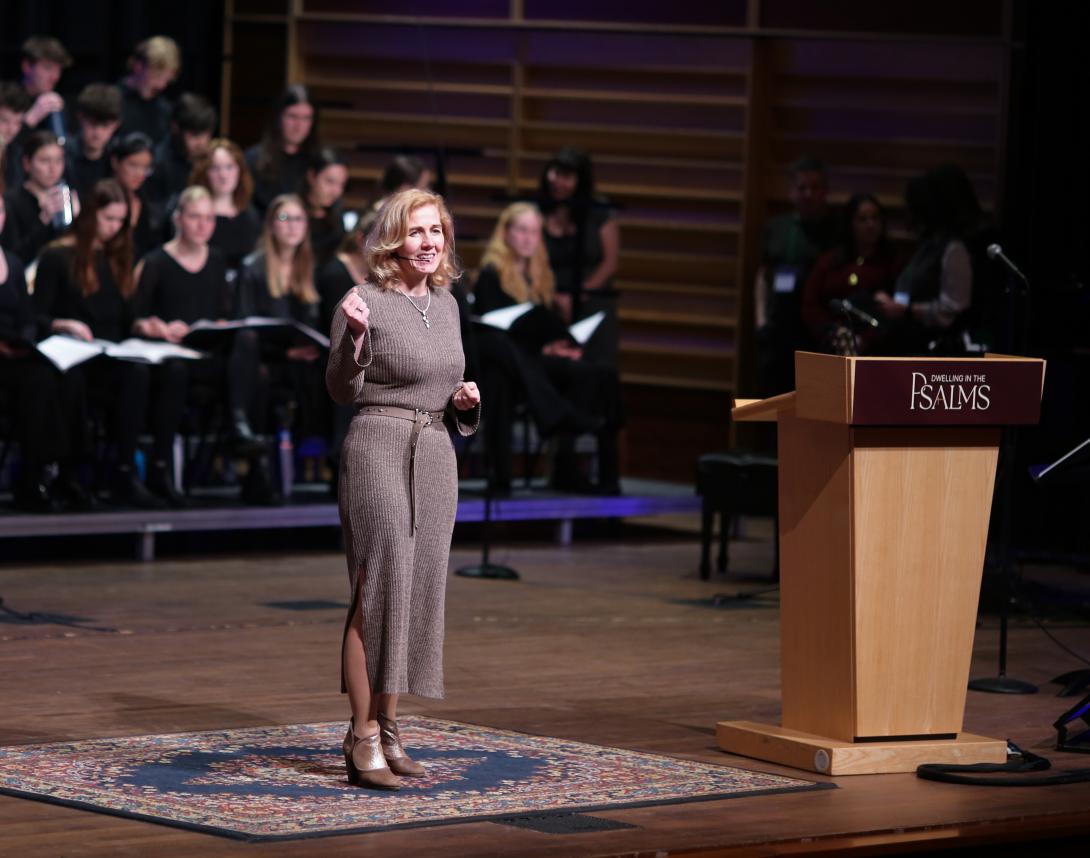
Preaching and Teaching the Psalms: A Conversation with Pastor-Theologians
A panel discussion in which Amanda Benckhuysen, Karen Campbell, G. Sujin Pak, and moderator Kathy Smith ponder the challenges and opportunities in preaching and teaching from the psalms. Are there incomplete or incorrect assumptions about the psalms that sermons and lectures can tackle? How do we handle the imprecatory psalms when we have a Savior who told us to love and forgive the very enemies many psalms talk about? The panel will consider these and other vital questions for preachers and teachers in today’s church.
May 14, 2026
|
89 min video
Karen Campbell on Considering Lament: Psalms of Protest, Pain and Hope
Technically, the Troubles in Northern Ireland ended in 1998. But just as trauma didn’t end after the passage of the US Civil Rights Act or the work of South Africa’s Truth and Reconciliation Commission, pain still lingers in Northern Ireland. Karen and David Campbell composed a new set of lament songs to help Christians voice protest, pain, and hope during worship.