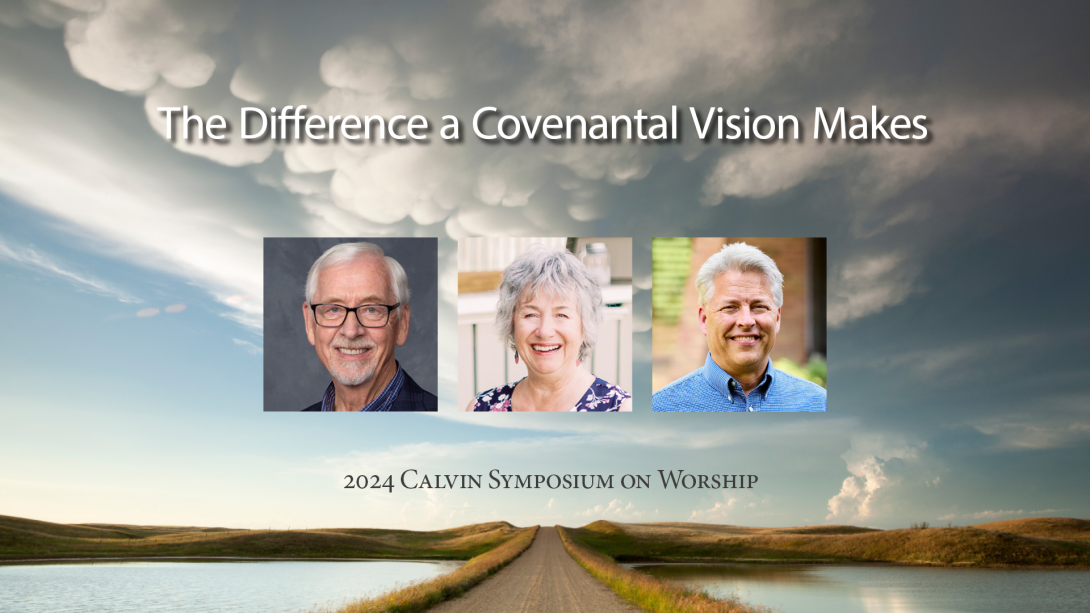
The Difference a Covenantal Vision Makes
Explore the compelling beauty of the Bible's covenantal vision of the divine-human relationship and the transformative difference this makes for how we worship the triune God. This session will feature insights from the authors of two influential books: Esther Lightcap Meek's Loving to Know: A Covenantal Epistemology and Daniel Block's Covenant: The Framework of God's Grand Plan of Redemption.
September 14, 2026
|
77 min video
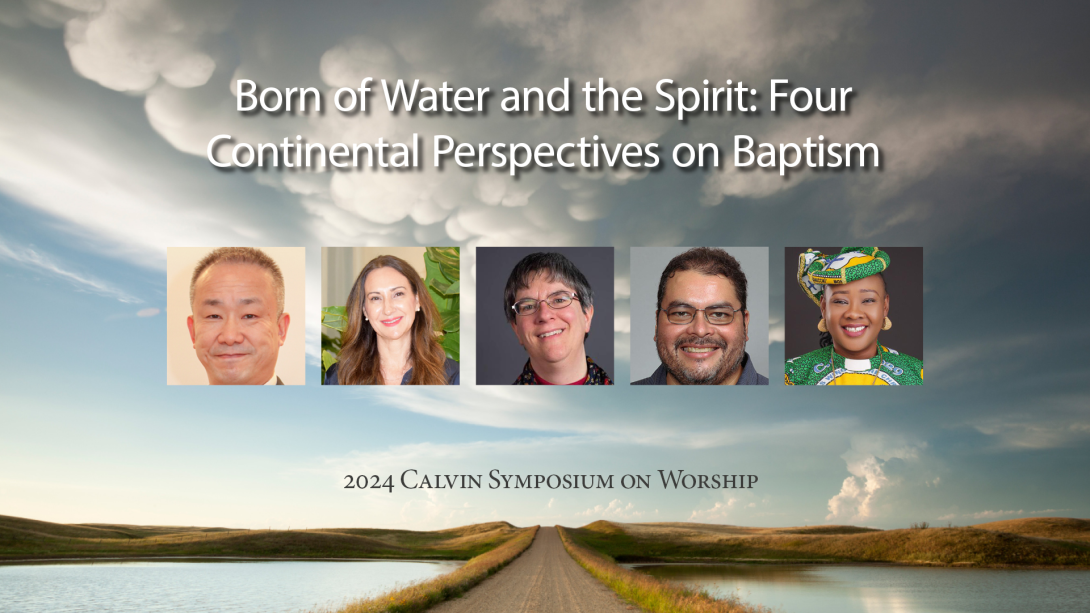
Born of Water and the Spirit: Four Continental Perspectives on Baptism
While Christian baptism is predominantly a transcultural practice, distinct faith communities worldwide experience this initiation rite through unique contextualizing elements. Join us in a fascinating conversation with Christian leaders from five continents about the rich cultural diversity reflected in baptismal liturgies, imagery, and practices, and how they shape Christian life in their contexts.
September 14, 2026
|
90 min video
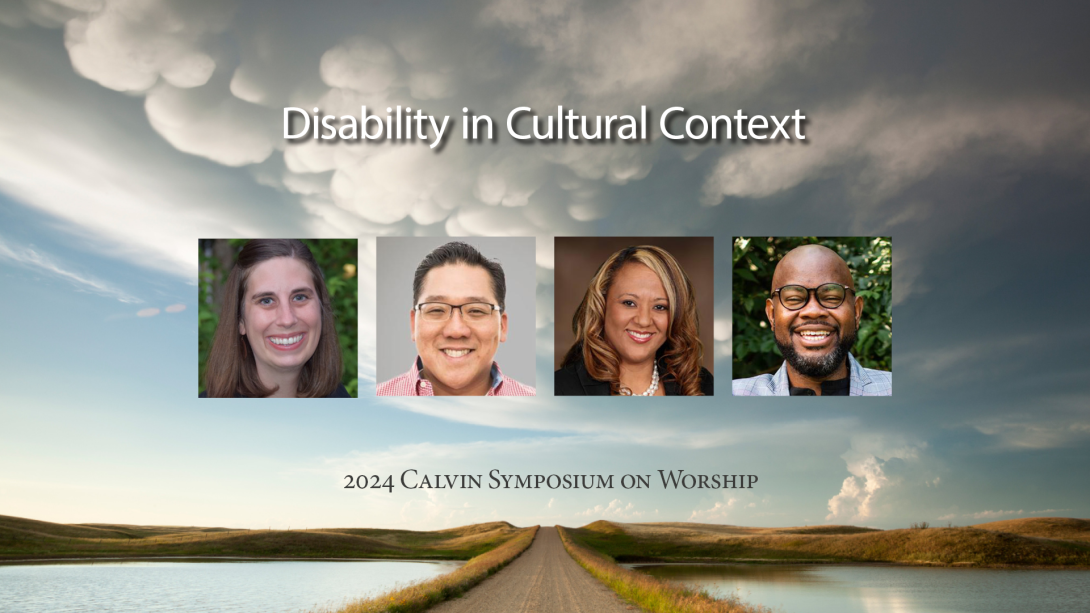
Disability in Cultural Context
This panel will explore the intersectionality between culture and disability. What can we learn from the experiences of people across varying cultures and contexts? What do experiences of racism and ableism in the church have in common? How do they overlap? How does belonging for people with disabilities look different in a variety of cultural contexts?
September 14, 2026
|
75 min video
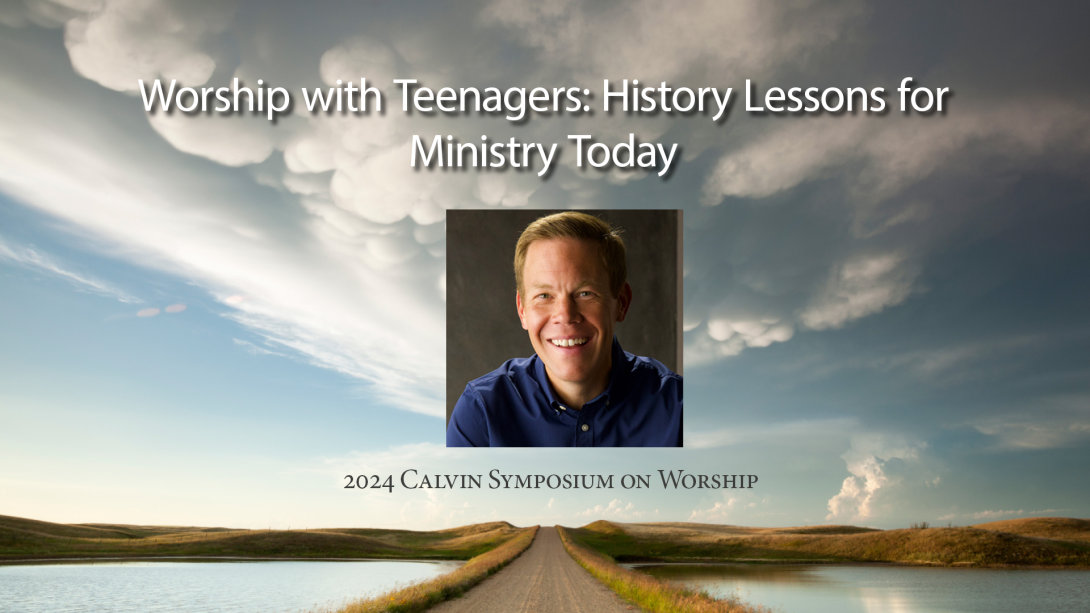
Worship with Teenagers: History Lessons for Ministry Today
Teenagers’ desire to encounter God has been realized throughout history as youth ministry has grown and evolved. Indeed, teenagers have expressed needs and desires to practice and grow their faith at church, school, and home as well as at camps and conferences or on short- and long-term mission trips. On the one hand, these worship efforts have been deeply formative. On the other hand, these worship efforts have focused on attracting and keeping teenagers as much as, if not more than, on spiritual formation. This session will identify key historical patterns in adolescent worship and examine how we might engage their wisdom for faithful worship practices with teenagers today.
September 14, 2026
|
77 min video