Published on
December 22, 2020
Video length
5 mins

This setting of Psalm 89:1–18 was written and submitted by Ken Michell. It focuses on God’s covenant community praising him for his love and faithfulness.

Psalm 89

How does this psalm piece interpret the psalm?   
The first 18 verses of Psalm 89 are a declaration of praise to God who calls his people into covenant relationship with God. God reaches out to us in order to make a way for us to reach out to God. We experience God’s love when God reaches out to us. And God is always true to God’s love for us (faithfulness). Worship begins with God, who reaches out to us. “For God so loved the world that he gave . . .”—this is where worship begins.   

In saying this, we’re admitting that worship doesn’t begin with us. We don’t “start” worship when we gather on Sunday morning or Wednesday night. We join worship that is ongoing. Psalm 89:1–18 reminds us that the beautiful work of worship is already underway, in heaven and on earth. And it began when God reached out in love and faithfulness.  

Psalm 89:14 says, “Righteousness and justice are the foundation of your throne; love and faithfulness go before you” (NIV). The way of God’s kingdom (founded upon God’s righteousness and justice) is the way of love and faithfulness. God’s love and faithfulness are the arms that reach out to us from the body of God’s righteousness and justice. The full embrace of God draws us into the pursuit of God’s righteousness and justice. The full embrace of God in worship forms and reforms us as God’s covenant family, the church.  

This psalm setting invites us to read, pray, and sing Psalm 89:1–18, where we are reminded that we are formed as God’s people through worship that declares God’s love and faithfulness. When we bless God, we are blessed. Refrain:  

“I will sing of your great love now and ever;  
With my mouth I will declare your faithfulness.  
In your promise I am formed, in your covenant restored,  
O bless the Lord forever, Amen.”  

This psalm setting would fit well during a time of praise (declaring God’s love and faithfulness) and/or response (calling us to love and faithfulness, to be formed and restored as God’s covenant people who are loving and faithful). 

Text and Music: Psalm 89:1–18; Ken Michell, © 2020 Ken Michell 
Used by permission. 
Contact: Ken Michell, kenmichell@gmail.com 

 

Recent Media Resources

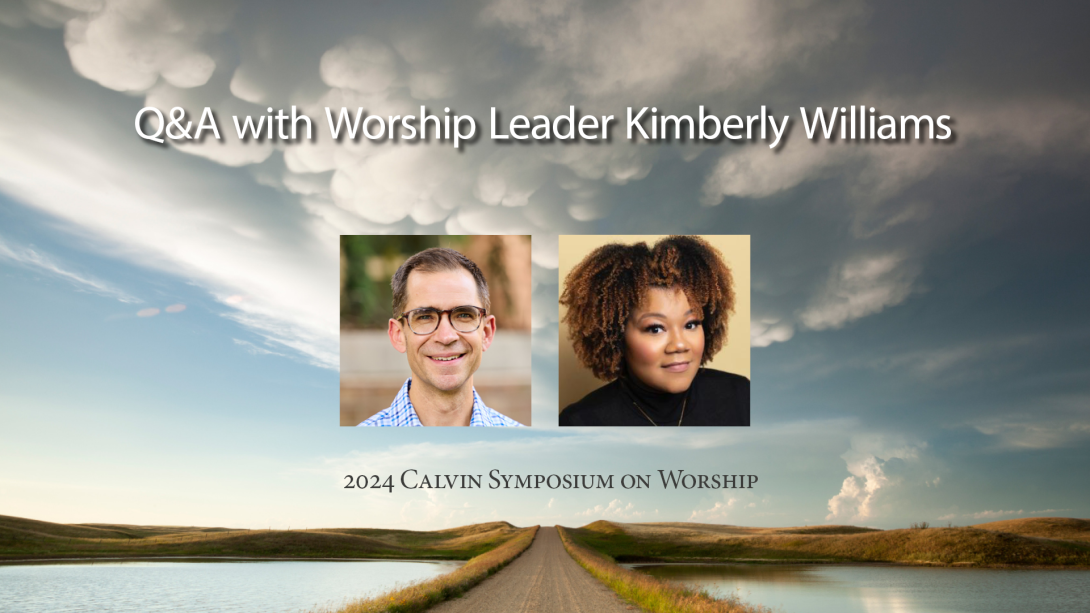
Q&A with Worship Leader Kimberly Williams

Join us after the University worship service (chapel) for a conversation with worship leader Kimberly Williams. We will explore topics related to worship leading and planning for diverse congregations, leading teams, songwriting and recording, and mentoring women in ministry.   

September 14, 2026 | 68 min video
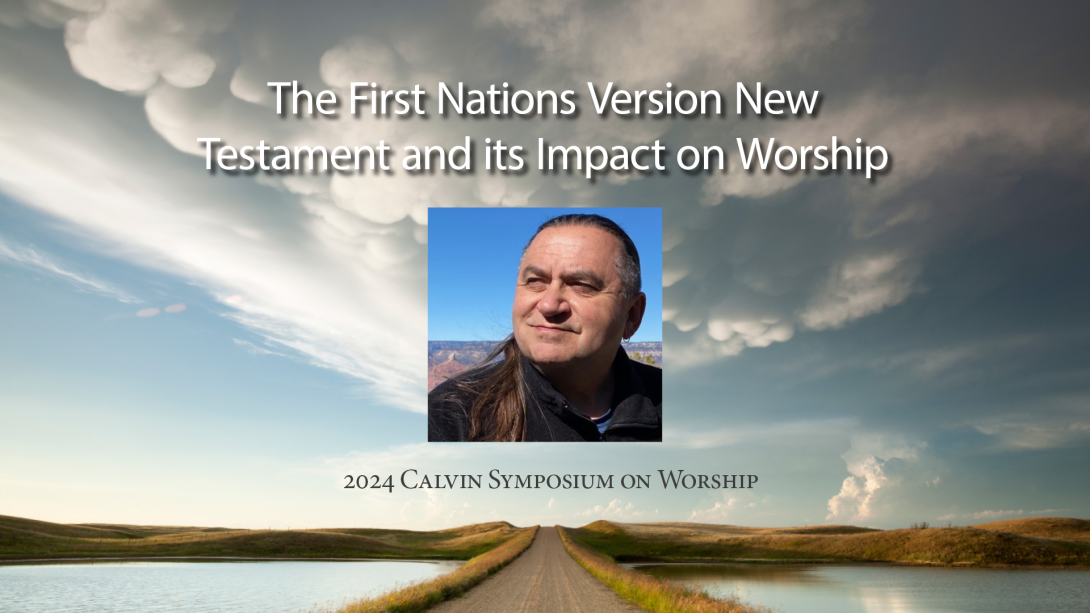
The First Nations Version New Testament and its Impact on Worship

In this session Terry Wildman will share the vision, process, and outcomes of the First Nations Version (FNV) New Testament. Why was this translation needed? Who was involved in the translation? What were some of the cultural challenges faced by the translation council? What does it say about the translations done in Native languages in the past? How did the translation council decide on more than 185 key words and terms? What are some of the unique qualities of the FNV versus other English versions? How has the FNV affected the worship expressions of some Native believers? What is the future of the FNV? 

September 14, 2026 | 73 min video
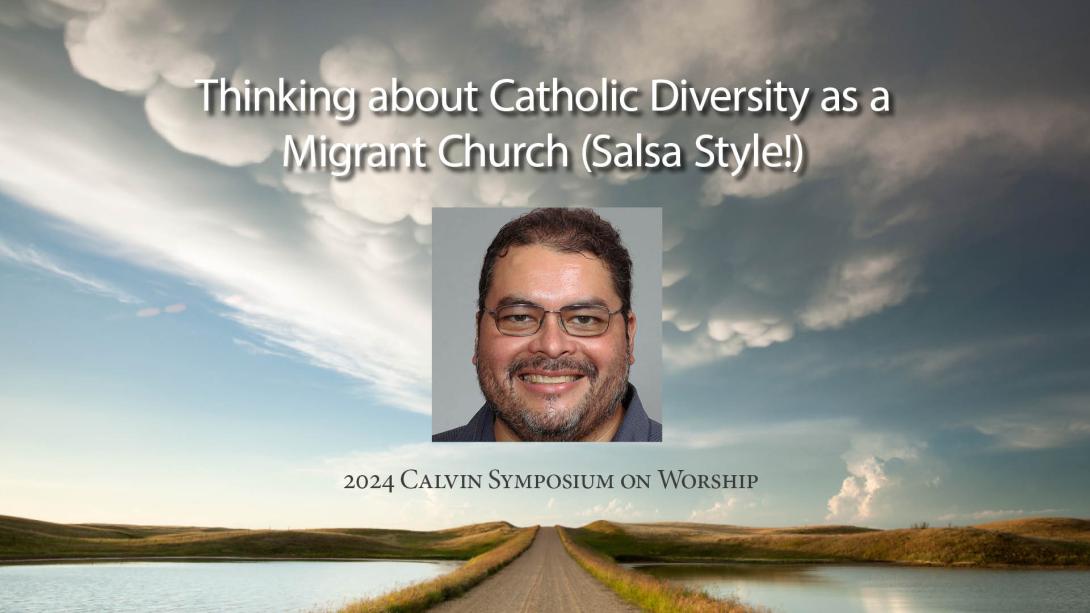
Thinking about Catholic Diversity as a Migrant Church (Salsa Style!)

How does one think about diversity as a Christian or as the church? How might working with and among—or even just thinking about—migrant neighbors contribute to our ecclesial identity? The language of catholicity allows us to imagine the unity of the church not in a monocultural way, but rather as a community inclusive of people of all languages and ethnicities. Migration and migrants today especially remind the church of its own catholic identity. How does the church's identity as a migrant church foster a healthy catholicity in the church's worship? This session will include the use of salsa music to invite participation in a more catholic way of life, asking what multicultural, cross cultural, and intercultural ways of being a church on the move might look like in worship. 

September 14, 2026 | 79 min video