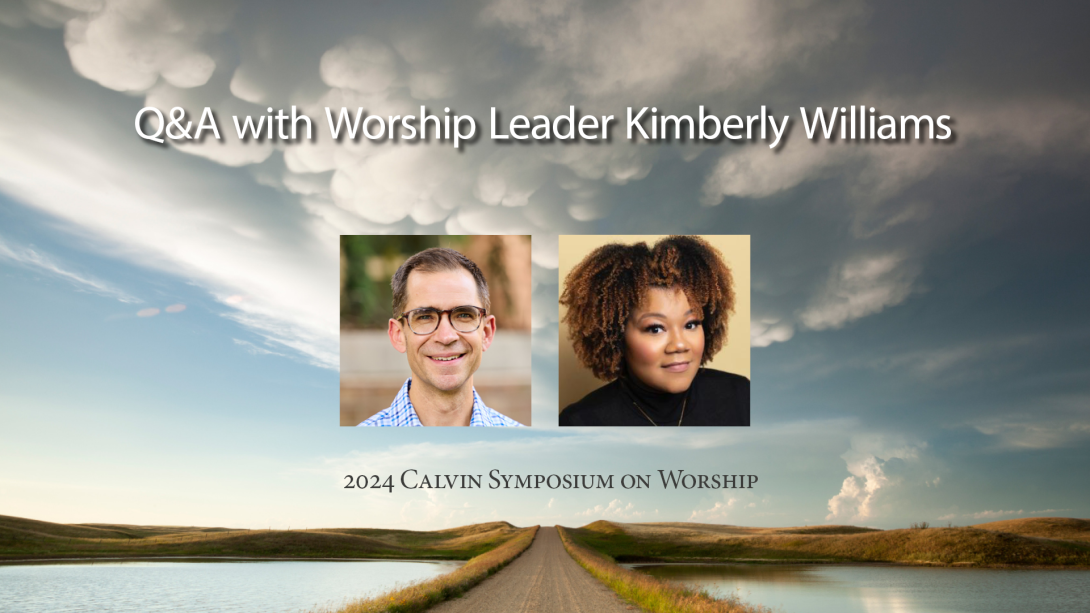
Q&A with Worship Leader Kimberly Williams
Join us after the University worship service (chapel) for a conversation with worship leader Kimberly Williams. We will explore topics related to worship leading and planning for diverse congregations, leading teams, songwriting and recording, and mentoring women in ministry.
September 14, 2026
|
68 min video
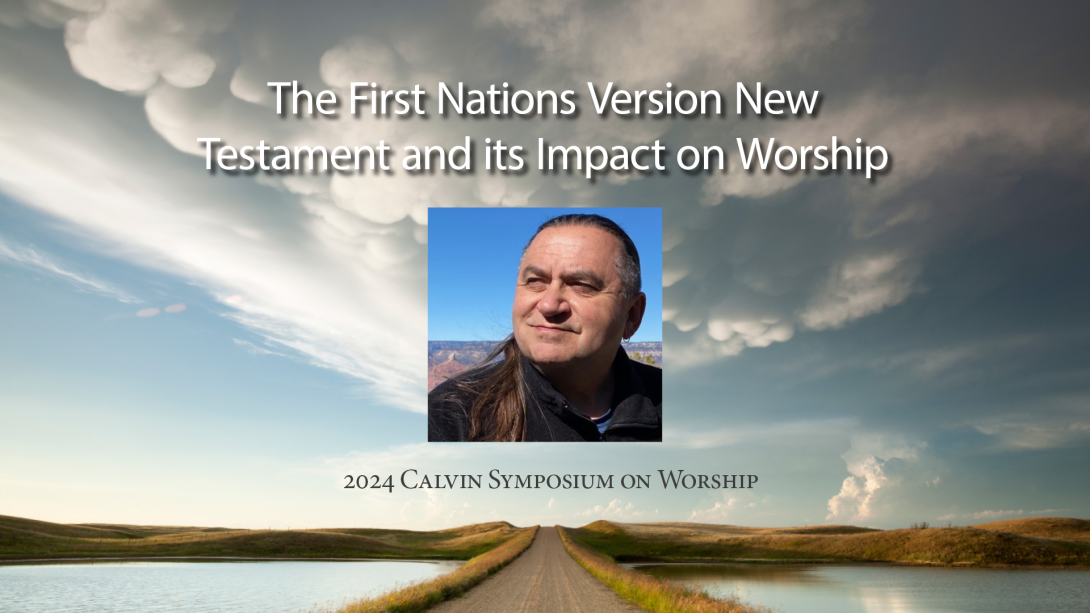
The First Nations Version New Testament and its Impact on Worship
In this session Terry Wildman will share the vision, process, and outcomes of the First Nations Version (FNV) New Testament. Why was this translation needed? Who was involved in the translation? What were some of the cultural challenges faced by the translation council? What does it say about the translations done in Native languages in the past? How did the translation council decide on more than 185 key words and terms? What are some of the unique qualities of the FNV versus other English versions? How has the FNV affected the worship expressions of some Native believers? What is the future of the FNV?
September 14, 2026
|
73 min video
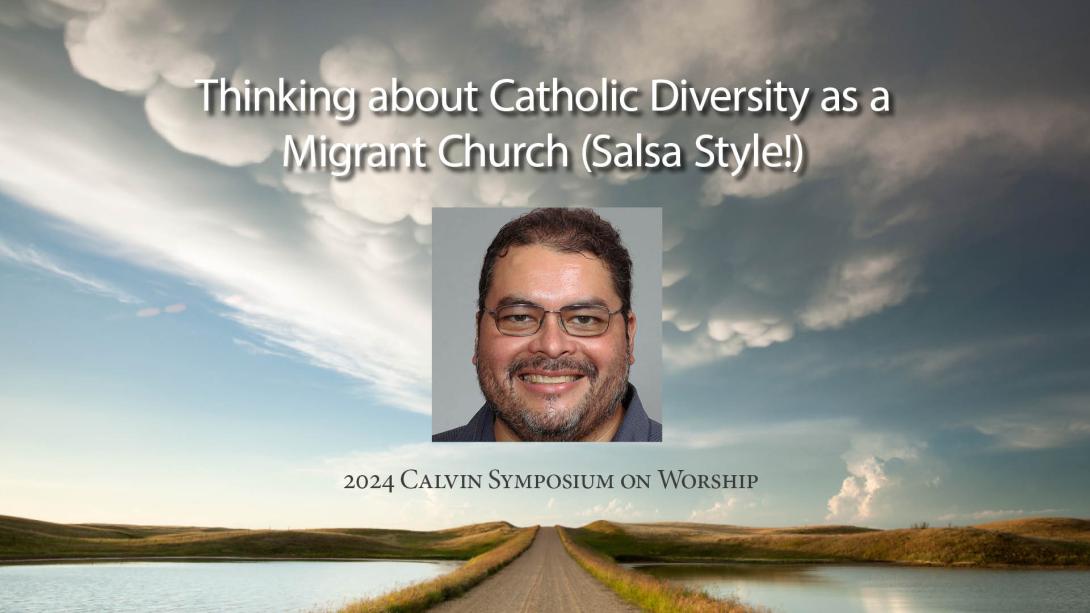
Thinking about Catholic Diversity as a Migrant Church (Salsa Style!)
How does one think about diversity as a Christian or as the church? How might working with and among—or even just thinking about—migrant neighbors contribute to our ecclesial identity? The language of catholicity allows us to imagine the unity of the church not in a monocultural way, but rather as a community inclusive of people of all languages and ethnicities. Migration and migrants today especially remind the church of its own catholic identity. How does the church's identity as a migrant church foster a healthy catholicity in the church's worship? This session will include the use of salsa music to invite participation in a more catholic way of life, asking what multicultural, cross cultural, and intercultural ways of being a church on the move might look like in worship.
September 14, 2026
|
79 min video
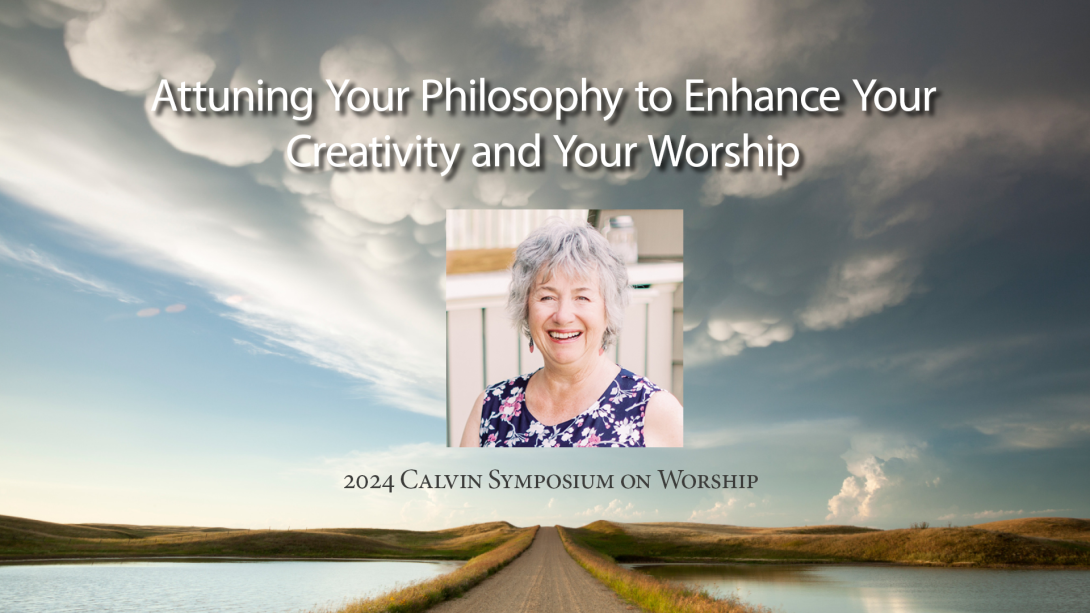
Attuning Your Philosophy to Enhance Your Creativity and Your Worship
As inhabitants of the modern age, we are deeply marked by skewed ways of thinking that thwart our humanness, our involvement with the world, and our spirituality. This is a philosophical tune-up that directly challenges and dispels modernity’s implicit philosophy. My philosophical proposals in my 2023 book Doorway to Artistry target the creative process, but they positively affect and bring healing to all arenas of life and work and worship. I pose that we as human persons are meant to live out a joyous “yes” to the real, and our involvement with the real takes the form of intimate encounter and communion. My approach reflects especially on God’s creative act and God’s created things. It taps epiphany, the redemptive encounter, and the Eucharist as paradigms for our knowing, our artistry, and all our everyday involvement with the world, so it should make us better at our stewardly dominion and voicing creation’s praise in worship.
September 14, 2026
|
77 min video