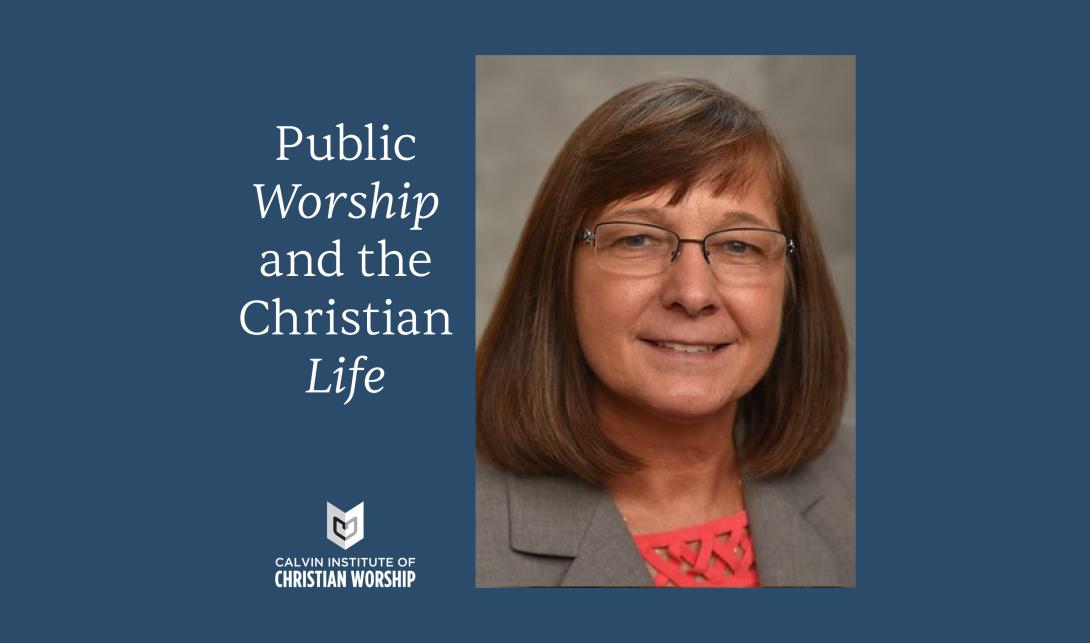
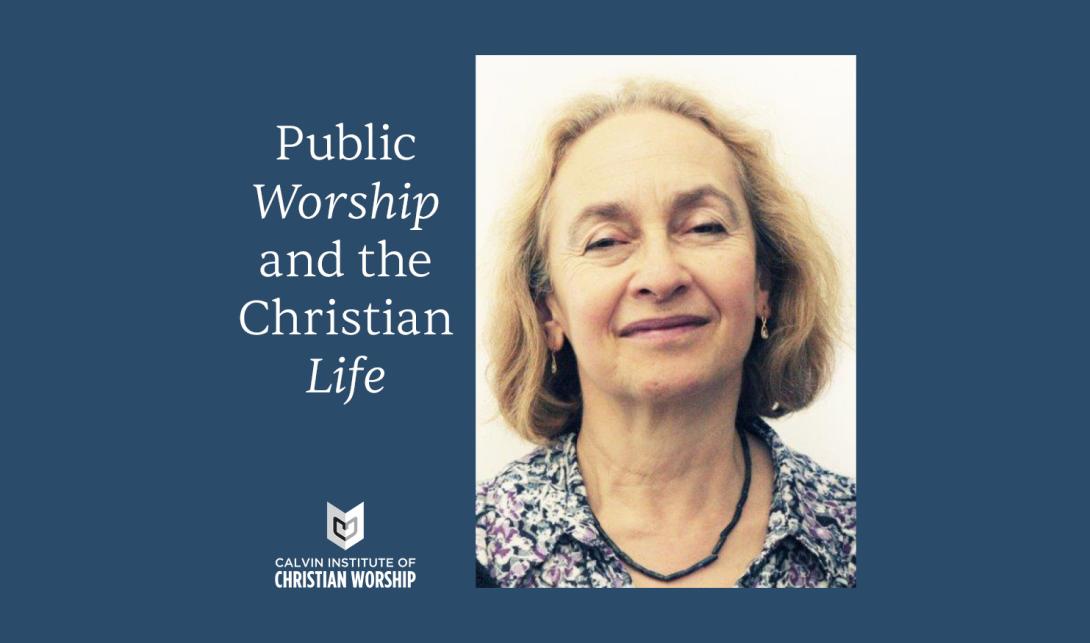
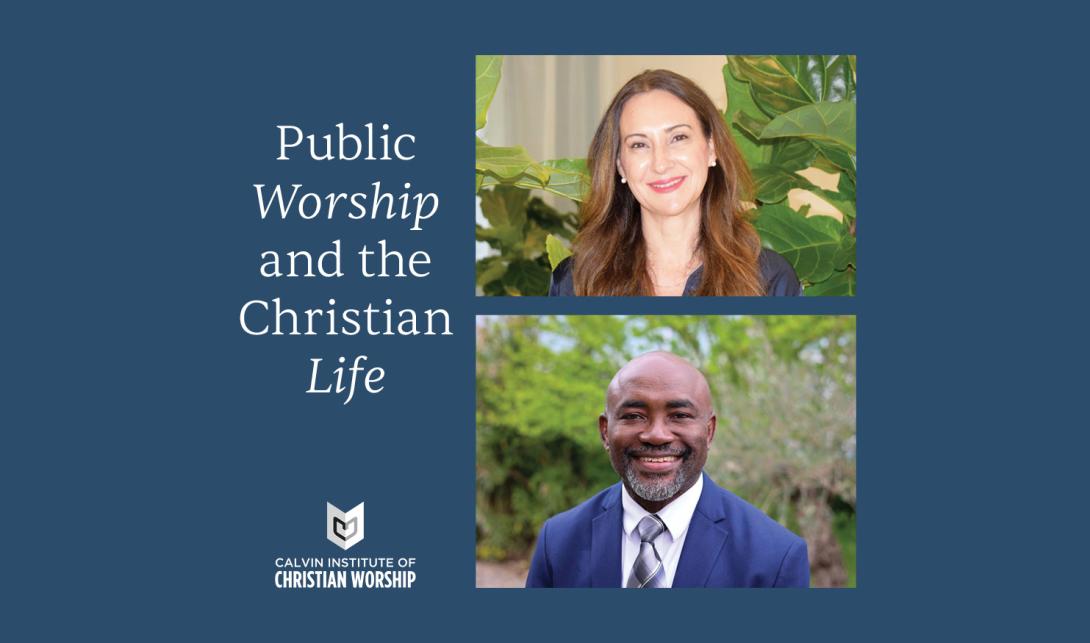
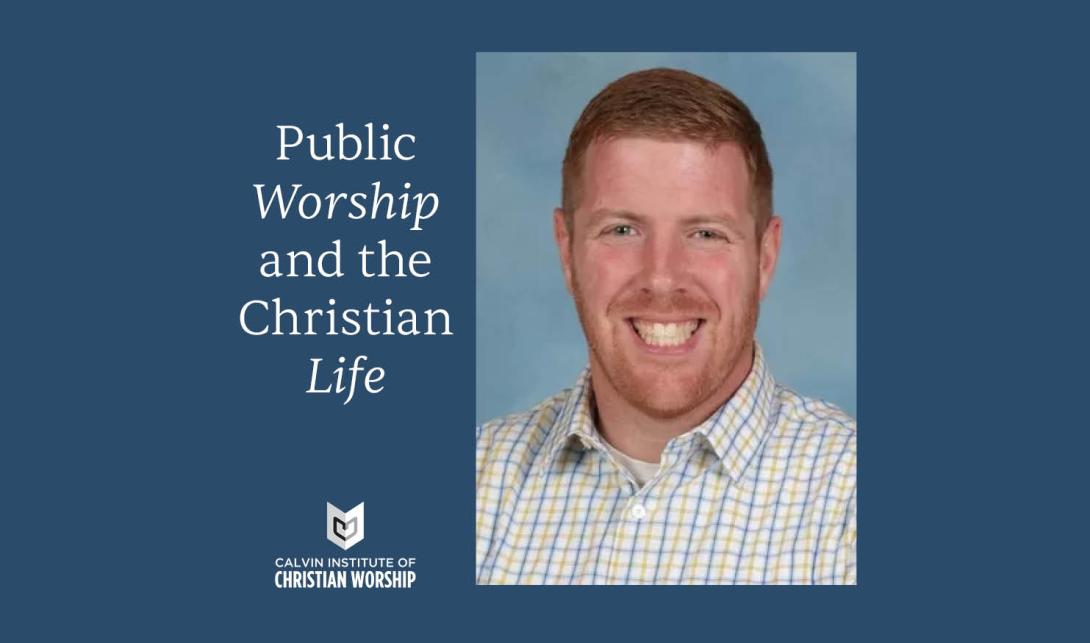
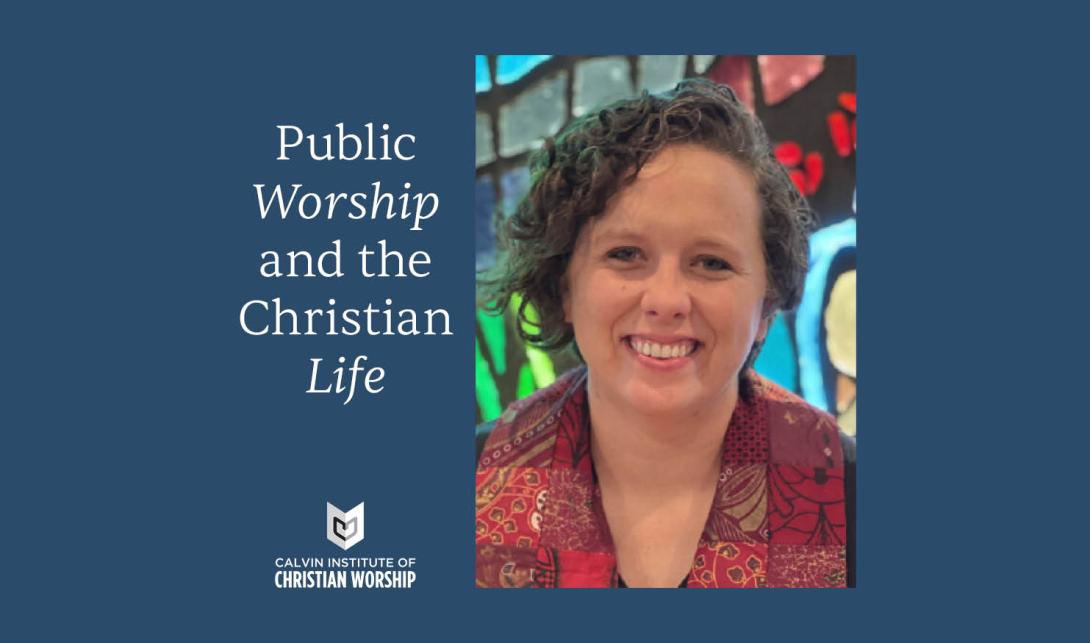
Nancy L. deClaissé-Walford on the Shape and Shaping of the Psalter
Old Testament scholar Nancy deClaissé-Walford has spent her career studying the ordering of the Psalter. Most of the psalms, she says, are not tied to a particular situation, allowing us to sing and pray them honestly in our own contexts.
April 10, 2026
|
17 min listen
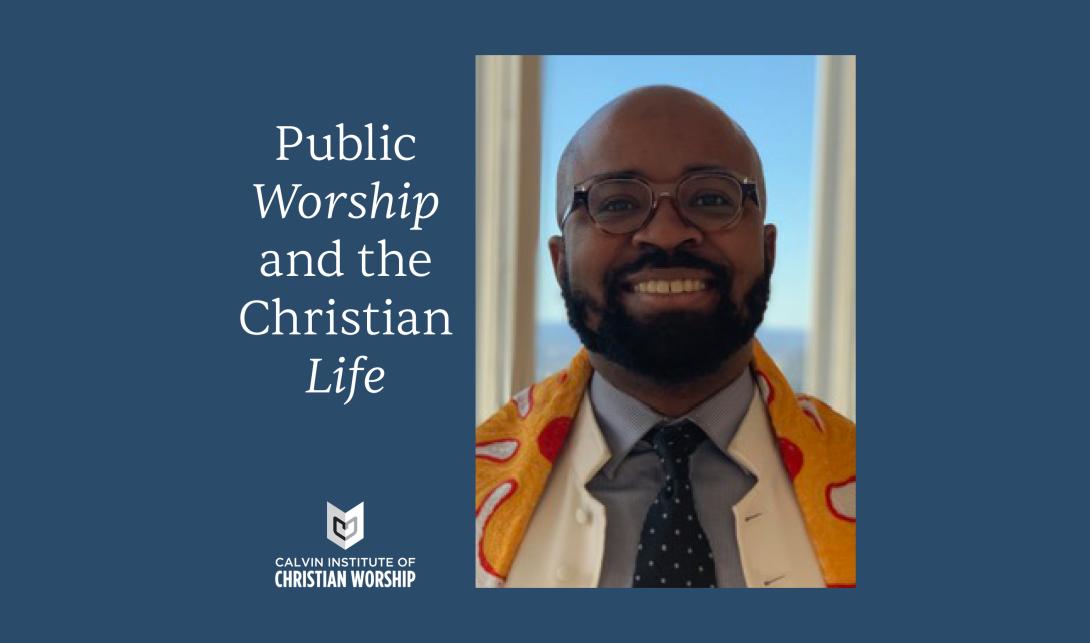
Andrew Wilkes on Doing the Work of Liberation and Justice with the Psalms as Our Guide
Pastor-scholar Andrew Wilkes shares how his worshiping community, Double Love Experience Church, prayed and sang the psalms during the troubling times of 2020. The psalms gave them language and support for praise and lament, and Wilkes asserts that lament is the evidence of faith because we are bringing our troubles to God.
April 10, 2026
|
14 min listen
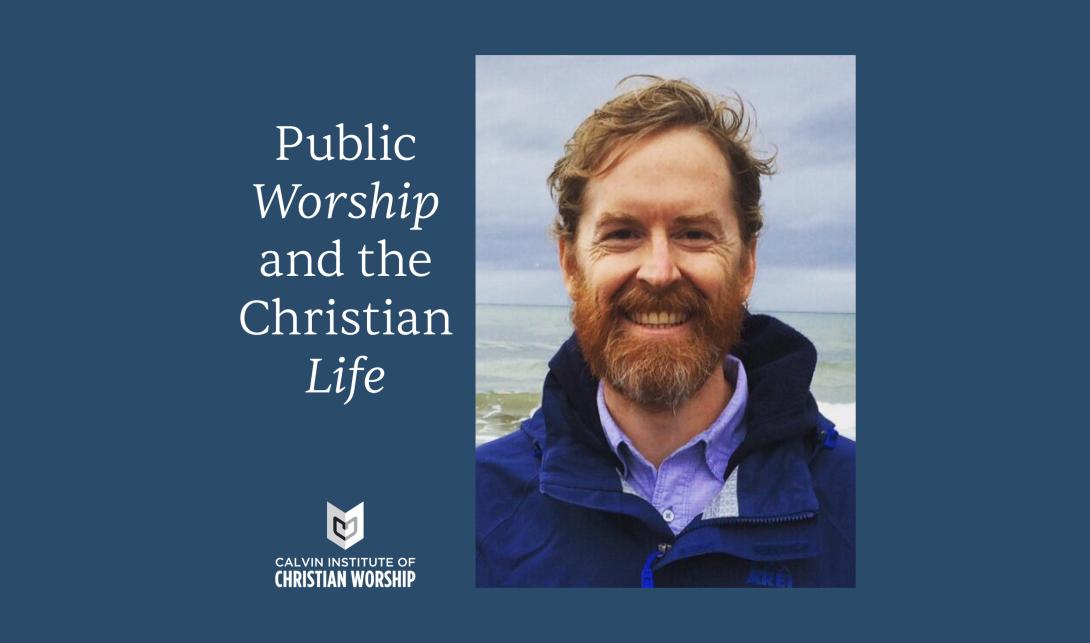
W. David O. Taylor on the Psalms and Praying the Unedited Life
Author and pastor-scholar David Taylor shares how he came to appreciate the psalms and how he encourages people to bring their full, unedited selves to God in prayer and experience a richer and more honest life of faith.
April 10, 2026
|
26 min listen
John Goldingay on the Psalms as Full of Theology and Straight Talking
John Goldingay, an Anglican priest and the senior professor of Old Testament at Fuller Theological Seminary, posits the psalms are the densest material in the entire Old Testament. They expound the nature of God as the compassionate, faithful, and committed one, but also as the one who makes demands upon us. The psalms help us talk to God, even about difficult things—and when we do, we are talking to someone who is in a position to do something about it.
December 2, 2025
|
29 min listen
Kathleen Harmon on Becoming the Psalms
Sister Kathleen Harmon of the community of the Ohio province of the Sisters of Notre Dame de Namur in Dayton, invites us to be transformed by the psalms and experience them as the whole story God is revealing to us. As we keep praying and singing them, the psalms interpret us, and that’s when the transformation comes.
December 2, 2025
|
32 min listen
Vinroy D. Brown Jr. on Black Psalmody is for Everyone
Vinroy D. Brown Jr.—conductor, musicologist, educator, and minister of creative worship and music at the historic Abyssinian Baptist Church in New York City—explores the vibrant intersection of Black sacred music and the psalms. He talks about Black composers and how they have reimagined the psalms through choral music, spirituals, and the gospel tradition for the benefit of everyone.
December 2, 2025
|
34 min listen
Jared Ortiz on the Dramatic Nature of the Nicene Creed
Jared Ortiz, professor at Hope College, Holland, Michigan, describes the Nicene Creed as a dramatic and powerful statement where every word is like a declaration of war, saying yes to the truth and no to many falsehoods.
May 21, 2025
|
38 min listen
Jane Williams on the Nicene Creed as a Creative and Exciting Description of Who God Is
Jane Williams, professor of theology at St. Mellitus College in London, England, sees the Nicene Creed, crafted 1700 years ago, as an extraordinary creative and exciting description of who God is and therefore what we trust in as Christians in God's world.
May 21, 2025
|
26 min listen
Maria Eugenia Cornou and Mikie Roberts on the Doxological and Historical Significance of the Nicene Creed
Maria Eugenia Cornou and Mikie Roberts serve on a planning team for an October worship event in Egypt to mark the 1700th anniversary of the Council of Nicaea and the ecumenical creed that emerged in the year 325 and remains firmly embedded in the worship practices of the church today.
May 21, 2025
|
36 min listen
Robby Kiley on Creating Inclusive Community and Welcome
In this episode, Robby Kiley of Saint Pius X Parish in Granger, Indiana, shares how a grant project focused on welcome at the Mass for people across the spectrum of abilities extended beyond worship into a wider embrace of people in community and participation.
December 13, 2024
|
20 min listen
Katie Callaway on Wonder, Curiosity, and Imagination in Worship
In this episode, Katie Callaway of Christian Temple Christian Church, in Catonsville, Maryland, shares how her congregation explored and deepened their understanding of worship by experimenting with godly play.
December 13, 2024
|
21 min listen
Nathan Longfield on Embodiment, Creativity and Trauma-informed Worship
In this episode, Nathan Longfield, pastor of Emmaus Church, a newer worshiping community, talks about their year-long project that explored embodiment and trauma-informed practices to more deeply engage in worship as a congregation and community.
December 10, 2024
|
20 min listen