Published on
July 19, 2018
Video length
1 mins

This video explores what it might look like to think that some disabilities might have a place in heaven.

The Church has a long history of suggesting that disability has no place in God’s coming kingdom. Theologian Amos Yong, in his The Bible, Disability, and the Church, writes “if there are no disabilities in the life to come, then that implicitly suggests that our present task is to rid the world of such unfortunate and unwarranted realities.” Perhaps this is one reason that, in the US, individuals with disabilities are significantly less likely to attend church than are those who are non-disabled. This short documentary begins to explore what it might look like to think that at least some disabilities might have a place in heaven. It’s my hope that this can help the Church recognize the value that people with disabilities can have in our communities now.

-Kevin Timpe, PhD, William H. Jellema Chair in Christian Philosophy, Calvin College

This documentary was produced by the Center for Philosophy of Religion at the University of Notre Dame.  

See a related academic paper by Kevin Timpe: Defiant Afterlife–Disability and Uniting Ourselves to God

Recent Media Resources

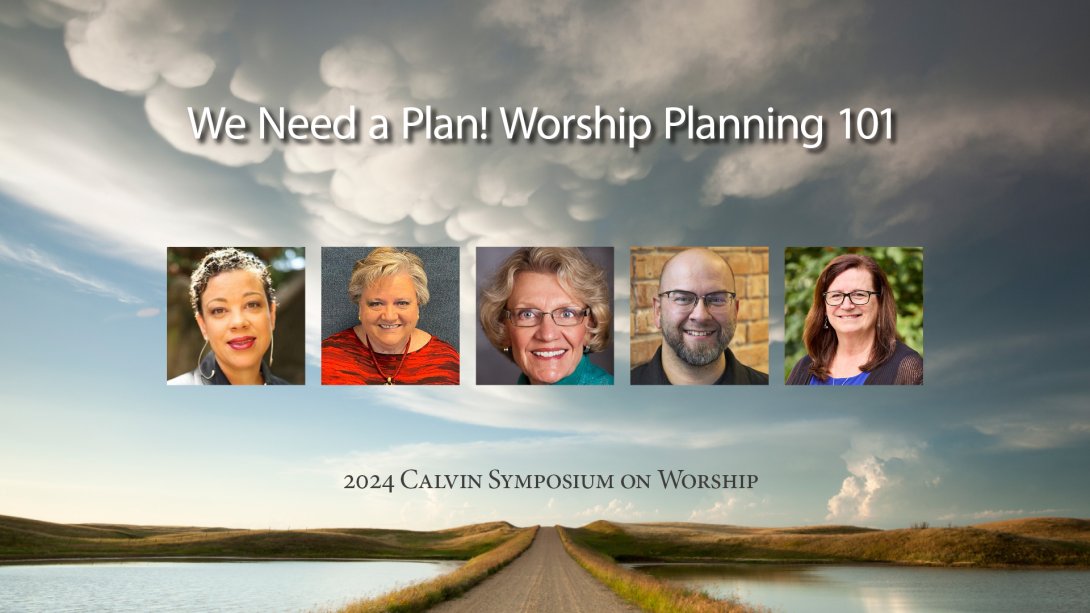
We Need a Plan! Worship Planning 101

What basic models for worship planning are out there, and which patterns will work best in your context? Join a lively discussion of several worship planning models by the authors and pastors who use them. Bring your questions and suggestions as we learn together. 

September 14, 2026 | 76 min video
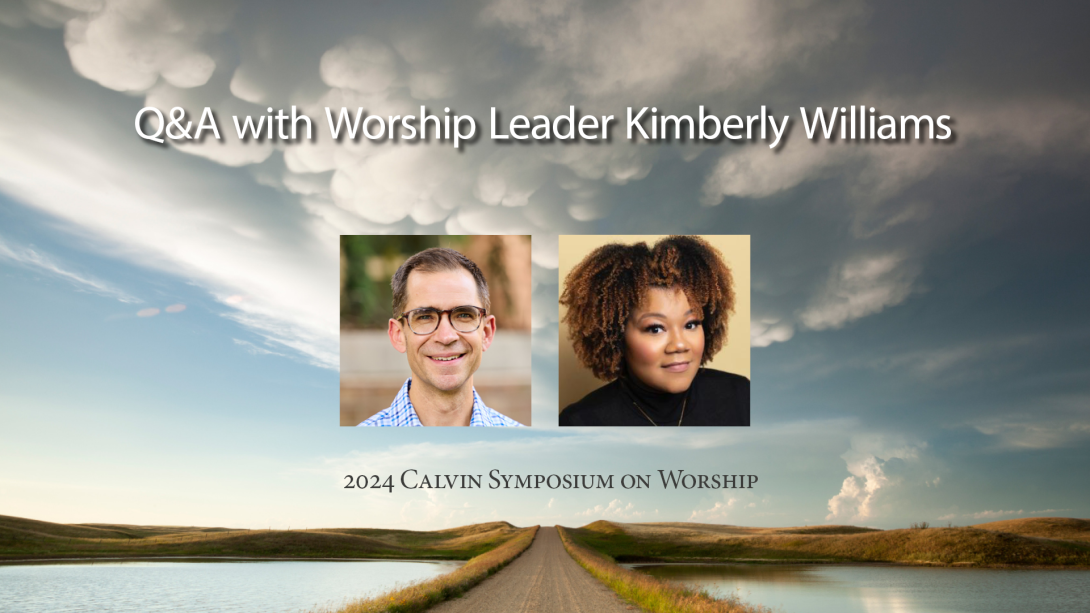
Q&A with Worship Leader Kimberly Williams

Join us after the University worship service (chapel) for a conversation with worship leader Kimberly Williams. We will explore topics related to worship leading and planning for diverse congregations, leading teams, songwriting and recording, and mentoring women in ministry.   

September 14, 2026 | 68 min video
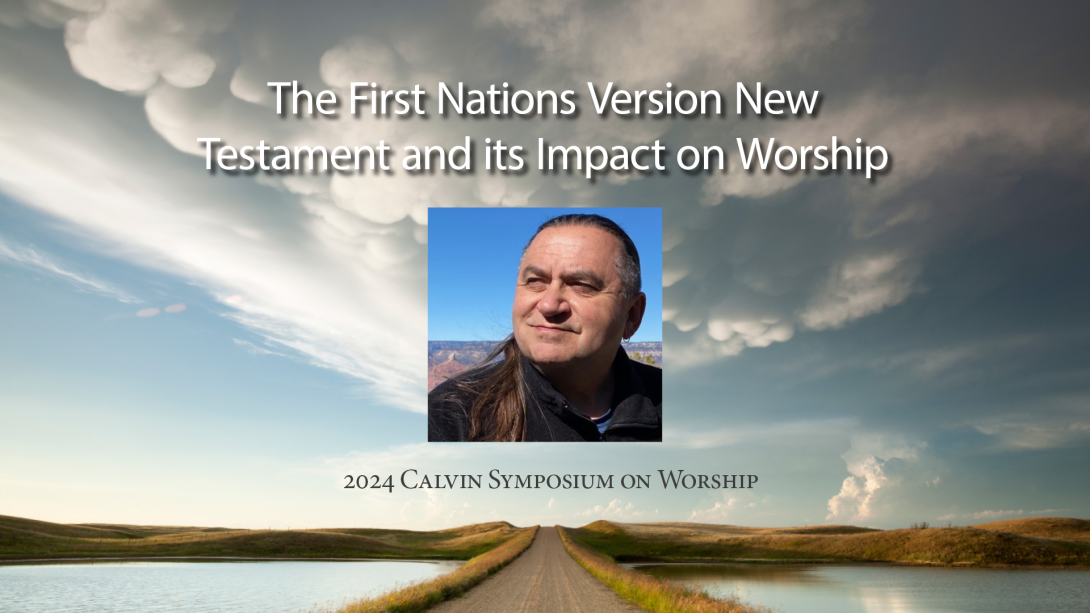
The First Nations Version New Testament and its Impact on Worship

In this session Terry Wildman will share the vision, process, and outcomes of the First Nations Version (FNV) New Testament. Why was this translation needed? Who was involved in the translation? What were some of the cultural challenges faced by the translation council? What does it say about the translations done in Native languages in the past? How did the translation council decide on more than 185 key words and terms? What are some of the unique qualities of the FNV versus other English versions? How has the FNV affected the worship expressions of some Native believers? What is the future of the FNV? 

September 14, 2026 | 73 min video