Our Father in Heaven: Growing Into the Prayer Jesus Taught Us
A conversation with Mark Charles and John D. Witvliet on the phrase "Our Father in Heaven" from the Lord's Prayer, as part of the series "Growing into the Prayer Jesus Taught Us."
March 28, 2023
|
16 min video
Give Us This Day Our Daily Bread: Growing into the Prayer Jesus Taught Us
A conversation with Mark Charles and John D. Witvliet on the phrase "Give Us This Day Our Daily Bread" from the Lord's Prayer, as part of the series "Growing into the Prayer Jesus Taught Us."
March 28, 2023
|
6 min video
Lead Us Not Into Temptation: Growing into the Prayer Jesus Taught Us
A conversation with Mark Charles and John D. Witvliet on the phrase "Lead Us Not Into Temptation" from the Lord's Prayer, as part of the series "Growing into the Prayer Jesus Taught Us."
March 28, 2023
|
8 min video
Sermons on Colossians
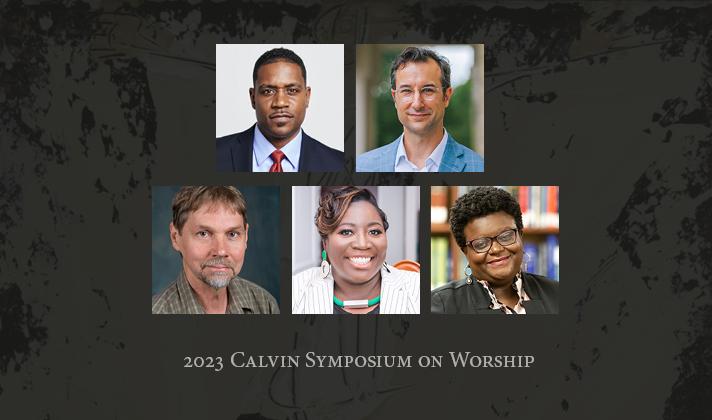
Five sermons on the book of Colossians from the 2023 Calvin Symposium on Worship
March 20, 2023
|
18 min video
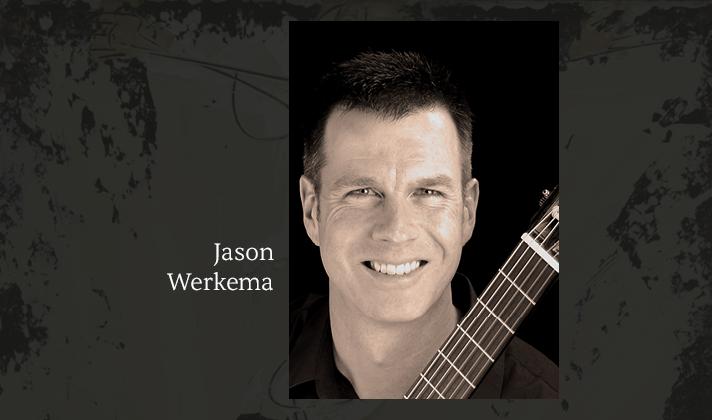
Guitar Technique for Playing in Worship
Explore a jazz and classical guitarist's techniques for playing in worship. Jason Werkema demonstrates left- and right-hand exercises, fretboard memorization, expanded chord voicings, fingerstyle technique, and much more!
February 21, 2023
|
33 min video
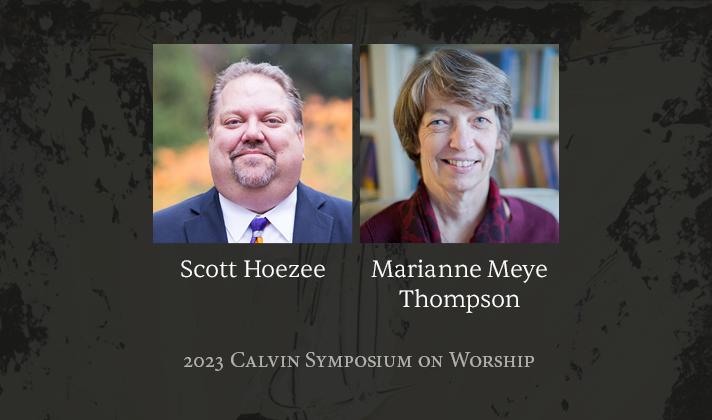
Metanarratives and Identity: The Challenge and Opportunity of Colossians
In this session Scott Hoezee talks with Marianne Meye Thompson about her Colossians commentary and most particularly about the sweeping claims Paul makes regarding Christ. How does Paul's metanarrative fit in a world that promotes not one, but a diversity of stories, and how does Paul's call to find our identity in the Christ of this grand narrative sound to people today? The session also explores how to preach and teach this message in our present context.
February 10, 2023
|
70 min video
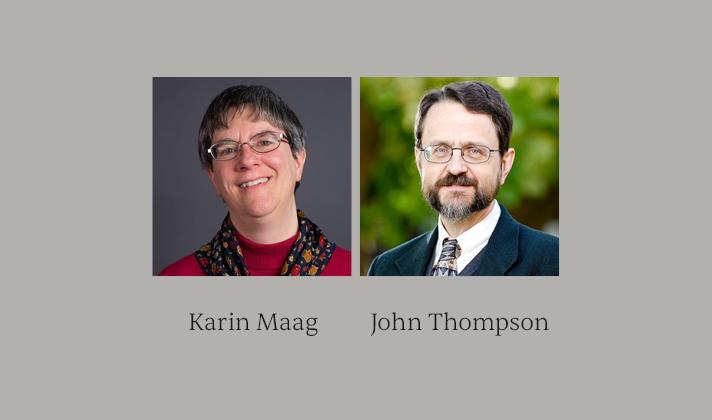
Proclaiming and Responding to God's Word: Exegesis and Preaching
This fifth session is part of “Experiencing the Contours of Early Modern Worship,” a series of five linked sessions bringing current-day participants into the world of Reformation Europe. What was it like to attend worship in Wittenberg in 1530, Geneva in 1550, London in 1570, or Venice in 1590? When people in different confessional contexts joined in worship and participated in the sacrament in this period, what differences and similarities were there? Join John Thompson [professor emeritus, Fuller Theological Seminary] and Karin Maag [Meeter Center] as they explore how pastors interpreted scripture and preached to their congregations.
February 10, 2023
|
81 min video
Welcoming All Bodies and Abilities into Worship and the Life of the Church
This session explores a biblical view of disability and practical ways of including people with disabilities in every aspect of the church for the flourishing of the entire worshiping community.
February 10, 2023
|
60 min video
Sharing and Serving: The Lord's Supper
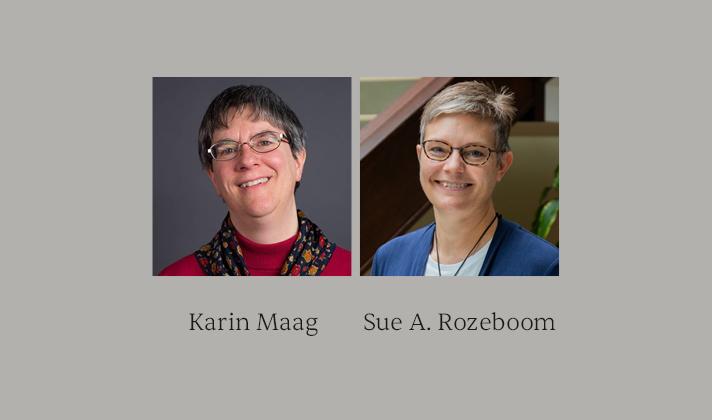
This fourth session is part of “Experiencing the Contours of Early Modern Worship,” a series of five linked sessions bringing current-day participants into the world of Reformation Europe. What was it like to attend worship in Wittenberg in 1530, Geneva in 1550, London in 1570, or Venice in 1590? When people in different confessional contexts joined in worship and participated in the sacrament in this period, what differences and similarities were there? Join Sue Rozeboom [Western Theological Seminary] and Karin Maag [Meeter Center] for an overview of the range of perspectives on and practices of this sacrament in the Reformation era.
February 10, 2023
|
75 min video
Moving from Dividing Walls of Hostility toward Christian Unity
In this session panelists share best practices for navigating difficult topics that divide the church and discuss the importance of Christian unity.
February 9, 2023
|
79 min video
Singing for Life: Stories of the Transformative Power of Music in Prison
The Handlon Tabernacle Choir began in 2016 and has grown to more than forty students from the Calvin Prison Initiative at Handlon Correctional Facility in Ionia, Michigan. Originally started to provide music for the program’s special events, the choir has become an opportunity for students to develop their musical skills and explore what it means to find new life in community. This presentation will include stories and reflections from members of the choir and the choir director about the impact of music in prison.
February 9, 2023
|
75 min video
Engaging in Communal Worship: Psalms and Psalm-singing
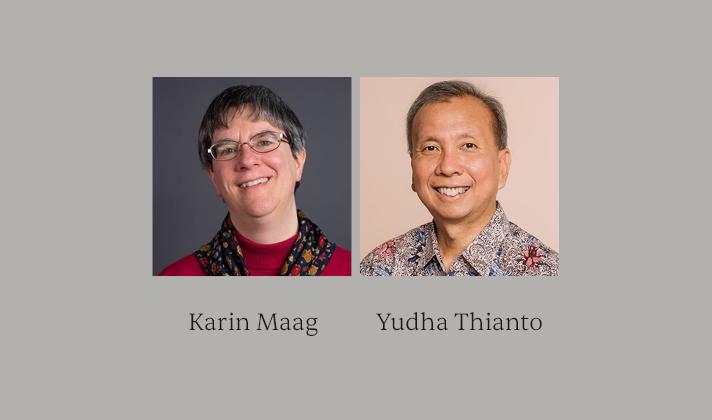
This third session is part of “Experiencing the Contours of Early Modern Worship,” a series of five linked sessions bringing participants into the world of Reformation Europe. What was it like to attend worship in Wittenberg in 1530, Geneva in 1550, London in 1570, or Venice in 1590? When people in different confessional contexts joined in worship and participated in the sacrament in this period, what differences and similarities were there? Join Yudha Thianto [Calvin Theological Seminary] and Karin Maag [Meeter Center] in an encounter with the theory and practice of congregational song in the Reformation era with a particular focus on psalm-singing.
February 9, 2023
|
60 min video