Monica Schaap Pierce on Appreciating Other Christian Traditions
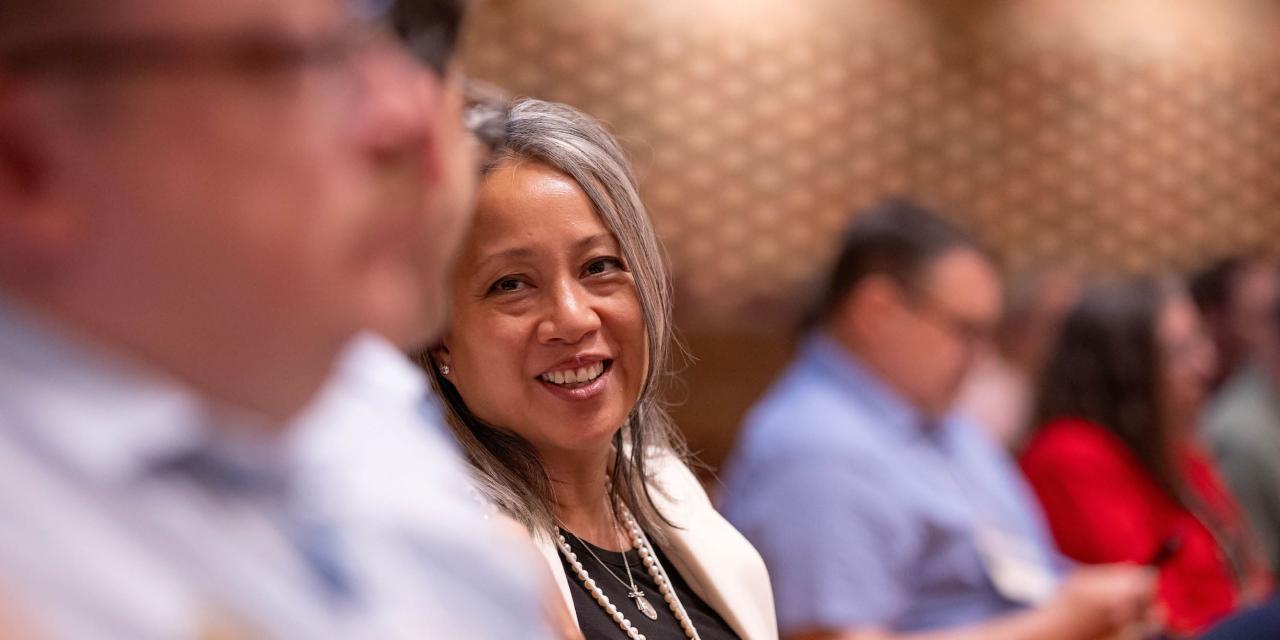
The Holy Spirit has gifted different Christian traditions with unique songs, rituals, stories, and practices. Monica Schaap Pierce, executive director of Christian Churches Together, explains how to learn from and welcome gifts from other church families. You can use these ideas at church and at home.
October 1, 2026
|
7 min read
Rebecca Snippe on Zeteosearch.org
Preachers, worship leaders, teachers, and others who study the Bible often go online to find resources for their research. Sorting through search results is often frustrating. But Zeteosearch.org—a revamped curated search engine—offers thought-provoking results.
October 1, 2026
|
3 min read
Monica Schaap Pierce on Christian Churches Together
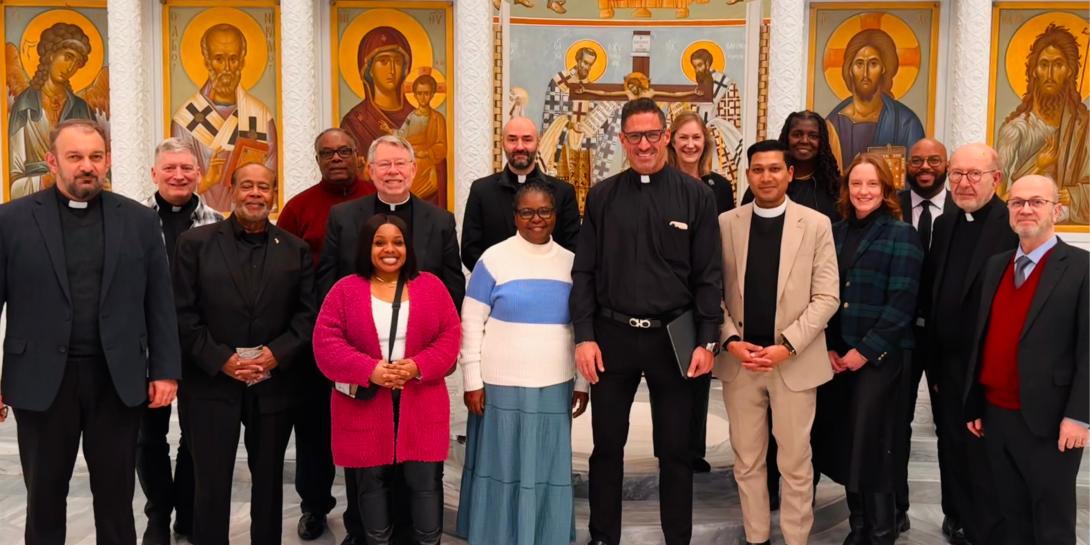
When congregations cooperate, it’s often with other churches in their own family of faith. But building relationships with churches and Christians who are very different can open us to how God has gifted them. Christian Churches Together helps Christians learn from each other and build relationships so they can witness to the unity Jesus prayed for.
October 1, 2026
|
6 min read
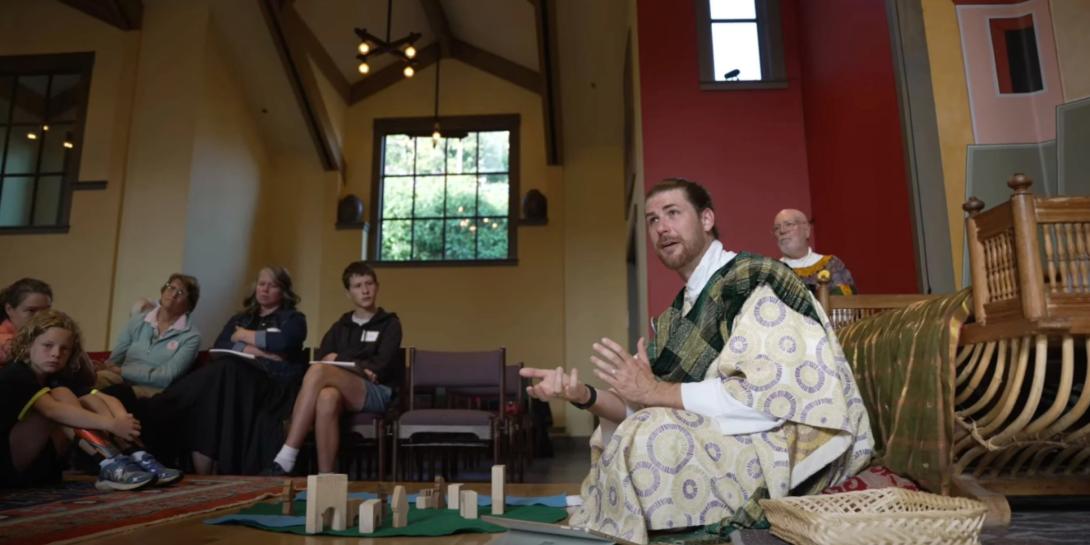
Storytelling and Narrative Worship in Small Churches
Small churches often mourn what they no longer have. But the relationships and stories they still have can be a source of awe and renewed faith and mission. Learning about storytelling, narrative worship, and story maps has blessed many congregations that had once considered disbanding.
August 6, 2026
|
8 min read
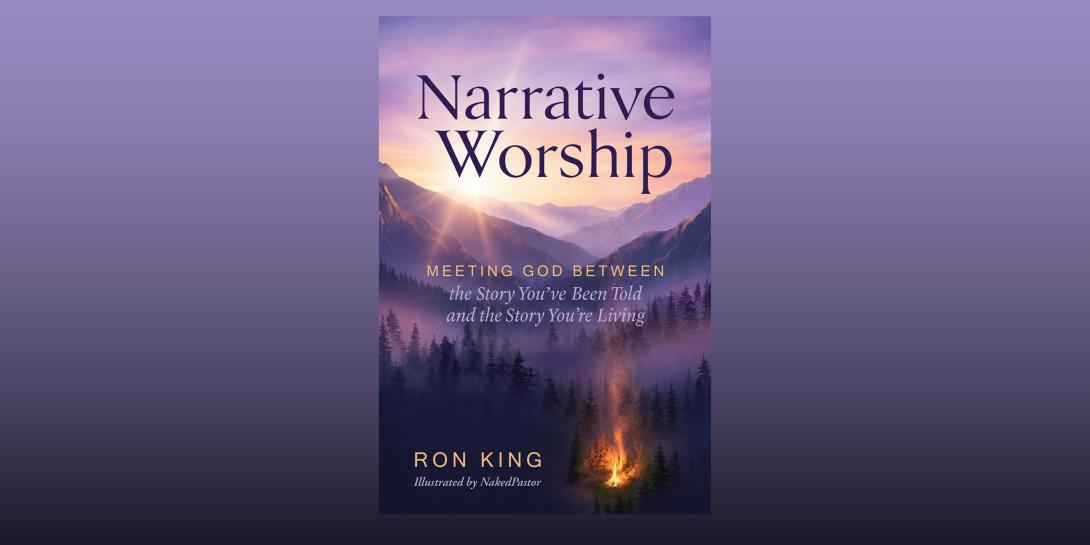
Ron King on Narrative Worship and Story Maps
Many churches, especially smaller ones, feel as if their glory days are over. But learning how to collect and tell stories in narrative worship can help them identify God’s work, wisdom, and will in their congregations and inspire them to see how God is still working in their midst and beyond church walls.
August 5, 2026
|
9 min read
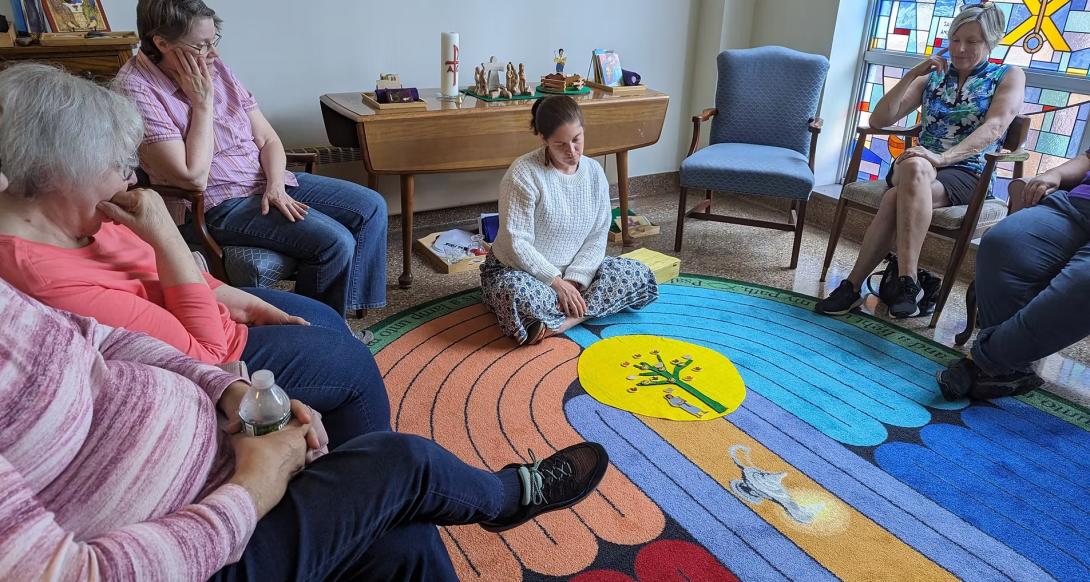
Rebecca Chaffee on Intergenerational Storytelling in Worship
Learning to give testimonies, add visuals, and enact scripture helped one small congregation build intergenerational relationships and learn to see their stories within God’s story.
August 5, 2026
|
7 min read
Ryan Turnbull on Anglican Poetics and Worship
Studying Anglican poetics helped Anglicans in Manitoba, Canada, enter more deeply into worship and liturgical life. It also helped them connect with non-Anglicans as they explored shared human experiences through metaphor, imagination, and writing poems.
June 23, 2026
|
7 min read
Peter Levenstrong on Living Stories Sermons
Imagine if people came to worship asking not “What will the preacher say?” but “What will we discover together?” Living Stories Sermons is a collaborative preaching model that brings new life to worship and helps people feel as if they belong. It involves exegesis, wondering questions, and small-group reflection, and it trusts that the Holy Spirit can speak through everyone, not just the preacher.
June 16, 2026
|
9 min read
Lamenting in Polarized Times
Eight churches in Birmingham, Alabama, took part in a worship renewal grant on using lament in worship. Three years later, leaders from some of those churches talked about how hard it is to practice lament during divided times. Their advice may help your church bring real suffering to God with honesty, protest, petition, and trust.
May 12, 2026
|
8 min read
Recovering the “Lost Art of Lament” in Worship
Worship that is faithful to the whole Bible must include lament. A worship renewal grant on making lament a normal part of worship brought together eight churches in metro Birmingham, Alabama. It yielded ideas and practices that can be adapted to any church tradition and context.
Karen Campbell on Considering Lament: Psalms of Protest, Pain and Hope
Technically, the Troubles in Northern Ireland ended in 1998. But just as trauma didn’t end after the passage of the US Civil Rights Act or the work of South Africa’s Truth and Reconciliation Commission, pain still lingers in Northern Ireland. Karen and David Campbell composed a new set of lament songs to help Christians voice protest, pain, and hope during worship.
Experiencing God’s Presence Within Our Work
Mission Chattanooga, an Anglican church in Tennessee, did a grant project that helped workers narrate their experiences in prayers and liturgy. Gathering with people from their vocational fields helped them tune their hearts to experience God in the workplace. You can use and adapt their curriculum to your context.
April 23, 2026
|
7 min read