
Using the tools of practical theology and psychohistory, this presentation highlights the psychological and spiritual profiles of key religious leaders and personalities from the 19th and 20th centuries who were especially effective in combating white supremacy, racial hatred, and a multitude of systemic injustices that continue to plague the U.S. to this very day. This presentation will demythologize their work, and the context in which they existed, in the hopes that we may better emulate practices of freedom in our own time. Honesty compels us to acknowledge that the current sociopolitical context in 2022 is highly contentious (to state it mildly). But this context is not new. Moreover, the work of freedom and the Beloved Community is not new. Ultimately, this presentation seeks to move us forward in the work of Divine righteousness and to “do good, seek justice, correct oppression; bring justice to the fatherless, [and] plead the widow’s cause.”
Recent Media Resources
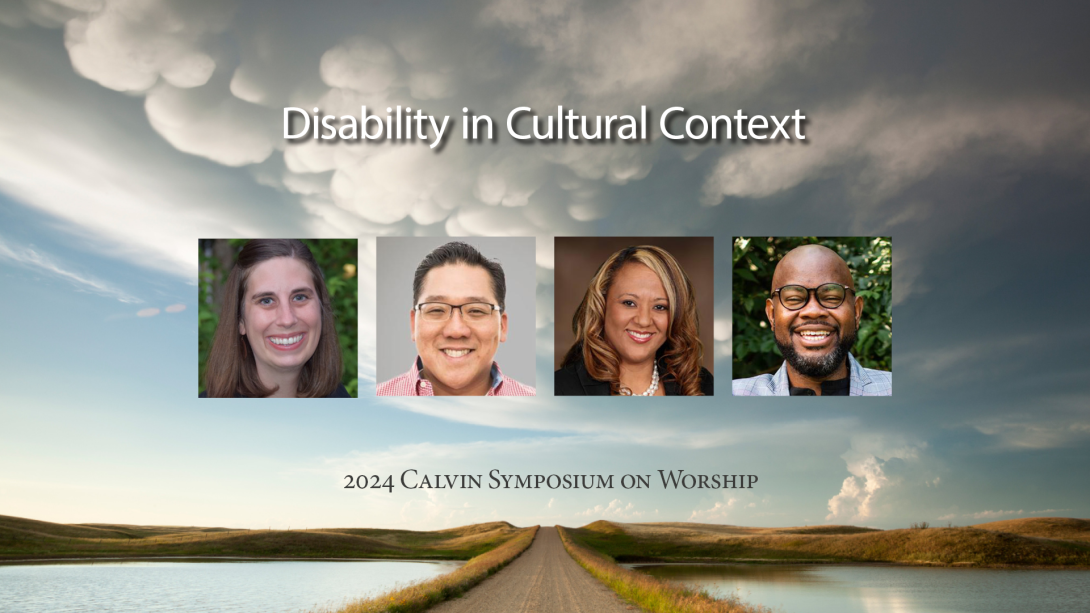
Disability in Cultural Context
This panel will explore the intersectionality between culture and disability. What can we learn from the experiences of people across varying cultures and contexts? What do experiences of racism and ableism in the church have in common? How do they overlap? How does belonging for people with disabilities look different in a variety of cultural contexts?
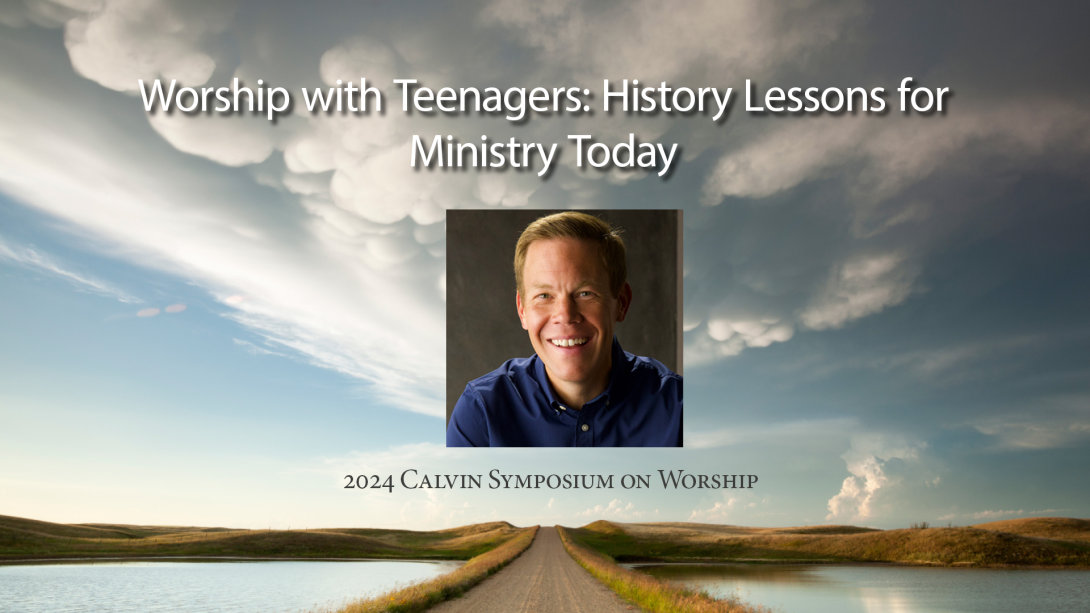
Worship with Teenagers: History Lessons for Ministry Today
Teenagers’ desire to encounter God has been realized throughout history as youth ministry has grown and evolved. Indeed, teenagers have expressed needs and desires to practice and grow their faith at church, school, and home as well as at camps and conferences or on short- and long-term mission trips. On the one hand, these worship efforts have been deeply formative. On the other hand, these worship efforts have focused on attracting and keeping teenagers as much as, if not more than, on spiritual formation. This session will identify key historical patterns in adolescent worship and examine how we might engage their wisdom for faithful worship practices with teenagers today.
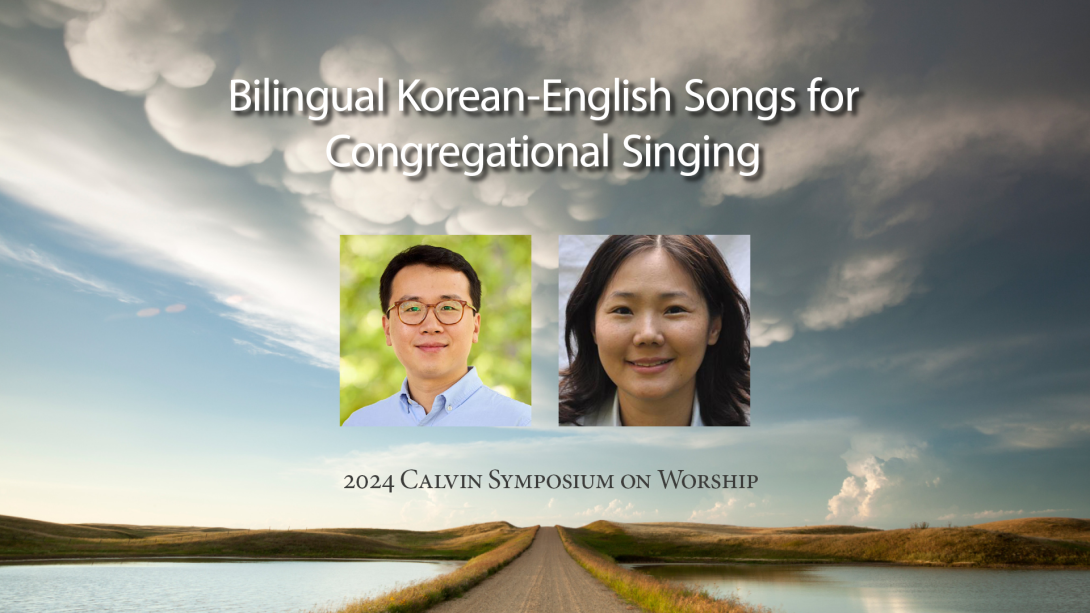
Bilingual Korean-English Songs for Congregational Singing
Songs from the people of Korea can deeply enrich your liturgy whether you have Korean-speaking members in your congregation or not. This workshop will introduce a variety of bilingual Korean-English songs that have been newly translated in the past few years as well as strategies to lead them effectively in your own worshiping context.
Disability in Cultural Context
This panel will explore the intersectionality between culture and disability. What can we learn from the experiences of people across varying cultures and contexts? What do experiences of racism and ableism in the church have in common? How do they overlap? How does belonging for people with disabilities look different in a variety of cultural contexts?
Worship with Teenagers: History Lessons for Ministry Today
Teenagers’ desire to encounter God has been realized throughout history as youth ministry has grown and evolved. Indeed, teenagers have expressed needs and desires to practice and grow their faith at church, school, and home as well as at camps and conferences or on short- and long-term mission trips. On the one hand, these worship efforts have been deeply formative. On the other hand, these worship efforts have focused on attracting and keeping teenagers as much as, if not more than, on spiritual formation. This session will identify key historical patterns in adolescent worship and examine how we might engage their wisdom for faithful worship practices with teenagers today.
Bilingual Korean-English Songs for Congregational Singing
Songs from the people of Korea can deeply enrich your liturgy whether you have Korean-speaking members in your congregation or not. This workshop will introduce a variety of bilingual Korean-English songs that have been newly translated in the past few years as well as strategies to lead them effectively in your own worshiping context.
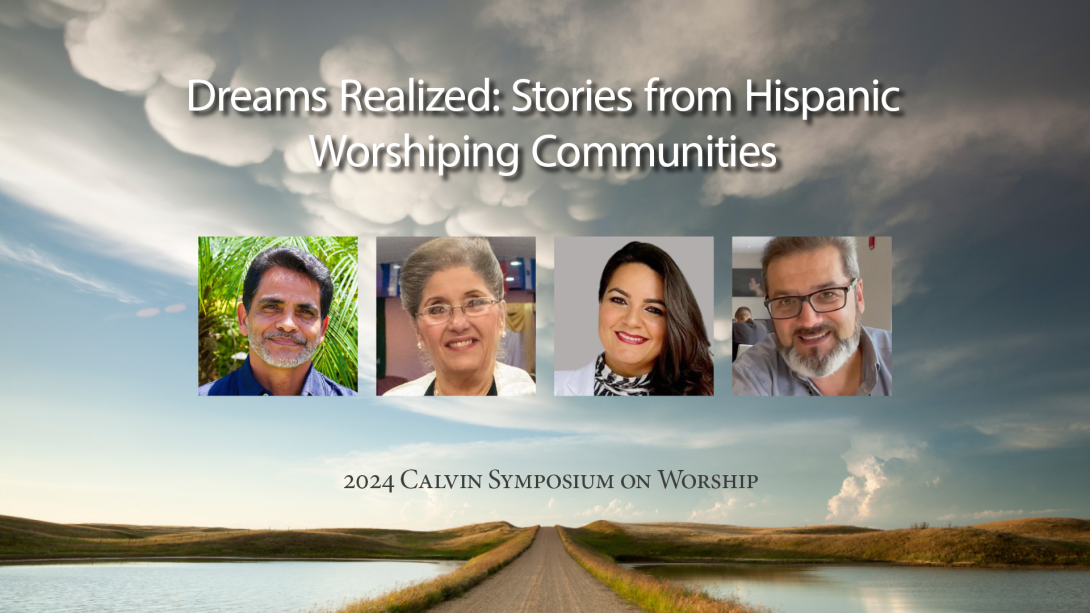
Dreams Realized: Stories from Hispanic Worshiping Communities
In this panel, Hispanic pastors share the learnings and experiences lived by their congregations after completing projects related to the development of their understanding and practices about worship. Together, they represent a variety of Hispanic denominations as well as of "dreams" they were able to realize (learning about the Creeds, bilingual worship, multigenerational worship, worship in non-traditional settings). Their congregations were part of the first cohort of Hispanic congregations receiving "worship grants" under a new initiative CICW launched in July of 2022.