While both friend and foe of John Calvin have regarded him as an enemy of the physical body, a pessimist about the material creation, and a negative influence on the liturgical arts, that would tell only half the story—and be far from the more interesting story. This seminar explored ways in which Calvin, standing at the headwaters of the Reformed tradition, represents a rich resource for the arts in worship, even if not in the ways one might initially suppose. More specifically, Calvin’s theology of creation opens up a trinitarian grammar by which we might understand the theological purposes of music, painting, architecture, poetry, and other media of art in corporate worship.
Summary
Listen Online
Details
Recent Media Resources
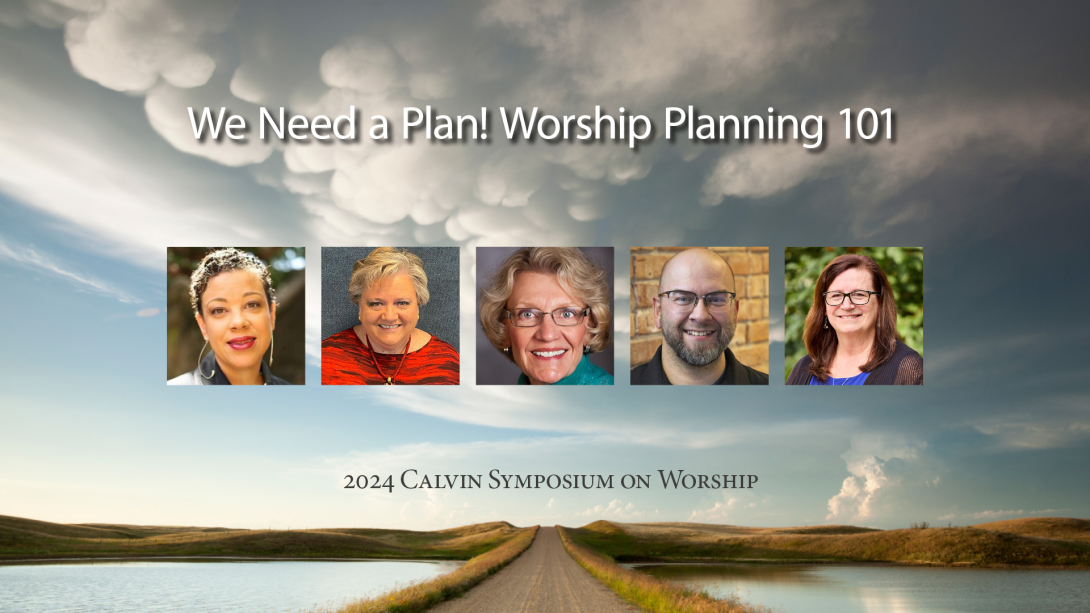
We Need a Plan! Worship Planning 101
What basic models for worship planning are out there, and which patterns will work best in your context? Join a lively discussion of several worship planning models by the authors and pastors who use them. Bring your questions and suggestions as we learn together.
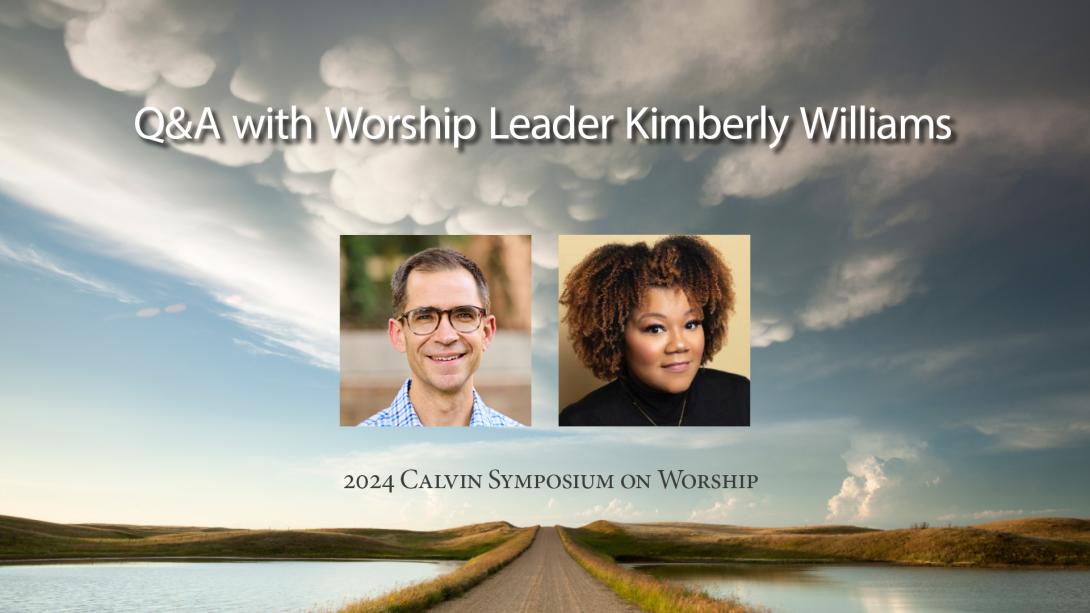
Q&A with Worship Leader Kimberly Williams
Join us after the University worship service (chapel) for a conversation with worship leader Kimberly Williams. We will explore topics related to worship leading and planning for diverse congregations, leading teams, songwriting and recording, and mentoring women in ministry.
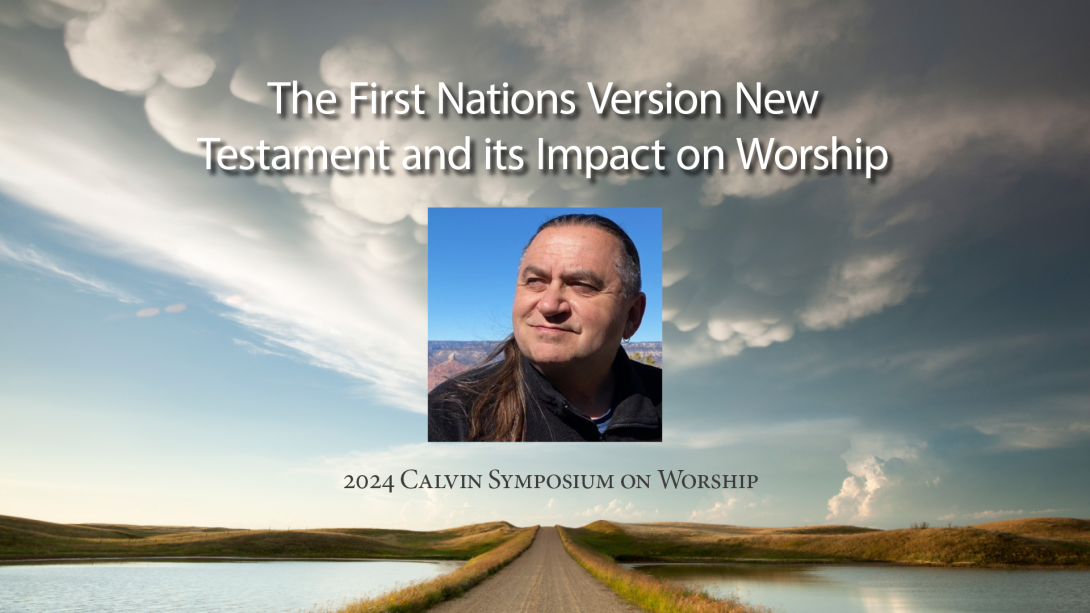
The First Nations Version New Testament and its Impact on Worship
In this session Terry Wildman will share the vision, process, and outcomes of the First Nations Version (FNV) New Testament. Why was this translation needed? Who was involved in the translation? What were some of the cultural challenges faced by the translation council? What does it say about the translations done in Native languages in the past? How did the translation council decide on more than 185 key words and terms? What are some of the unique qualities of the FNV versus other English versions? How has the FNV affected the worship expressions of some Native believers? What is the future of the FNV?
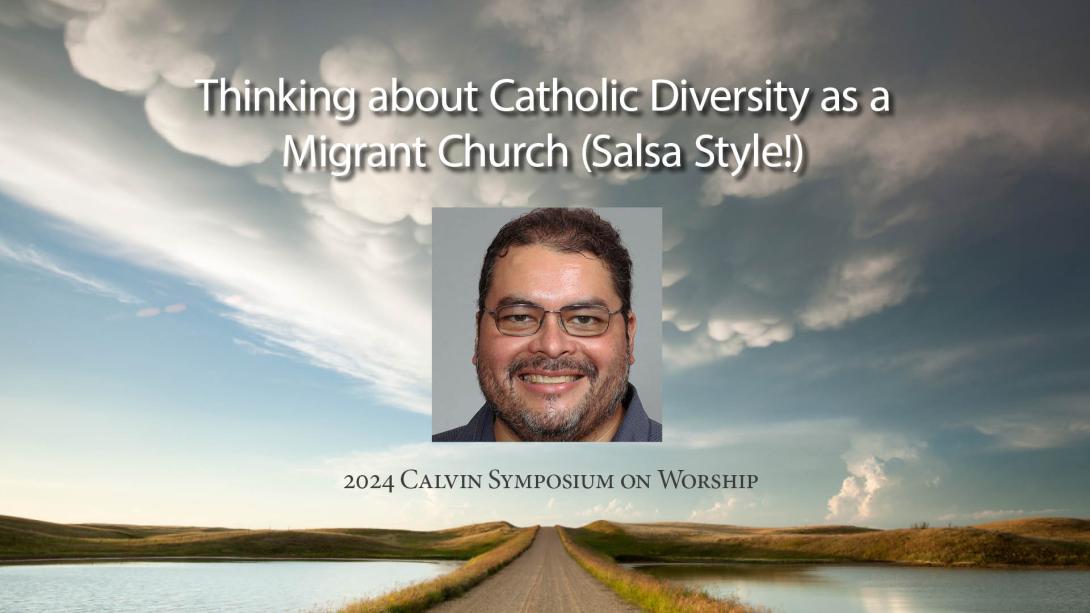
Thinking about Catholic Diversity as a Migrant Church (Salsa Style!)
How does one think about diversity as a Christian or as the church? How might working with and among—or even just thinking about—migrant neighbors contribute to our ecclesial identity? The language of catholicity allows us to imagine the unity of the church not in a monocultural way, but rather as a community inclusive of people of all languages and ethnicities. Migration and migrants today especially remind the church of its own catholic identity. How does the church's identity as a migrant church foster a healthy catholicity in the church's worship? This session will include the use of salsa music to invite participation in a more catholic way of life, asking what multicultural, cross cultural, and intercultural ways of being a church on the move might look like in worship.