Apply for the Vital Worship, Vital Preaching Grants Program to support and enhance Christian worship practices. We encourage proposals on universal design, cultural engagement, preaching, baptism, the Lord’s Supper, and more. Two grant streams are available.
Join us for our Symposium on Worship and Summer Seminars. Engage in inspiring sessions, workshops, and intensive seminars to deepen your understanding and practice of Christian worship.
Developed in partnership with the Calvin Institute of Christian Worship and the Calvin University School of Graduate and Continuing Studies, this online course equips worship planners and leaders of all types of ministries with practical tools for relating well to people from a variety of cultures. Understanding and respecting cultural differences is key to a healthy ministry.
The Calvin Institute of Christian Worship at Calvin University advances Christian worship through resources, events, and grants. Since 1997, we have partnered with congregations and organizations to fulfill our mission.
Carlos Colón demonstrates and talks about three songs of blessing, as part of the series "Songs from the hymnal / Cantos del himnario Santo, Santo, Santo / Holy, Holy, Holy.'"
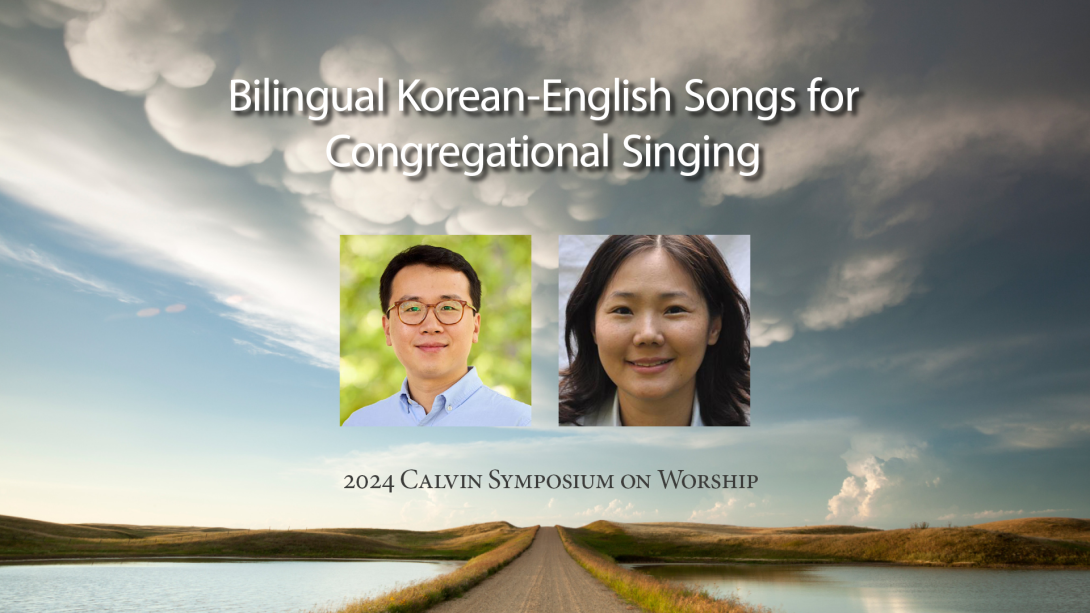
Bilingual Korean-English Songs for Congregational Singing
Songs from the people of Korea can deeply enrich your liturgy whether you have Korean-speaking members in your congregation or not. This workshop will introduce a variety of bilingual Korean-English songs that have been newly translated in the past few years as well as strategies to lead them effectively in your own worshiping context.
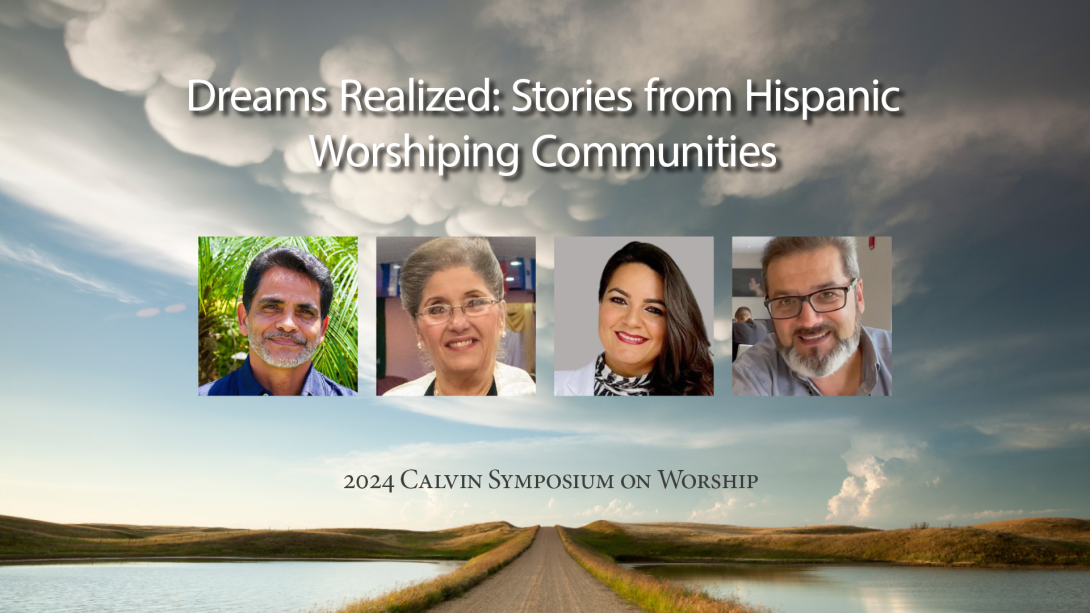
Dreams Realized: Stories from Hispanic Worshiping Communities
In this panel, Hispanic pastors share the learnings and experiences lived by their congregations after completing projects related to the development of their understanding and practices about worship. Together, they represent a variety of Hispanic denominations as well as of "dreams" they were able to realize (learning about the Creeds, bilingual worship, multigenerational worship, worship in non-traditional settings). Their congregations were part of the first cohort of Hispanic congregations receiving "worship grants" under a new initiative CICW launched in July of 2022.
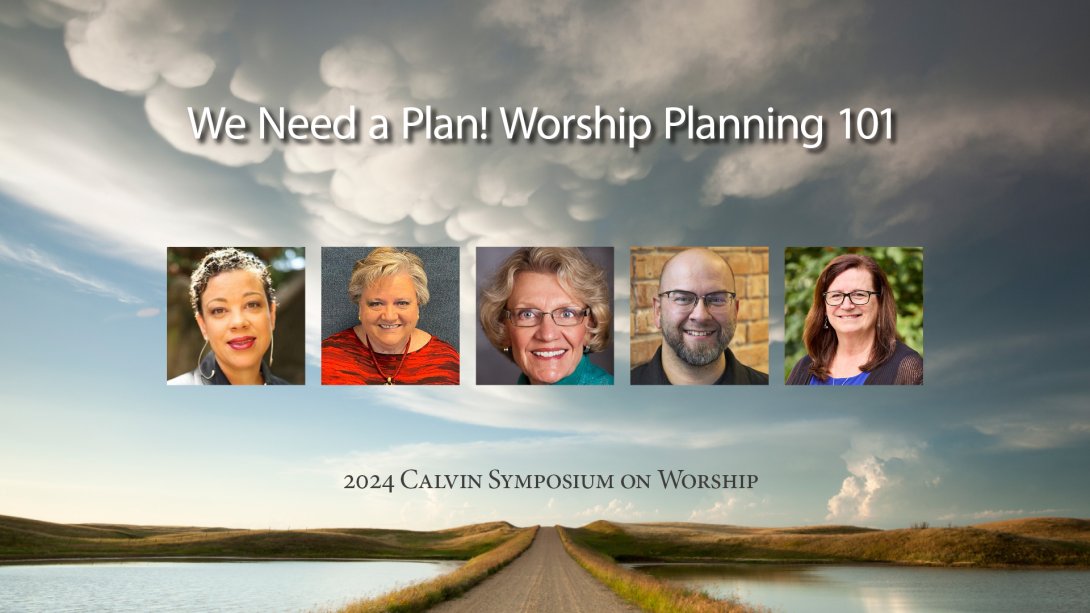
What basic models for worship planning are out there, and which patterns will work best in your context? Join a lively discussion of several worship planning models by the authors and pastors who use them. Bring your questions and suggestions as we learn together.
Bilingual Korean-English Songs for Congregational Singing
Songs from the people of Korea can deeply enrich your liturgy whether you have Korean-speaking members in your congregation or not. This workshop will introduce a variety of bilingual Korean-English songs that have been newly translated in the past few years as well as strategies to lead them effectively in your own worshiping context.
Dreams Realized: Stories from Hispanic Worshiping Communities
In this panel, Hispanic pastors share the learnings and experiences lived by their congregations after completing projects related to the development of their understanding and practices about worship. Together, they represent a variety of Hispanic denominations as well as of "dreams" they were able to realize (learning about the Creeds, bilingual worship, multigenerational worship, worship in non-traditional settings). Their congregations were part of the first cohort of Hispanic congregations receiving "worship grants" under a new initiative CICW launched in July of 2022.
What basic models for worship planning are out there, and which patterns will work best in your context? Join a lively discussion of several worship planning models by the authors and pastors who use them. Bring your questions and suggestions as we learn together.
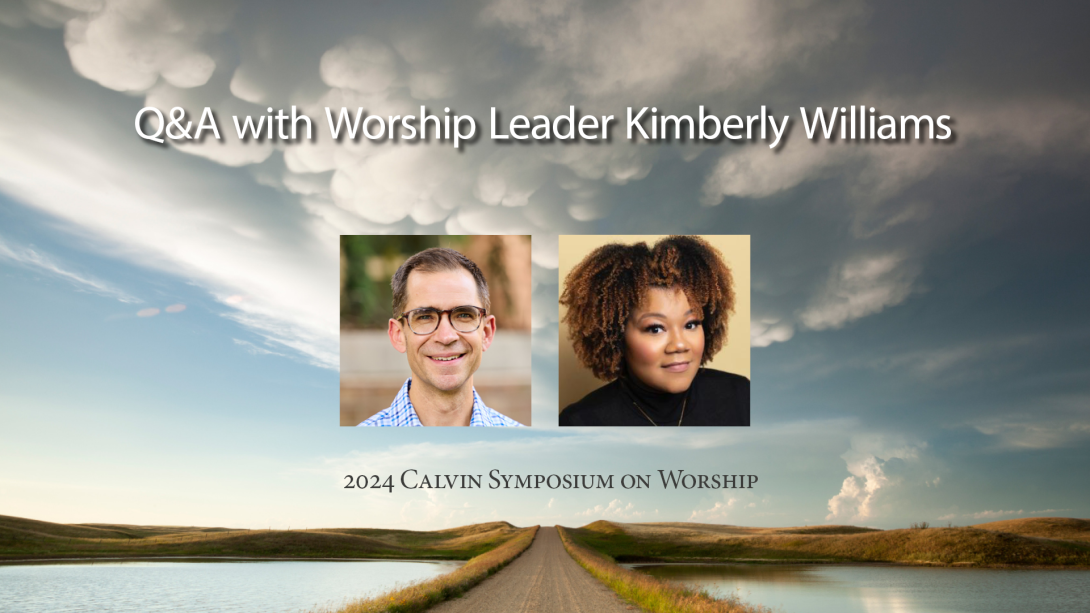
Join us after the University worship service (chapel) for a conversation with worship leader Kimberly Williams. We will explore topics related to worship leading and planning for diverse congregations, leading teams, songwriting and recording, and mentoring women in ministry.