Psalms We Love to Sing
Modern song writers are continually setting the psalms to new music for band-led worship contexts. Join Paul Ryan, Nate Glasper, and the Calvin University Worship Apprentices to sing contemporary psalm settings sung in public worship at Calvin.
August 7, 2026
|
85 min video
My Soul Speaks Out to the Living God
Join this excursion through compositional method, use of text, melodic creation, vocal range, and inner insights. The session includes the presentation of new psalm settings by Rawn Harbor.
August 7, 2026
|
90 min video
My Own Beloved Psalm: A History of the Interpretation of Psalm 118
Martin Luther frequently called Psalm 118 as his “own beloved psalm,” describing it as a “friend who helped [him] out of many troubles.” This session provides a history of the interpretation of this beloved psalm by looking at the readings of Ambrose, Augustine, Theodoret of Cyrus, Cassiodorus, Luther, and Calvin.
August 7, 2026
|
77 min video
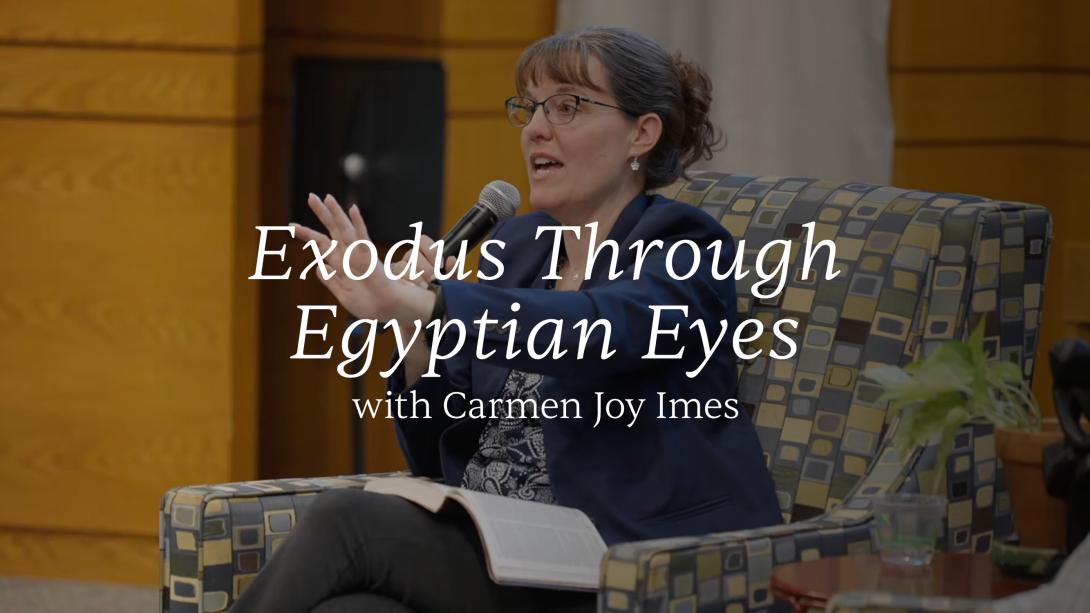
Exodus Through Egyptian Eyes
Carmen Imes has spent the past fifteen years immersed in the book of Exodus, writing about it for both her master’s thesis and her doctoral dissertation. In this lecture, Imes will share some of the most paradigm-shifting insights she’s had while reading Exodus through an Egyptian lens.
August 4, 2026
|
82 min video