Summary

Presentation, dialogue, and discussion on the biblical text by Graves, Hoezee, and Wilson.

Listen Online

Details

For centuries preachers were told that exposition of the biblical text is the most important and sacred task of preaching. In recent decades the emphasis has shifted more toward storytelling. "Show, Don't Tell" is a well-known adage to anyone who aspires to be a creative writer. "Showing" a concrete story or image always packs more vivid emotional punch—and is for that reason much more memorable—than the "telling" of information could ever achieve. Human beings are, after all, "narrative animals" who frame most everything that happens to them in terms of story. But what about a sermon’s impact beyond the emotional? What about the biblical illiteracy rampant among church-goers, as well as those who stay home on Sundays? Can storytelling help with those issues? Scott Hoezee and Mike Graves think there is much preachers can learn from stories, but maybe there are some limitations too. What is the most important word in preaching these days: Story or Exposition?

In this seminar, Graves and Hoezee present some compatible and contrasting ideas from their recent books, including some hands-on exercises to demonstrate what this approach looks like in action. The time also provides ample opportunity for dialogue and conversation.


Recent Media Resources

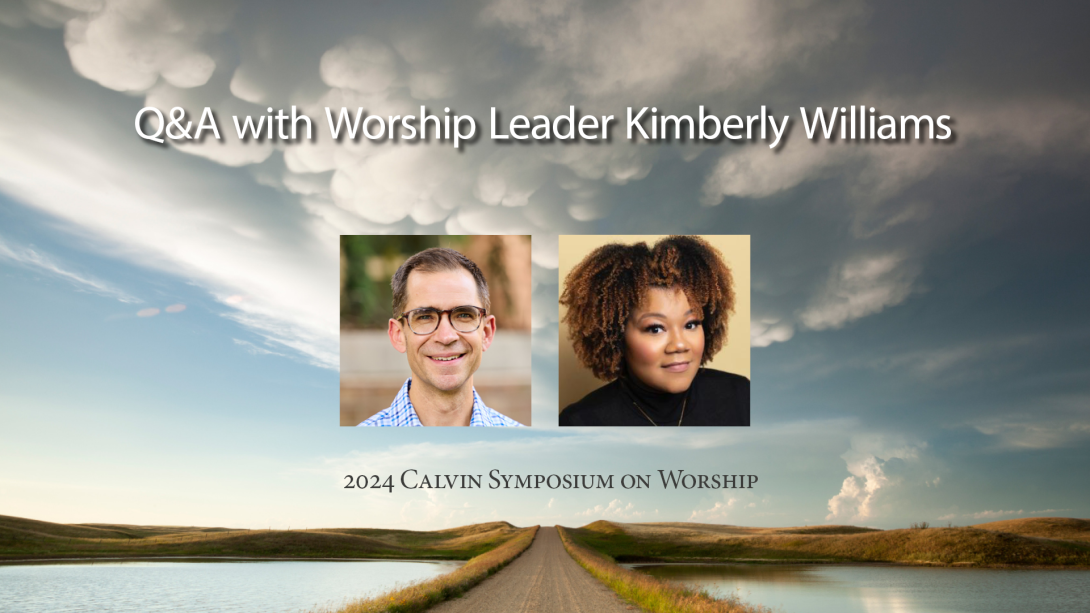
Q&A with Worship Leader Kimberly Williams

Join us after the University worship service (chapel) for a conversation with worship leader Kimberly Williams. We will explore topics related to worship leading and planning for diverse congregations, leading teams, songwriting and recording, and mentoring women in ministry.   

September 14, 2026 | 68 min video
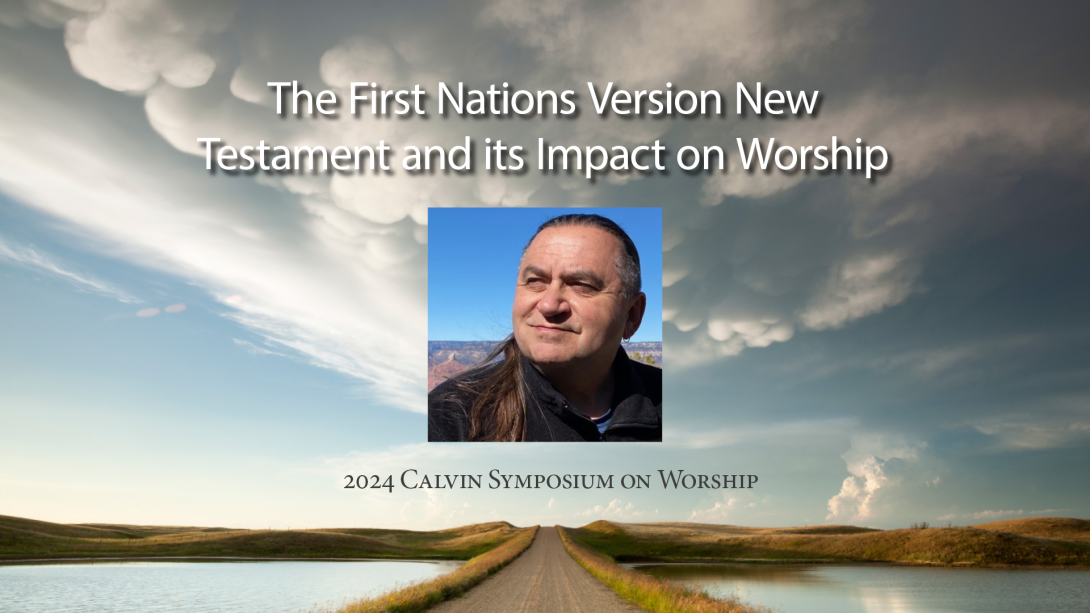
The First Nations Version New Testament and its Impact on Worship

In this session Terry Wildman will share the vision, process, and outcomes of the First Nations Version (FNV) New Testament. Why was this translation needed? Who was involved in the translation? What were some of the cultural challenges faced by the translation council? What does it say about the translations done in Native languages in the past? How did the translation council decide on more than 185 key words and terms? What are some of the unique qualities of the FNV versus other English versions? How has the FNV affected the worship expressions of some Native believers? What is the future of the FNV? 

September 14, 2026 | 73 min video
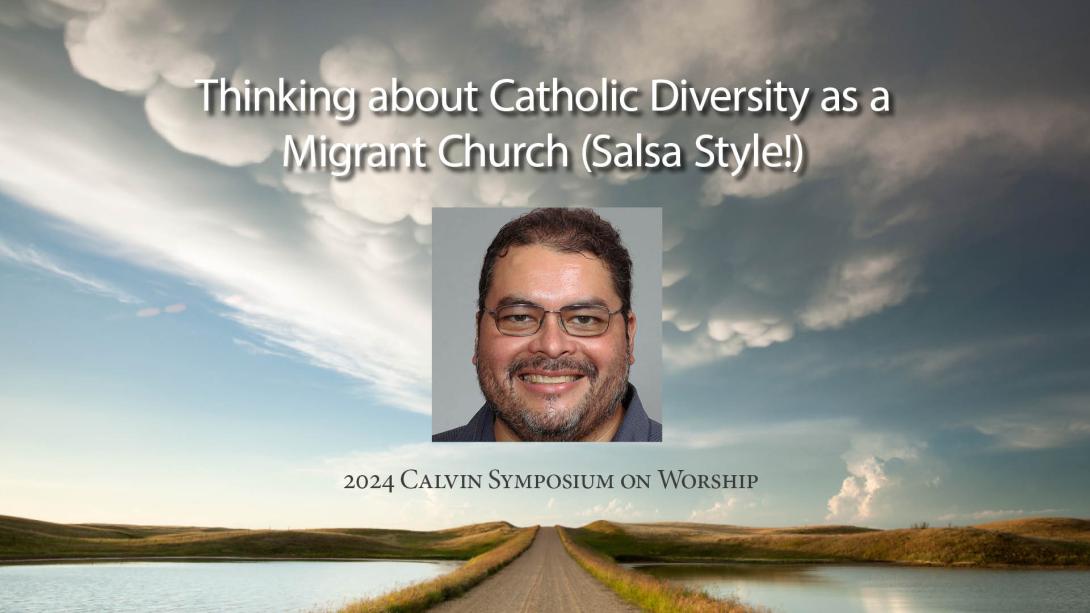
Thinking about Catholic Diversity as a Migrant Church (Salsa Style!)

How does one think about diversity as a Christian or as the church? How might working with and among—or even just thinking about—migrant neighbors contribute to our ecclesial identity? The language of catholicity allows us to imagine the unity of the church not in a monocultural way, but rather as a community inclusive of people of all languages and ethnicities. Migration and migrants today especially remind the church of its own catholic identity. How does the church's identity as a migrant church foster a healthy catholicity in the church's worship? This session will include the use of salsa music to invite participation in a more catholic way of life, asking what multicultural, cross cultural, and intercultural ways of being a church on the move might look like in worship. 

September 14, 2026 | 79 min video