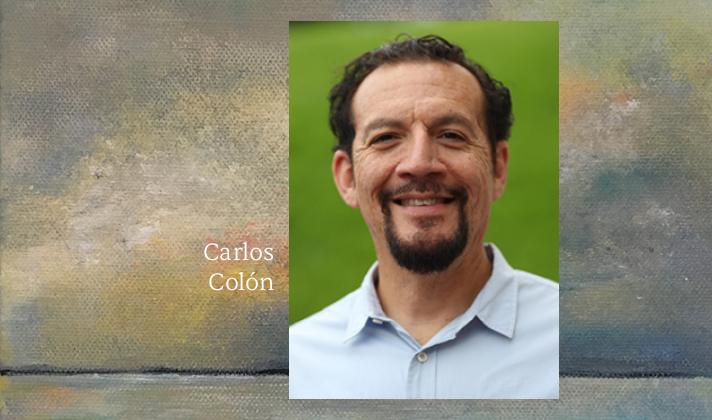
3 Songs of Lament and Hope / 3 Cantos de lamento y esperanza
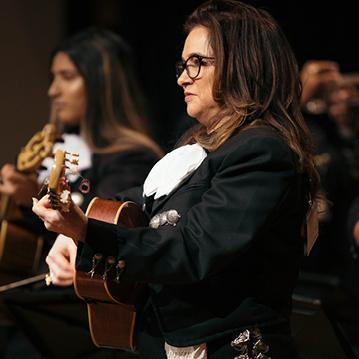
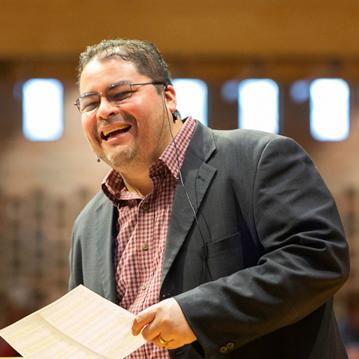
Carlos Colón demonstrates and talks about three songs of lament and hope, as part of the series "Songs from the hymnal / Cantos del himnario 'Santo, Santo, Santo / Holy, Holy, Holy.'"
April 6, 2020
|
1 min video
Shaping Worship During the COVID-19 Pandemic: Multicultural Community at Proskuneo Ministries, Clarkston, Georgia
In this edited conversation, Jaewoo "Jay" Kim says that Proskuneo Ministries "deeply holds to theological convictions and practices of embodied worship." Stay-at-home pandemic orders have upended their typical worship gatherings, but virtual worship doesn't fit who they are as a multicultural worshiping community.
April 1, 2020
|
5 min read
Church Polity and Online Sacraments in the Christian Reformed Church
Kathy Smith, Adjunct Professor of Church Polity at Calvin Theological Seminary, reflects on the administration of sacraments in the unique context of the COVID-19 pandemic crisis. She advises Christian Reformed churches to practice pastoral flexibility while still abiding by church polity, and provides a historical example from World War II, related by her predecessor Henry De Moor.
March 27, 2020
|
4 min read
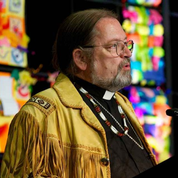
Mark L. MacDonald on Gospel-Based Discipleship and Indigenous Christians
Archbishop Mark L. MacDonald speaks and writes about gospel inculturation in Indigenous ministries, especially among First Nations Anglicans in Canada. Churches everywhere can learn from the Indigenous Gospel-Based Discipleship model for worship, governance, and community life.
March 24, 2020
|
5 min read
Pandemics and Public Worship Throughout History
As the pandemic COVID-19 brings isolation and unprecedented challenges to congregations around the world, it can be of great comfort to reflect and learn about how Christian churches have responded to epidemics and pandemics throughout history.
March 23, 2020
|
9 min read
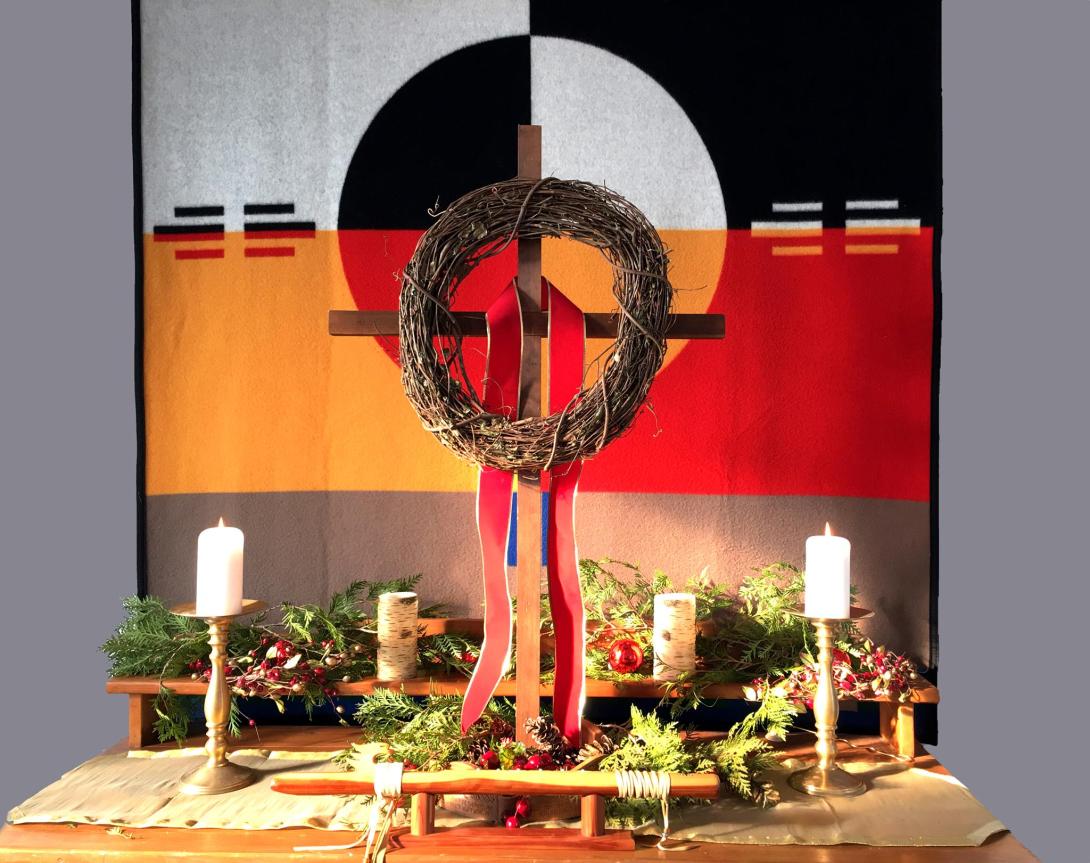
Indigenous Christian Worship Resources: Where to Start
Many congregations are beginning to realize that they live, work, and worship on land taken from Indigenous people. Learning about First Nations and Native American Christians can help worshipers from other cultures see the gospel with new eyes.
March 19, 2020
|
11 min read
Walking By Faith / Caminamos por fe
2020 Symposium on Worship | Vesper
March 12, 2020
|
55 min video
Women in Ministry and Leadership
2020 Calvin Symposium on Worship | Workshop
March 4, 2020
|
61 min video
Challenges of Women in Ministry
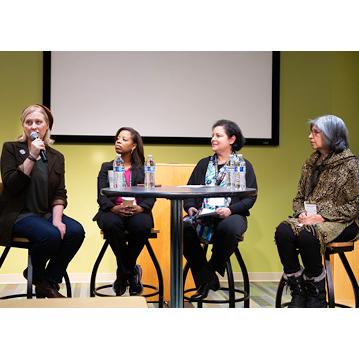
Symposium on Worship 2020 hosted a global panel of women ministry leaders from Australia, the Middle East, and North and South America.
February 25, 2020
|
4 min read
LaTonya McIver Penny on Worship with Differently Abled People
Churches decide to include people with disabilities when they realize God sees us all as equals and all as differently abled. LaTonya McIver Penny advocates for inclusive worship, especially in African American congregations.
February 25, 2020
|
8 min read
Predicando en el Espíritu desde Galilea: Una aproximación hispana a la Predicación
2020 Calvin Symposium on Worship | Workshop
February 10, 2020
|
62 min listen
Service of the Word & Table: Suffering for Living the Good
2020 Symposium on Worship | Service
February 4, 2020
|
70 min video