Apply for the Vital Worship, Vital Preaching Grants Program to support and enhance Christian worship practices. We encourage proposals on universal design, cultural engagement, preaching, baptism, the Lord’s Supper, and more. Two grant streams are available.
Join us for our Symposium on Worship and Summer Seminars. Engage in inspiring sessions, workshops, and intensive seminars to deepen your understanding and practice of Christian worship.
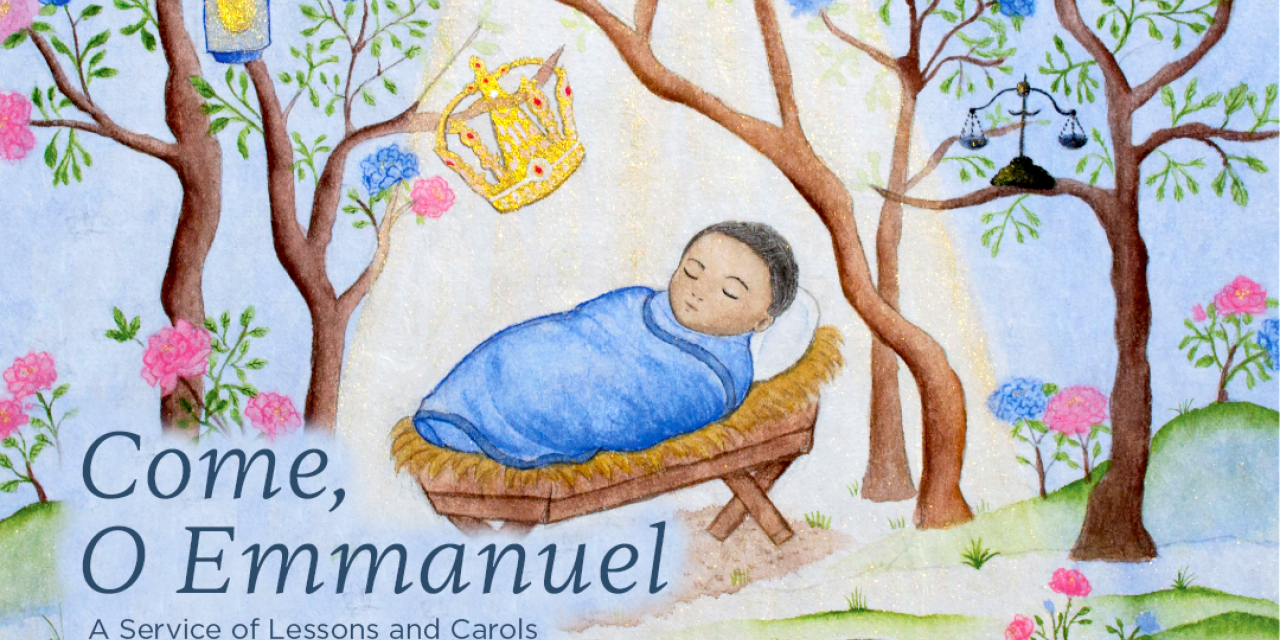
Since at least the eighth century, Christians have prepared to celebrate the birth of Christ by singing the O Antiphons. These seven songs, or antiphons, function as prayers asking for the Savior to come soon. Each employs a different name for the Messiah found in the Old Testament. In modern times, the O Antiphons are most commonly sung as the seven verses of the Advent hymn “O Come, O Come Emmanuel.”
The Calvin Institute of Christian Worship at Calvin University advances Christian worship through resources, events, and grants. Since 1997, we have partnered with congregations and organizations to fulfill our mission.
How does worship relate to culture? How is worship in culture, but not of it? This video and accompanying Nairobi Statement on Worship and Culture explore four central principles for an open and discerning approach to culture.
How does worship relate to culture? How is worship in culture, but not of it? The Lutheran World Federation's Study Team on Worship and Culture met in Nairobi in January of 1996 and produced the Nairobi Statement on Worship and Culture. The statement presents four central principles of the relationship between worship and culture:
1) Worship is transcultural (Worship has certain dynamics that are beyond culture).
2) Worship is contextual (Worship reflects local patterns of speech, dress, and other cultural characteristics).
3) Worship is counter-cultural (Worship resists the idolatries of a given culture).
4) Worship is cross-cultural (Worship reflects the fact that the body of Christ transcends time and space).
We have found that the most meaningful worship - and the wisest worshiping community - does not just choose one of these four as its defining principle, but instead is invigorated by the truth of all four.
Note how this statement nuances the model of being "in but not of" culture, and calls us to a more sophisticated understanding of worship's relationship to culture.
The complete text of the Nairobi Statement is posted at the Lutheran World Federation website. It was also published in Christian Worship: Unity in Cultural Diversity, ed. S. Anita Stauffer (Geneva: Lutheran World Federation, 1996).
We encourage worshipers and worship leaders to reflect on it as they consider the context and challenges of their culture, and answer God's call to worship within it and minister to it.
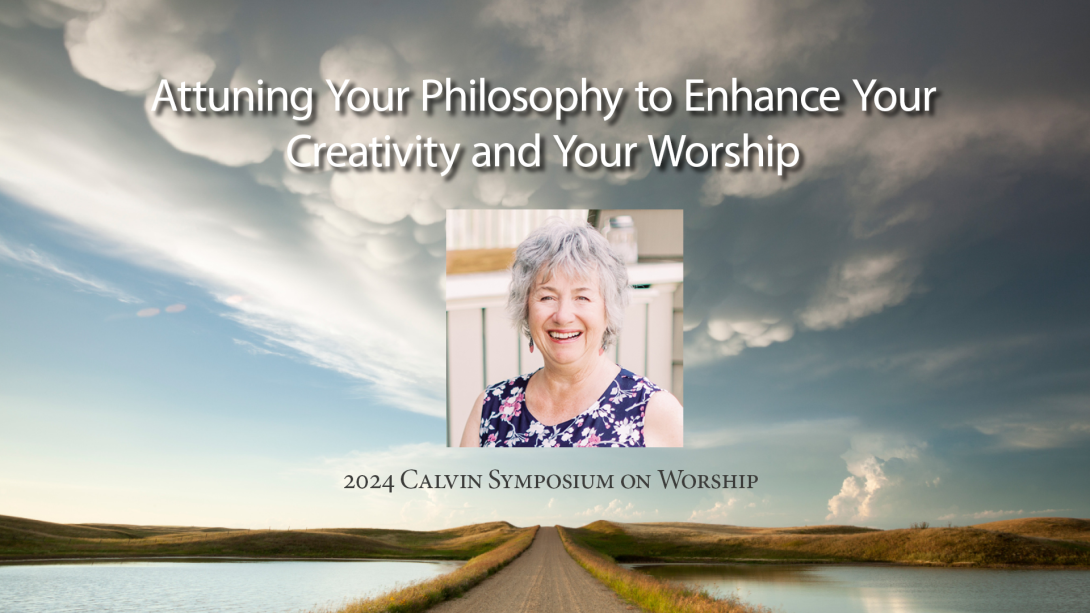
Attuning Your Philosophy to Enhance Your Creativity and Your Worship
As inhabitants of the modern age, we are deeply marked by skewed ways of thinking that thwart our humanness, our involvement with the world, and our spirituality. This is a philosophical tune-up that directly challenges and dispels modernity’s implicit philosophy. My philosophical proposals in my 2023 book Doorway to Artistry target the creative process, but they positively affect and bring healing to all arenas of life and work and worship. I pose that we as human persons are meant to live out a joyous “yes” to the real, and our involvement with the real takes the form of intimate encounter and communion. My approach reflects especially on God’s creative act and God’s created things. It taps epiphany, the redemptive encounter, and the Eucharist as paradigms for our knowing, our artistry, and all our everyday involvement with the world, so it should make us better at our stewardly dominion and voicing creation’s praise in worship.
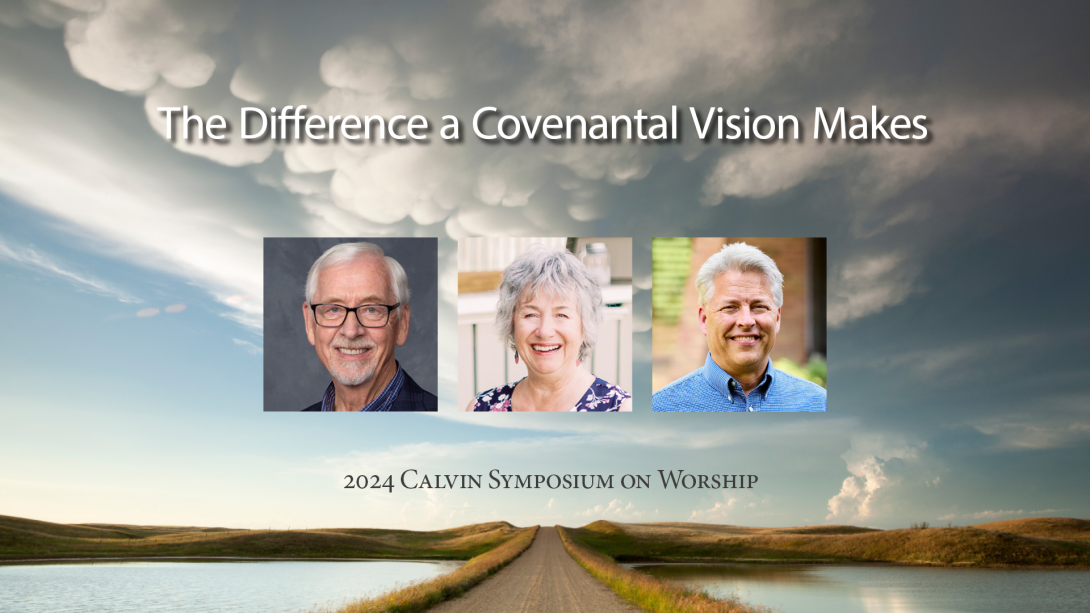
Explore the compelling beauty of the Bible's covenantal vision of the divine-human relationship and the transformative difference this makes for how we worship the triune God. This session will feature insights from the authors of two influential books: Esther Lightcap Meek's Loving to Know: A Covenantal Epistemology and Daniel Block's Covenant: The Framework of God's Grand Plan of Redemption.
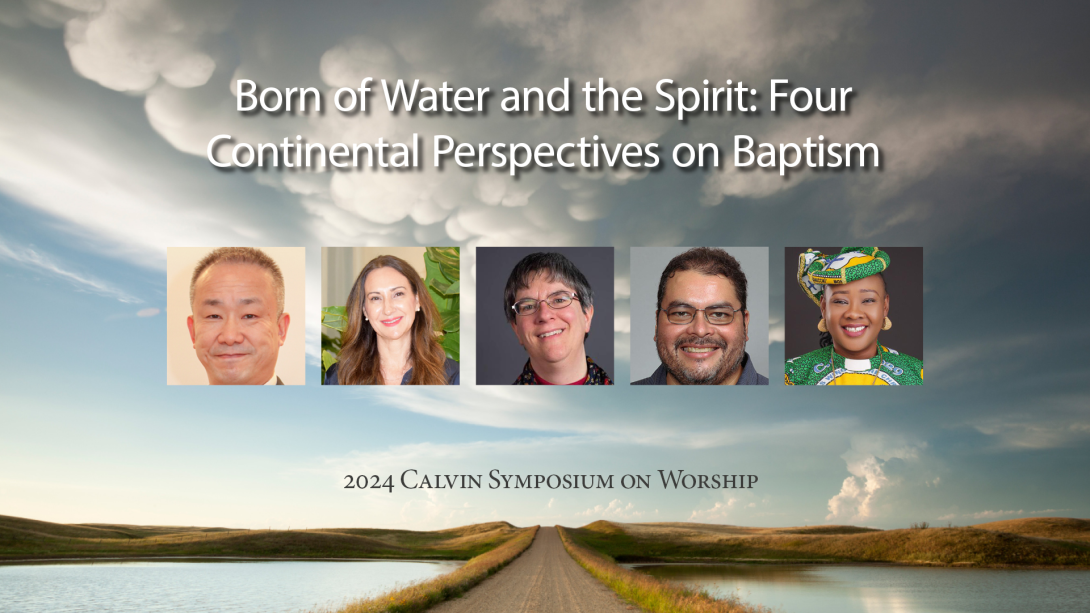
Born of Water and the Spirit: Four Continental Perspectives on Baptism
While Christian baptism is predominantly a transcultural practice, distinct faith communities worldwide experience this initiation rite through unique contextualizing elements. Join us in a fascinating conversation with Christian leaders from five continents about the rich cultural diversity reflected in baptismal liturgies, imagery, and practices, and how they shape Christian life in their contexts.
Attuning Your Philosophy to Enhance Your Creativity and Your Worship
As inhabitants of the modern age, we are deeply marked by skewed ways of thinking that thwart our humanness, our involvement with the world, and our spirituality. This is a philosophical tune-up that directly challenges and dispels modernity’s implicit philosophy. My philosophical proposals in my 2023 book Doorway to Artistry target the creative process, but they positively affect and bring healing to all arenas of life and work and worship. I pose that we as human persons are meant to live out a joyous “yes” to the real, and our involvement with the real takes the form of intimate encounter and communion. My approach reflects especially on God’s creative act and God’s created things. It taps epiphany, the redemptive encounter, and the Eucharist as paradigms for our knowing, our artistry, and all our everyday involvement with the world, so it should make us better at our stewardly dominion and voicing creation’s praise in worship.
Explore the compelling beauty of the Bible's covenantal vision of the divine-human relationship and the transformative difference this makes for how we worship the triune God. This session will feature insights from the authors of two influential books: Esther Lightcap Meek's Loving to Know: A Covenantal Epistemology and Daniel Block's Covenant: The Framework of God's Grand Plan of Redemption.
Born of Water and the Spirit: Four Continental Perspectives on Baptism
While Christian baptism is predominantly a transcultural practice, distinct faith communities worldwide experience this initiation rite through unique contextualizing elements. Join us in a fascinating conversation with Christian leaders from five continents about the rich cultural diversity reflected in baptismal liturgies, imagery, and practices, and how they shape Christian life in their contexts.
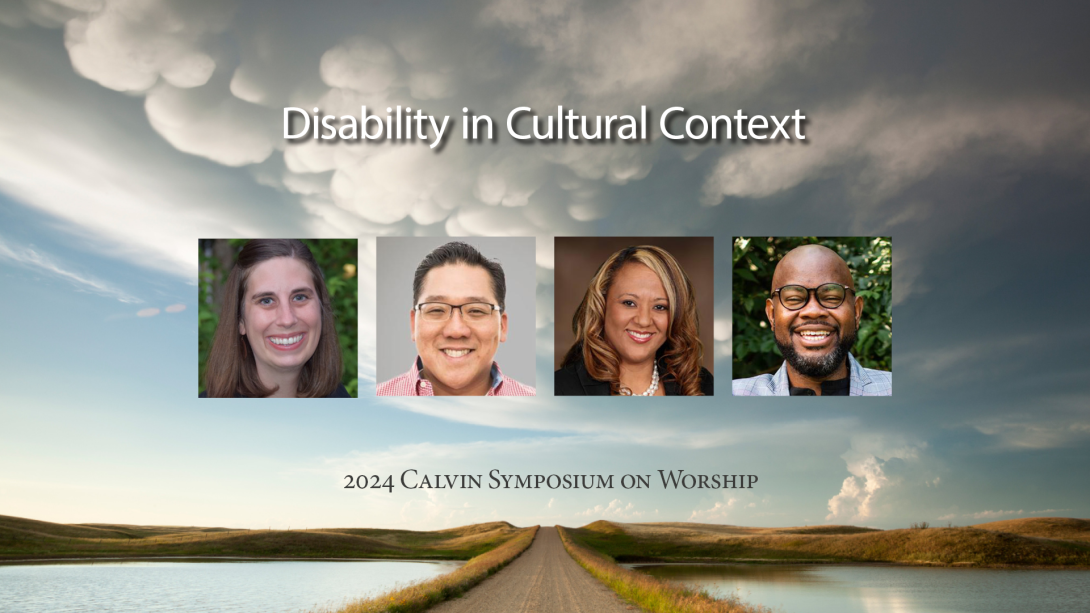
This panel will explore the intersectionality between culture and disability. What can we learn from the experiences of people across varying cultures and contexts? What do experiences of racism and ableism in the church have in common? How do they overlap? How does belonging for people with disabilities look different in a variety of cultural contexts?